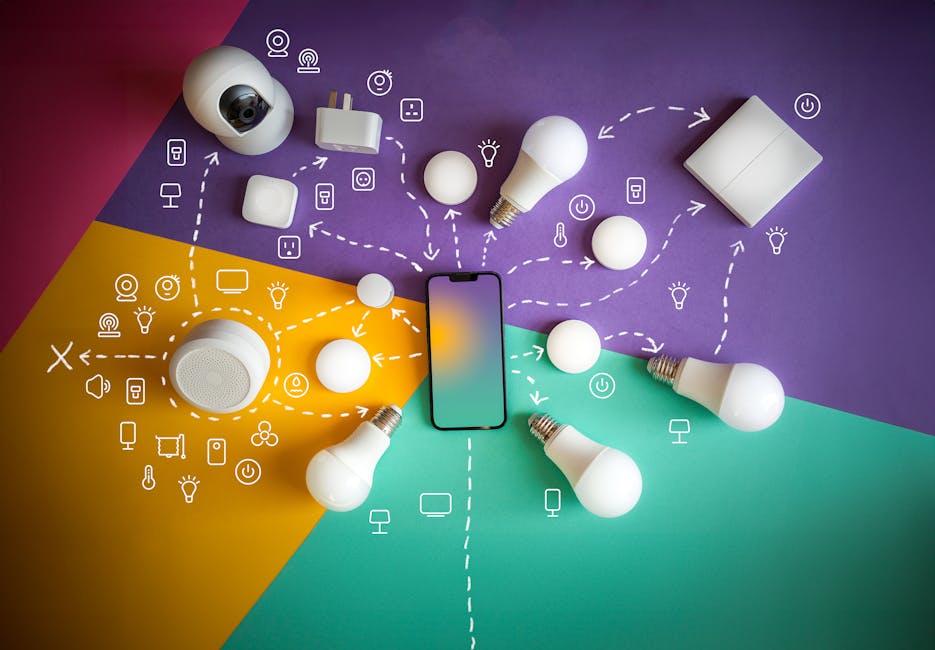
The notion that our data becomes the product, while initially abstract, takes on a chilling reality when we examine the tangible consequences of its relentless collection and deployment. It’s not just about seeing more targeted ads; it's about the erosion of trust, the potential for manipulation, and the very real impact on our lives beyond the digital realm. The mechanisms of data collection we discussed earlier – cookies, pixels, device fingerprinting, and the vast networks of data brokers – all feed into a system designed to create an incredibly detailed, predictive model of who you are. This model, your digital twin, is then utilized in ways that are often opaque, sometimes beneficial, but increasingly, carry significant hidden costs that affect our privacy, our financial well-being, and even our societal standing.
Consider for a moment the sheer volume of information that can be gleaned from your online activities. Your search history can reveal your health concerns, your financial anxieties, your political leanings, and your deepest curiosities. Your social media interactions betray your relationships, your emotional states, and your daily routines. Your location data paints a vivid picture of where you live, work, worship, and socialize. When all these disparate pieces are stitched together, they form a tapestry of your life that is remarkably accurate and deeply personal. This holistic view is what makes your data so incredibly valuable – it’s not just individual facts, but the interconnectedness of those facts that allows for powerful inferences and predictions about your future behavior.
The monetization of this comprehensive digital identity is multifaceted. Companies don’t just sell raw data; they sell insights, access to audiences, and predictive models. They sell the ability to influence your decisions, to nudge you towards certain products, services, or even political ideologies. This commercialization of personal information transforms individuals from autonomous citizens into predictable data points, stripping away layers of privacy and agency in the process. The hidden costs, therefore, are not merely financial; they are deeply personal, impacting our sense of self, our ability to control our narratives, and our fundamental right to be left alone. It's a profound shift in the relationship between individuals and the powerful entities that mediate our digital lives.
The Data Black Market When Your Identity Becomes a Target
While legitimate (though often ethically dubious) data brokers operate in the open, albeit in the shadows of public awareness, there’s a far more dangerous facet to the commoditization of your data: the data black market. This clandestine underworld thrives on stolen personal information, turning your identity into a prime target for cybercriminals. Every data breach, every compromised server, every insecure database contributes to this illicit economy, flooding dark web forums and marketplaces with credentials, financial details, and sensitive personal identifiers. The hidden cost here isn't just a loss of privacy; it's the very real threat of identity theft, financial fraud, and reputational damage that can take years, if not a lifetime, to mitigate.
The scale of data breaches is staggering and continues to grow year after year. From massive corporations like Yahoo and Equifax to smaller, less secure online services, millions, sometimes billions, of user records are exposed annually. These breaches often contain a treasure trove of information: full names, email addresses, passwords (often hashed, but sometimes plaintext), phone numbers, physical addresses, dates of birth, and even social security numbers or credit card details. Once this data falls into the wrong hands, it becomes a commodity, bought and sold by criminal syndicates for a variety of nefarious purposes. A complete identity profile, often referred to as a "fullz," can fetch a high price on the dark web, as it provides criminals with all the necessary ingredients to open new credit lines, file fraudulent tax returns, or drain bank accounts.
The consequences for individuals whose data ends up on the black market are severe and far-reaching. Identity theft can lead to ruined credit scores, endless bureaucratic headaches, and significant financial losses. Phishing attacks, fueled by stolen email addresses and other personal details, become more sophisticated and harder to detect. Even seemingly innocuous information, like your email address and a password from an old forum, can be used in "credential stuffing" attacks, where criminals try those same credentials on other, more valuable accounts like banking or social media, knowing that many people reuse passwords. The hidden cost of "free" here is the constant vulnerability, the nagging fear that your digital past could at any moment become a weapon wielded against your future, transforming the convenience of online living into a perpetual state of defensiveness against unseen threats.
The Erosion of Trust Why Privacy Matters More Than Ever
Beyond the immediate financial and security risks, the pervasive collection and monetization of personal data fundamentally erode trust – trust in the platforms we use, trust in the companies that provide them, and ultimately, trust in the digital ecosystem itself. When users realize that their every interaction is being scrutinized, analyzed, and commercialized, the implicit social contract between user and provider begins to fray. The feeling of being constantly observed, profiled, and potentially manipulated creates a chilling effect, leading individuals to self-censor, to withhold information, and to become increasingly wary of engaging fully online. This isn't just a minor inconvenience; it strikes at the heart of what it means to participate in a free and open digital society.
The constant stream of data breach notifications, privacy policy updates that few read, and revelations about how personal data is exploited by third parties contributes to a growing sense of disillusionment. Surveys consistently show that a significant portion of internet users are concerned about their online privacy, yet many feel powerless to do anything about it. This feeling of helplessness is itself a hidden cost, as it fosters apathy and resignation, leading individuals to simply accept the status quo rather than demand better. When trust is lost, it’s incredibly difficult to regain, and the long-term consequences for innovation, free expression, and genuine community building online are profound. We become less willing to share, less willing to experiment, and ultimately, less willing to truly engage.
Moreover, the commoditization of data normalizes the idea that privacy is a luxury, not a right. It creates a tiered system where those with the technical know-how or the financial means to pay for privacy-respecting services can opt out of the surveillance economy, while the majority, reliant on "free" services, remain ensnared. This digital divide in privacy access exacerbates existing inequalities, making vulnerable populations even more susceptible to algorithmic discrimination, predatory marketing, and identity theft. The hidden cost here is the potential for a future where privacy is exclusively for the privileged, and the rest of society is left to navigate a world where their every move is monitored and monetized. Reclaiming our digital autonomy and demanding greater transparency and accountability from tech companies is not just about protecting ourselves; it's about preserving the fundamental principles of fairness, equality, and human dignity in the digital age.
"Privacy is not something that I'm merely entitled to; it's an indispensable ingredient for human flourishing." – Glenn Greenwald, Journalist and Author.
The cumulative effect of these hidden costs is a subtle but profound transformation of our relationship with technology and with each other. The convenience of "free" services comes with a deeply personal price: our data becomes the product, our identities become targets, and our trust is slowly but surely eroded. Understanding these ramifications is the critical first step in recognizing the true value of our personal information and motivating us to seek out alternatives that prioritize our privacy over profit. It’s a call to action, urging us to become more discerning digital citizens, to question the generosity of "free," and to demand a more equitable and respectful digital ecosystem where our data is treated as an extension of ourselves, not merely a commodity to be traded.