Imagine this: You walk into your home after a long day, utterly exhausted. "Hey Google," you murmur, "dim the lights, play some chill jazz, and set the thermostat to 72." Instantly, your living room transforms into a sanctuary, the perfect antidote to the day's stress. Your smart thermostat, having learned your schedule, has already pre-cooled the house to your preferred temperature, anticipating your arrival. Your smart fridge, ever vigilant, sends a notification to your phone reminding you that you're low on milk, just as you're thinking about your morning coffee. This is the dream, isn't it? The promise of the smart home: ultimate convenience, seamless living, a digital butler anticipating your every need.
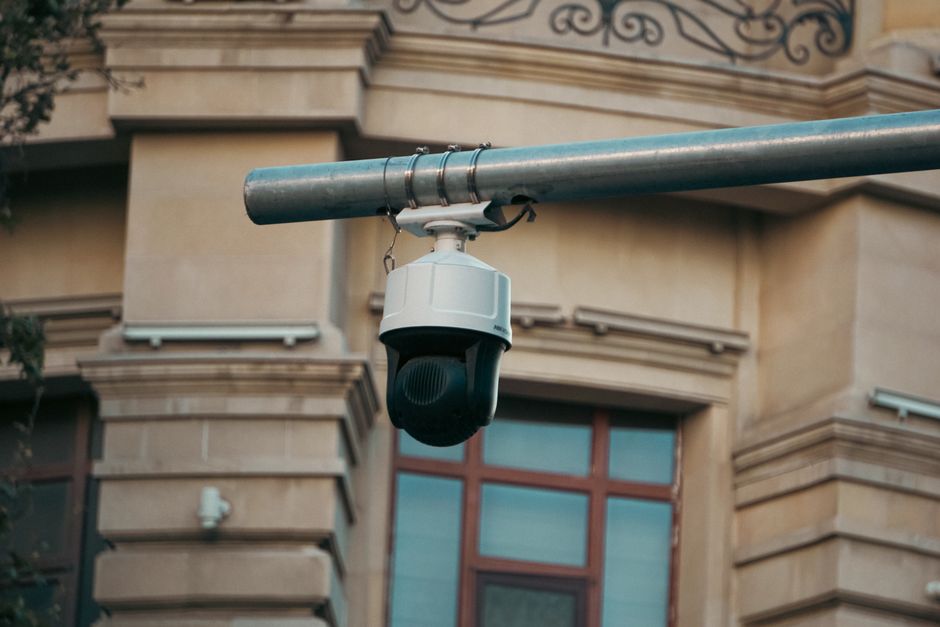
For years, we've been enthusiastically embracing this vision, inviting an ever-growing array of AI-powered gadgets into our most intimate spaces. From voice assistants perched on our countertops to cameras guarding our doorways, from intelligent lighting systems to sophisticated security setups, our homes are rapidly evolving into interconnected ecosystems. We marvel at the innovation, the effortless control, and the perceived efficiency these devices bring. They promise to simplify our lives, to make our homes safer, more comfortable, and even more energy-efficient. But beneath this gleaming facade of convenience and cutting-edge technology lies a less-talked-about reality, a hidden truth that most consumers are only dimly aware of. Your smart home isn't just serving you; it's meticulously observing, analyzing, and ultimately, learning an astonishing amount about you, your habits, and your very existence within its digital walls.
The Silent Spies in Your Living Room
The core of this revelation isn't that these devices collect data – we largely understand that they need some information to function. The unsettling part is the sheer *volume* and *granularity* of the data being collected, often without our explicit, informed consent, and the sophisticated AI algorithms that then transform this raw data into incredibly detailed profiles of our lives. These aren't just passive sensors; they are active, always-on observers, diligently compiling a digital dossier on everything from your morning routine to your late-night snacks, from your conversations to your visitors. It’s a level of pervasive surveillance that, if conducted by a human, would be deemed invasive and unacceptable, yet we’ve welcomed it into our homes under the guise of technological advancement.
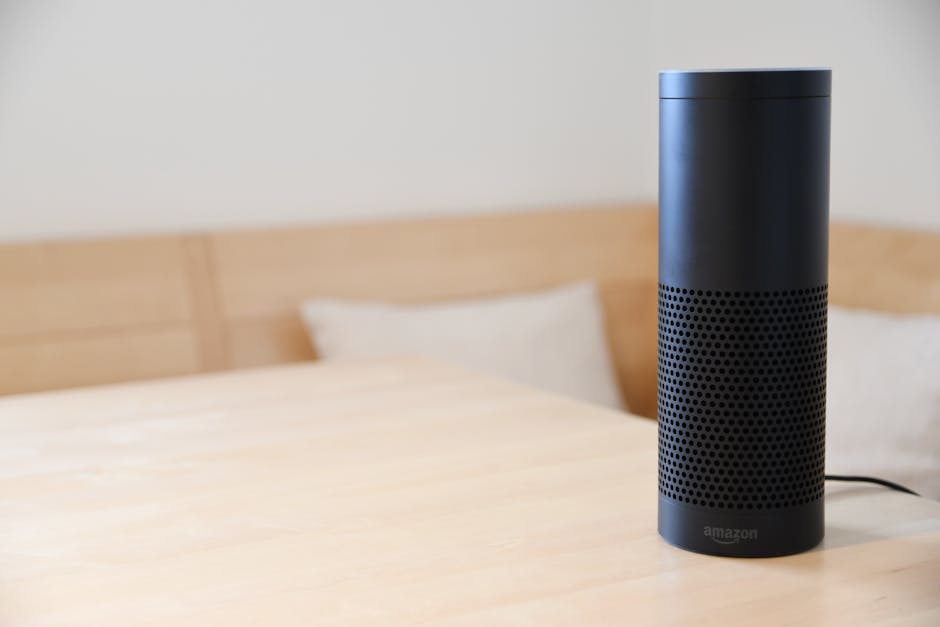
Think about your smart speaker, for instance. We’ve been told it only "wakes up" when it hears its trigger word. While technically true for sending commands to the cloud, the device’s microphone is constantly active, listening for that trigger word. This means it’s also constantly processing ambient audio in your home. Companies insist this processing happens locally and is discarded if no trigger word is detected. However, numerous documented instances have shown that these devices can misinterpret sounds, accidentally record conversations, and even send those recordings to company servers for "human review" or simply store them for longer than you might expect. These accidental recordings, or even intentional ones that you've forgotten about, can capture intimate moments, private discussions, or sensitive information that you would never willingly share with a corporation.
And it's not just the obvious listening devices. Every smart gadget, from your refrigerator to your lightbulbs, contributes to this mosaic of data. Your smart thermostat, like Google's Nest or Amazon's Ecobee, does more than just control temperature; it learns your presence patterns, when you leave for work, when you return, when you go to bed. It can infer if you're on vacation, if you have guests, or if your routine has significantly changed. This information, when combined with data from other devices, paints a surprisingly complete picture of your daily life, your habits, and even your emotional state. The implications of this pervasive data collection extend far beyond targeted ads; they touch upon the very essence of our privacy and autonomy within our own homes.
Unraveling the Threads of Data Collection
The journey of your data begins the moment you unbox a smart device and connect it to your home network. Each interaction, each command, each sensor reading becomes a data point. The device itself, often a tiny computer, collects raw information – audio waves, video frames, temperature readings, motion detections. This raw data is then typically encrypted and transmitted over your internet connection to the manufacturer’s cloud servers. Here's where the magic, or perhaps the mischief, of AI truly begins. Machine learning algorithms, often incredibly complex and opaque, sift through this torrent of data. They identify patterns, recognize voices, detect faces, infer moods, and predict behaviors. This isn't just about making your device perform better; it's about building a comprehensive, ever-evolving profile of you, your household, and your lifestyle.
Consider the seemingly innocuous smart light bulb. Beyond simply turning on and off, some advanced systems track your usage patterns, correlating them with time of day, day of the week, and even your presence detected by other sensors. This data can reveal your sleep schedule, when you're awake, and when you're away from home. A smart vacuum cleaner, while mapping your floor plan for efficient cleaning, is also creating a detailed blueprint of your home's layout, including the location of furniture and potentially even valuable items. This spatial data, combined with information about when you're home or away, could become incredibly valuable, not just to advertisers but potentially to less scrupulous entities. The cumulative effect of these seemingly small data points is staggering; individually, they might seem harmless, but aggregated and analyzed by powerful AI, they form an intimate digital replica of your life.
It's a common misconception that because we "opted in" by agreeing to a privacy policy, we fully understand the implications. The reality is that these policies are often convoluted legal documents, hundreds or thousands of words long, filled with jargon that few people truly comprehend. They are designed to be broad and all-encompassing, granting companies vast permissions to collect, process, and share your data, often with third parties, in ways that are far from transparent. We click "Agree" out of convenience, eager to use our new gadget, effectively signing away layers of our privacy without a second thought. This isn't just about companies being malicious; it's about a business model that thrives on data, where your personal information is the new currency, and your smart home is a goldmine waiting to be tapped.
"The smart home is the ultimate panopticon, not because it's designed to be malicious, but because its very function relies on constant observation and data collection. We've exchanged privacy for convenience, often without realizing the full cost." - Dr. Eleanor Vance, Cybersecurity Ethicist.
The journey of your data doesn't end with the manufacturer. Once processed and analyzed, this data can be shared, sometimes anonymized, sometimes not, with a vast ecosystem of partners. This includes advertisers, data brokers, insurance companies, and even researchers. The "anonymization" process itself is often flawed; studies have repeatedly shown that seemingly anonymous data can be re-identified with surprising ease when cross-referenced with other publicly available information. This means that your smart home data, stripped of your name, could still be linked back to you, revealing details about your health, your financial stability, your relationships, and your habits that you believed were private. The digital footprint you leave within your own home is far more expansive and revealing than most people ever imagine, and it's being continuously built, refined, and leveraged by forces largely beyond your control.