Layering Your Defenses A Multi-Tool Approach to Online Privacy
Achieving true online privacy in today's interconnected world isn't a single switch you can flip; it's a dynamic, multi-layered endeavor. Just as a medieval castle relied on moats, high walls, drawbridges, and armed guards, your digital fortress requires a combination of tools and practices working in concert. Relying on a single solution, no matter how powerful, leaves potential vulnerabilities. The Incognito Lie persists because it tricks us into believing a single, simple action is enough. But real digital stealth demands a more sophisticated, holistic strategy, one that understands the various vectors of attack and deploys appropriate countermeasures at each level. Think of it as building an impenetrable digital onion, with each layer adding another barrier to those who wish to track, collect, or exploit your data.
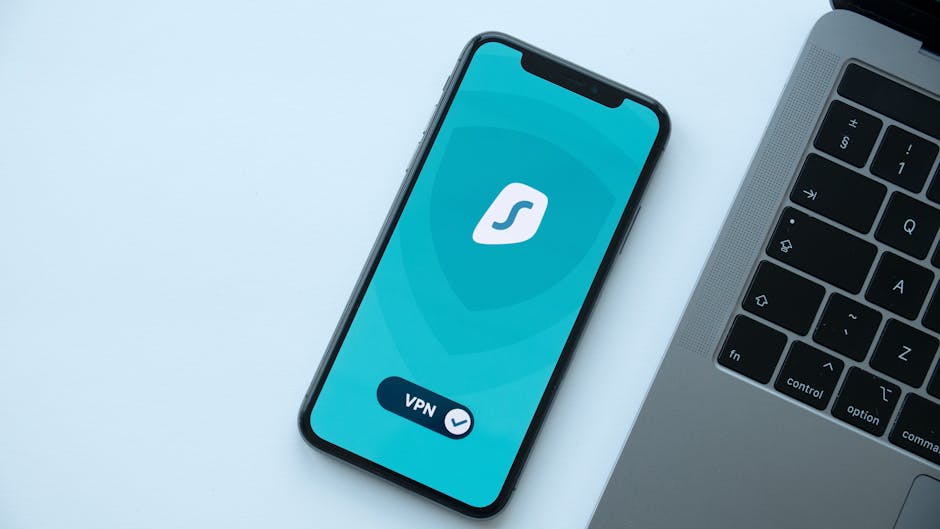
At the foundation, as we discussed, lies a reputable Virtual Private Network (VPN) or the Tor Browser, encrypting your traffic and masking your IP address. This is your primary shield, protecting your connection from your ISP and network administrators. But even with a VPN, websites and third-party trackers still try to identify you. This is where browser extensions and privacy-focused browser settings come into play. Tools like uBlock Origin are indispensable. This open-source, wide-spectrum content blocker doesn't just block annoying ads; it actively prevents thousands of tracking scripts, malware domains, and pop-ups from ever loading on your browser. By preventing these scripts from executing, you dramatically reduce the amount of data that can be collected about your browsing behavior, even if you're using a VPN. Privacy Badger, another excellent extension from the Electronic Frontier Foundation (EFF), specifically focuses on blocking invisible trackers that try to follow you across the web, learning as it goes to identify and block new tracking techniques. These extensions act as vigilant sentinels, ensuring that even if a tracker tries to sneak past your VPN, it's blocked at the browser level.
Beyond active blocking, consider the subtle ways your browser leaks information. Many browsers, by default, send "referrer" information to websites, telling them where you came from. While often benign, this can sometimes reveal sensitive information. Adjusting browser settings to minimize referrer leakage, or using extensions that strip this information, adds another layer of protection. Furthermore, regularly clearing your browser's cache and cookies (even outside of Incognito mode) is a good practice, preventing long-term tracking cookies from accumulating. While Incognito mode does this temporarily, making it a habit in your regular browsing can significantly enhance your privacy. The goal here is to create an environment where your browser actively resists identification, rather than passively allowing it, a stark contrast to the passive, temporary 'forgetting' offered by Incognito mode.
The beauty of this layered approach is that each tool compensates for the weaknesses of others. A VPN might protect your IP, but it won't necessarily block every single tracking script. A strong ad blocker will stop many trackers but won't hide your IP from your ISP. Combining them creates a much more robust defense. It's about understanding that no single tool is a silver bullet, and that genuine privacy comes from a thoughtful combination of technologies and habits. This holistic perspective moves us beyond the superficiality of "private browsing" into a realm of proactive, informed digital self-defense, giving us a fighting chance against the pervasive surveillance mechanisms of the modern internet. It’s an ongoing commitment, but one that is absolutely essential for anyone serious about reclaiming their digital freedom and maintaining control over their personal information.
Mastering the Art of Digital Disguise Smart Habits for Everyday Secrecy
Technology alone, however sophisticated, is only part of the equation. True digital stealth also requires a fundamental shift in our online habits and a more critical, discerning approach to how we interact with the internet. Mastering the art of digital disguise means cultivating a mindset of skepticism towards default settings, understanding the implications of every click, and adopting practices that minimize your digital footprint, regardless of the tools you employ. This is where personal discipline and informed decision-making become as crucial as any software solution.
One of the simplest yet most effective habits is to develop a critical eye towards website permissions and privacy policies. Before hastily clicking "Accept All Cookies" or granting an app access to your location, contacts, or camera, take a moment to understand what you're agreeing to. Many websites now offer granular cookie consent options; take the extra minute to customize them, opting out of non-essential tracking and advertising cookies. Similarly, regularly review the permissions granted to apps on your smartphone and revoke any that are unnecessary. Does that flashlight app really need access to your microphone? Probably not. These small acts of vigilance, consistently applied, can significantly reduce your exposure to data collection.
Consider the power of email aliases and disposable email addresses. Instead of using your primary email address for every newsletter, online purchase, or forum registration, create secondary email accounts or use services that generate temporary, forwarding aliases. Services like SimpleLogin or AnonAddy allow you to create unique email addresses for every service, all forwarding to your main inbox. If one of these aliases starts receiving spam or is involved in a data breach, you can simply deactivate that specific alias without compromising your primary email. This compartmentalization of your digital identity makes it much harder for data brokers to link disparate accounts and build a comprehensive profile of you, and it protects your main email from being inundated with unwanted messages or becoming a target for phishing attacks. It's a simple, elegant way to maintain multiple "digital disguises" for different contexts.
Strong, unique passwords for every online account, coupled with a robust password manager, are another non-negotiable aspect of digital security and privacy. Reusing passwords is like giving a thief a master key to your entire digital life. A password manager (like Bitwarden, LastPass, or 1Password) generates complex, unique passwords for you and stores them securely, requiring you to remember only one master password. This not only protects your individual accounts from credential stuffing attacks but also ensures that if one service is breached, your other accounts remain secure. Enabling two-factor authentication (2FA) wherever possible adds another critical layer of defense, making it significantly harder for unauthorized individuals to access your accounts, even if they somehow manage to obtain your password. These are foundational security habits that, while not directly related to browsing anonymity, form the bedrock of a secure and private online existence.
Finally, cultivate a healthy skepticism towards anything free online. If a service is "free," you are often the product. Your data, your attention, and your behavior are the currency. This isn't to say all free services are inherently malicious, but it encourages a thoughtful evaluation of the trade-offs involved. Understand that every interaction, every share, every comment on social media contributes to a public record that can be aggregated and analyzed. Think before you post, consider the longevity of your digital footprint, and actively curate your online persona. These smart habits, when combined with powerful privacy tools, transform you from a passive subject of online surveillance into an active, empowered participant who understands and controls the flow of their personal information. It's a continuous journey, but one that leads to greater digital freedom and peace of mind.
The Unending Quest for Digital Freedom A Personal Commitment to Privacy
The journey towards true online privacy and digital freedom is not a destination but an ongoing process, a continuous adaptation to an ever-evolving technological landscape. The 'Incognito Lie' is but one example of how easily we can be misled, how superficial solutions can mask deeper vulnerabilities. Breaking free from this deception requires more than just understanding the limitations of private browsing; it demands a personal commitment to informed action, a willingness to learn, and a dedication to protecting what is increasingly becoming our most valuable asset: our personal data and digital identity.
As technology advances, so too will the methods of tracking and surveillance. Browser fingerprinting will become more sophisticated, AI-driven profiling will become more accurate, and new forms of data collection will emerge. This means that our privacy strategies cannot remain static. We must stay informed about new threats and new solutions, regularly review our privacy settings, update our tools, and adapt our habits. Subscribing to reputable cybersecurity news sources, following privacy advocates, and engaging with communities dedicated to digital rights are all ways to keep abreast of the latest developments and ensure your defenses remain robust.
Consider this a personal privacy checklist, a set of principles to guide your ongoing quest for digital freedom. Prioritize a high-quality, no-logs VPN for all your internet traffic. Embrace privacy-focused browsers like Brave or hardened Firefox, coupled with powerful ad and tracker blockers such as uBlock Origin. Make privacy-respecting search engines like DuckDuckGo your default. Commit to using unique, strong passwords for every account, managed by a reliable password manager, and activate two-factor authentication whenever possible. Practice careful email hygiene with aliases or disposable addresses. Be mindful of what you share on social media and critically evaluate the permissions you grant to apps and websites. These are not one-time fixes but enduring practices that form the backbone of a truly private online experience.
Ultimately, the power to reclaim your digital sovereignty lies within you. It's about recognizing that privacy is not a default setting in the modern digital world, but a conscious choice, an active pursuit, and a continuous commitment. It’s about understanding that the seemingly benign convenience of many online services often comes at the cost of your personal data. By shedding the illusion of Incognito Mode and embracing a comprehensive, multi-layered approach to digital stealth, you empower yourself to navigate the internet on your own terms, protecting your information, preserving your freedom, and ensuring that your digital life remains truly your own. The myth is debunked; the real work of digital freedom begins now.