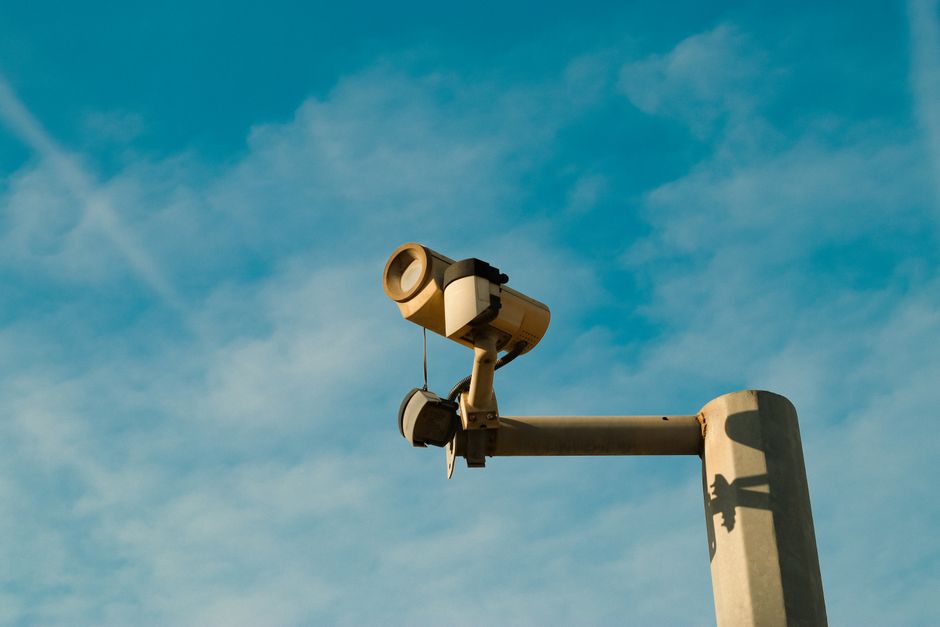
Have you ever paused to consider the true cost of that "free" social media account, that convenient search engine, or that incredibly useful mapping application that guides you through life? It feels like magic, doesn't it? Instant connections, endless information, seamless navigation – all at no monetary charge. But as a seasoned observer of the digital realm, someone who's spent over a decade dissecting the intricate dance between technology and our personal lives, I can tell you with unwavering certainty that there's no such thing as a truly free lunch in the digital age. We're not paying with our wallets; we're paying with something far more valuable, something often taken for granted until it's gone: our privacy.
The illusion of freeness is a carefully constructed masterpiece, a brilliant stratagem employed by the world's most powerful tech giants – the Googles, the Metas, the Amazons – to build empires worth trillions. They offer us unparalleled convenience and connection, enticing us into their ecosystems with promises of utility and community. Yet, beneath this glossy veneer of benevolence lies a sophisticated, insatiable data-mining operation, a relentless pursuit of every conceivable piece of information about who you are, what you like, where you go, and even what you think. This isn't just about targeted advertising; it's about predictive analytics, behavioral manipulation, and the commodification of your very identity, all traded on an unseen market for astronomical sums.
Unmasking the Architects of Surveillance Capitalism
The term "surveillance capitalism" might sound like something out of a dystopian novel, but it's a stark reality, eloquently coined by Professor Shoshana Zuboff to describe this new economic order. It’s a system where human experience is secretly harvested as free raw material for translation into data, which is then used to predict and modify human behavior. Think about it: every click, every scroll, every search query, every location ping, every voice command – it’s all meticulously recorded, analyzed, and aggregated. This isn't just idle data; it's the fuel that powers algorithms designed to keep you engaged, to nudge your decisions, and ultimately, to maximize profit for these tech behemoths. They aren't just selling products; they're selling access to your future self, or at least, their highly probable prediction of it.
For years, many of us, myself included, operated under a naive assumption that our online activities were largely private, or at least, only mildly observed for general trends. We might have grumbled about a creepy ad or two, but the sheer scale and depth of data collection remained largely invisible, shrouded in complex privacy policies no one reads and technical jargon few understand. However, the curtain has been slowly pulled back, revealing a sprawling, interconnected web of trackers, brokers, and data exchanges that operate in the shadows, making our personal information their primary currency. The value of this currency is staggering; the global data brokerage industry alone is estimated to be worth hundreds of billions of dollars, a figure that continues to climb as our lives become increasingly digitized.
This isn't just about a single company tracking you; it's a vast ecosystem. When you visit a website, it's not just that site collecting data. It's often dozens, sometimes hundreds, of third-party trackers, embedded scripts, and advertising networks that are also quietly siphoning off information about your visit. These trackers follow you across the internet, piecing together a comprehensive profile of your digital footprint. This profile, far more detailed than anything you'd ever willingly share, becomes a digital doppelgänger, a predictive model of your desires, vulnerabilities, and purchasing habits, ready to be bought and sold to the highest bidder. It's a gold rush, and your personal data is the gold.
The Invisible Hand of Data Collection
The methods employed by Big Tech to harvest our data are sophisticated, often surreptitious, and constantly evolving. It goes far beyond the simple cookies we’ve all heard about. Device fingerprinting, for instance, creates a unique identifier for your device based on its specific configuration, browser type, installed fonts, and even battery levels, allowing trackers to identify you even if you clear your cookies. Pixels, tiny invisible images embedded on websites and emails, report back when you view content, giving companies insights into your engagement and interests. These are just a few examples of the myriad ways your digital crumbs are swept up and analyzed.
Consider the seemingly innocuous permissions you grant to apps on your smartphone. That flashlight app really needs access to your contacts, microphone, and location data? Probably not. Yet, many users click "allow" without a second thought, trading potential utility for a significant privacy concession. These permissions are goldmines for data collectors, providing direct access to sensitive information that can be linked back to your comprehensive digital profile. The problem is exacerbated by the fact that many of these apps are "free," perpetuating the cycle of data exchange for perceived value. It’s a Faustian bargain, where the devil wears a friendly, brightly colored app icon.
"Data is the new oil. It's valuable, but if unrefined and unused, it cannot really be called oil." – Clive Humby, British mathematician and architect of Tesco's Clubcard. This quote, while often cited, perfectly encapsulates the mindset of Big Tech: raw data needs to be processed, analyzed, and refined to extract maximum value, and that value is immense.
The data collected isn't just demographic information like age and gender. It delves into your psychographics: your personality traits, values, attitudes, interests, and lifestyles. Algorithms analyze your browsing history to infer your political leanings, your health concerns, your financial stability, and even your emotional state. This granular level of insight allows companies to tailor not just ads, but entire user experiences, creating highly personalized digital environments that subtly guide your behavior. It’s a powerful tool, and in the wrong hands, or even just in the pursuit of profit maximization, it can have profound implications for individual autonomy and societal well-being.
The importance of understanding this mechanism cannot be overstated. We are living through an unprecedented era where our personal information is the most sought-after commodity, and the entities collecting it are often opaque, powerful, and largely unregulated. This article aims to pull back that final veil, to expose the true machinations behind the "free" services we've come to rely on, and crucially, to empower you with the knowledge and tools to reclaim some semblance of control over your digital life. It's time to stop being the product and start being the informed user.