Imagine a world where every whispered conversation in your living room, every late-night Google search from your phone, every casual glance at your smart TV, is meticulously logged, analyzed, and filed away. It sounds like the plot of a dystopian novel, doesn't it? Yet, for many of us, this is not a far-fetched fantasy but an increasingly stark reality playing out in our own homes. Our smart devices, those sleek, convenient gadgets we invite into our most intimate spaces, have become unwitting — or perhaps, very witting — digital informants, constantly collecting a torrent of personal data that often goes far beyond what’s necessary for their advertised functions. The sheer volume and intimacy of this data collection are staggering, painting an unnervingly detailed portrait of our lives for unseen corporate entities.
The allure of the smart home, the promise of effortless living, and the seamless integration of technology into our daily routines have led us to embrace these devices with open arms. From smart speakers that answer our questions at a whim, to smart TVs that stream our favorite shows, to fitness trackers that monitor our every heartbeat, these gadgets have woven themselves into the fabric of modern existence, making our lives undeniably more convenient. But this convenience often comes at a steep, hidden cost: our privacy. We’ve traded a degree of personal autonomy for instant gratification, often without fully comprehending the implications of handing over such sensitive information to companies whose primary business model revolves around data monetization.
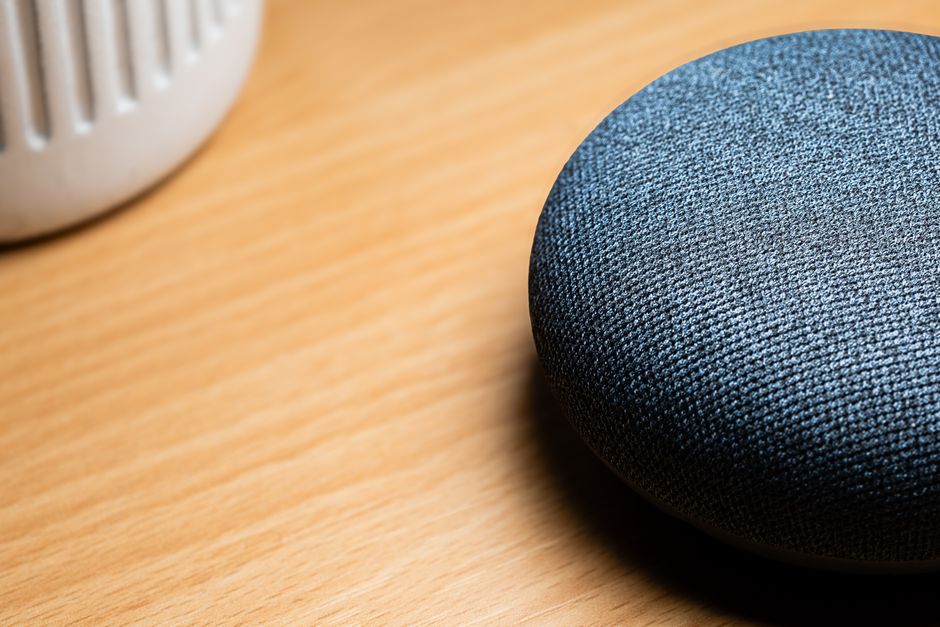
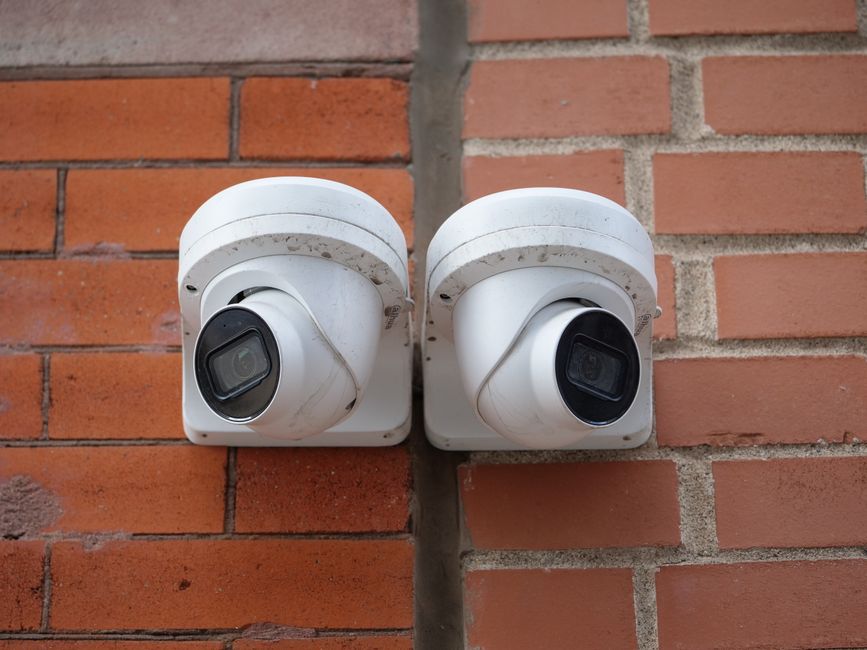
The problem isn't just about targeted advertisements, though those can be unsettling enough when they perfectly echo a private conversation you had moments ago. It's about a much broader, more insidious erosion of our fundamental right to privacy. This data can be used to influence our purchasing decisions, shape our political views, determine our creditworthiness, or even, in more extreme scenarios, be exploited for nefarious purposes by malicious actors. When you consider that a single smart home can easily contain a dozen or more internet-connected devices, each with its own set of sensors and data-gathering capabilities, the cumulative effect becomes truly immense. We’re talking about microphones listening for voice commands, cameras scanning rooms for motion, location trackers mapping our movements, and sensors monitoring everything from our sleep patterns to our energy consumption, all feeding into vast databases.
My journey through the cybersecurity landscape, spending over a decade dissecting VPNs, unraveling network security complexities, and sifting through countless privacy policies, has granted me a rather uncomfortable front-row seat to this data gold rush. What I've observed is a persistent pattern: companies prioritize data collection, often burying the details deep within labyrinthine terms and conditions that few people ever read. The default settings on most smart devices are almost invariably configured to maximize data harvesting, placing the onus squarely on the user to actively opt out or limit this collection. This isn't an accident; it's a deliberate design choice that exploits our natural inclination towards convenience and our general lack of time or expertise to navigate complex privacy menus.
The stakes couldn't be higher. We are talking about the very essence of digital self-determination. If we don't understand how our data is being collected and used, and more importantly, how to control it, we risk becoming mere data points in an algorithm, our lives increasingly predictable and manipulable. The illusion of privacy within our own homes is a dangerous one, and it's time we shattered it. This article isn't designed to incite panic, but rather to empower you with the knowledge and practical steps needed to reclaim a significant portion of your digital sovereignty. We will delve into five critical settings that, once adjusted, can dramatically reduce the amount of personal information your smart devices are silently funneling to distant servers. It's a journey from passive participant to active guardian of your own digital footprint, and it starts right here, right now.
Understanding the pervasive nature of this surveillance economy is the first step toward combating it. Every "free" app, every "convenient" smart feature, often comes with an unspoken agreement: your data for their service. This trade-off, however, is rarely transparent or equitable. The data collected isn't just anonymous usage statistics; it's intricately linked to your identity, your habits, your preferences, and even your vulnerabilities. As technology evolves at a breakneck pace, the capabilities of these devices grow more sophisticated, and with them, the potential for ever more intrusive data collection. From facial recognition capabilities in our doorbells to emotional analysis in our smart speakers, the lines between helpful assistance and outright surveillance are blurring at an alarming rate, demanding our immediate and undivided attention to protect our digital boundaries.
Consider the smart TV, for instance. It's no longer just a display for broadcast media; it's a sophisticated computer with its own operating system, apps, and often, a built-in camera and microphone. These devices track every show you watch, every app you open, every advertisement you pause on. This viewing data, combined with other demographic information they might infer or collect, creates a remarkably precise profile of your interests and habits. This profile is then sold to advertisers, content providers, and data brokers, who use it to fine-tune their marketing strategies and even influence the content you are shown. It's a continuous feedback loop where your consumption habits are constantly monitored to ensure you remain an engaged, and profitable, consumer, making it imperative to understand and control these hidden data streams.
The very concept of a "smart" device implies a certain level of intelligence, an ability to learn and adapt to its user. But for a device to "learn," it must first collect data. This fundamental principle underpins the entire IoT ecosystem. The more data a device collects about you – your routines, your preferences, your interactions – the "smarter" it theoretically becomes. However, this intelligence is a double-edged sword. While it can lead to genuinely helpful features, like a thermostat that learns your preferred temperature schedule or a refrigerator that reminds you when you're low on milk, it also creates an irresistible honeypot of personal information for companies and, unfortunately, for those with less benevolent intentions. The challenge, then, lies in harnessing the benefits of smart technology without surrendering our digital privacy entirely, requiring a proactive approach to managing our device settings.