Reining in Relentless Location Tracking Across Every Device
Our smart devices, particularly our smartphones, have become incredibly adept at pinpointing our exact whereabouts, often with alarming precision. This isn't just about the GPS chip in your phone; it's a complex ballet of technologies including Wi-Fi network triangulation, Bluetooth beacons, and even cell tower proximity, all working in concert to create an extraordinarily detailed map of your daily movements. Every coffee shop visit, every commute, every doctor's appointment, every late-night run to the grocery store – it's all logged, timestamped, and often, shared. The stated reasons for this pervasive tracking are typically benign: to provide navigation, offer localized weather updates, or enable location-based services like finding nearby restaurants. However, the reality of how this data is used, and potentially misused, extends far beyond these convenient applications, touching upon deeper, more troubling privacy implications that demand our immediate attention and careful consideration.
The true value of location data, from a corporate perspective, lies in its ability to paint a comprehensive picture of our habits, preferences, and even our socio-economic status. Data brokers, for instance, actively purchase vast datasets of location information, which they then aggregate, analyze, and sell to marketers, insurance companies, and even political campaigns. Imagine a scenario where your insurance premium is subtly adjusted based on your regular visits to fast-food restaurants, or where political ads are targeted to you based on your attendance at certain rallies. While these examples might sound extreme, they highlight the very real potential for discrimination and manipulation when such sensitive data is collected without proper oversight or granular user control. The sheer volume of data points, when combined and cross-referenced, can reveal incredibly intimate details about our lives, making it a prime target for those looking to exploit personal information for profit.
One particularly chilling example that underscores the dangers of unchecked location tracking emerged a few years ago when a popular weather app was found to be selling its users' precise location data to third-party companies, including hedge funds and advertisers. Users, thinking they were simply getting accurate forecasts, were unknowingly contributing to a massive data harvesting operation. Similarly, reports have detailed how location data, supposedly anonymized, was used to track individuals from sensitive locations like abortion clinics or domestic violence shelters, raising serious ethical and safety concerns. These incidents are not isolated anomalies; they are symptomatic of a broader industry practice where user data, particularly location data, is treated as a commodity to be bought, sold, and leveraged for commercial gain, often with little regard for the user's explicit consent or understanding of the downstream implications of their data being shared so widely across the digital ecosystem.
The problem is exacerbated by the fact that many apps request location permissions even when they have no legitimate need for them to function. A simple game, a photo editing tool, or a flashlight app might demand access to your precise location, and users, accustomed to blindly granting permissions to get to the app's core functionality, often click "allow" without a second thought. According to a study by the Pew Research Center, a significant percentage of smartphone users are concerned about companies tracking their location, yet many admit to rarely checking or adjusting their privacy settings. This disconnect between concern and action highlights the urgent need for greater awareness and simpler, more intuitive controls for managing location data, as the current system often places an unfair burden on the user to be a cybersecurity expert just to maintain a basic level of privacy in their daily digital interactions.
Silencing the Secret Microphones and Blinking Cameras in Your Home
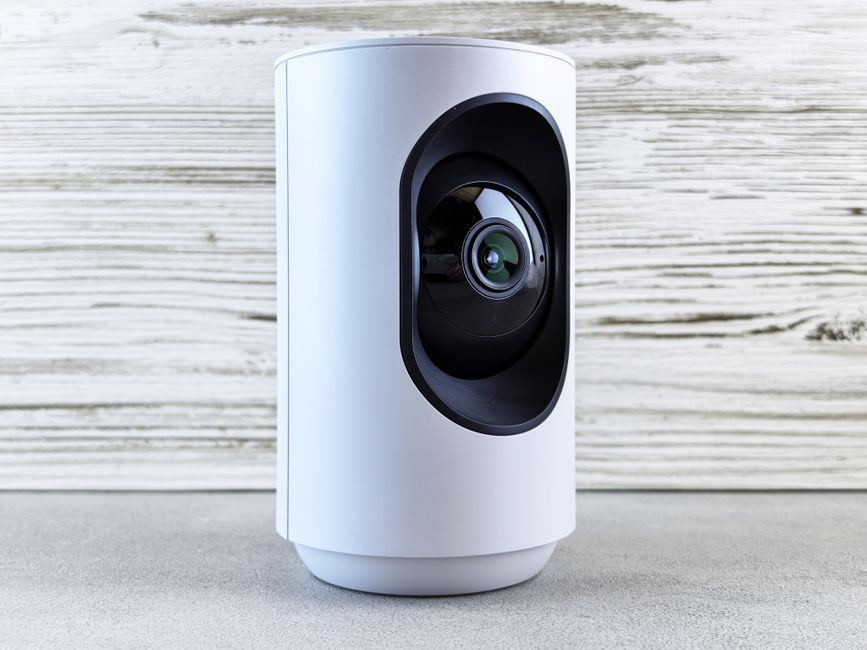
Perhaps nothing feels quite as invasive as the thought of an unseen microphone or camera silently observing our most private moments. Yet, this is precisely what many of our smart devices are designed to do, or at least have the capability of doing. Smart speakers like Amazon Echo and Google Home, smart TVs with built-in voice assistants, video doorbells, baby monitors, and even some smart vacuums are equipped with microphones that are, in a sense, always listening. They need to be "always on" to detect their wake word ("Alexa," "Hey Google"), but the line between passively awaiting a command and actively recording snippets of conversation can often feel blurry and, frankly, terrifying. For cameras, the concern is even more visceral; the idea of a lens pointed into our living rooms or children's nurseries, potentially accessible by hackers or even company employees, is enough to send shivers down anyone's spine, challenging our fundamental sense of security within our own homes.
The official explanation for these auditory and visual capabilities is, of course, to enhance convenience and security. Smart speakers respond to voice commands, smart TVs allow for hands-free control, and video doorbells provide peace of mind by showing who’s at your door. However, the history of these devices is riddled with instances where these capabilities have veered into privacy-compromising territory. Remember the reports of Amazon employees listening to and transcribing user conversations recorded by Alexa devices? Or the instance where a family's private conversation was accidentally sent to a random contact? These aren't just technical glitches; they are stark reminders that what happens in our homes, once digitized, can easily leave the confines of our personal space, raising profound questions about data sovereignty and the sanctity of private communication in the age of ubiquitous smart technology.
The potential for misuse extends beyond accidental sharing or human review. Smart TVs, for example, have been found to collect extensive data on viewing habits through their "Automatic Content Recognition" (ACR) features, which can identify every show, movie, and commercial you watch, even from external inputs like cable boxes. This data, combined with information from built-in microphones, creates an incredibly rich profile of your household's interests and demographics, which is then sold to advertisers. In 2017, Vizio, a major smart TV manufacturer, was fined by the FTC for secretly collecting and selling viewing data from millions of its smart TVs without explicit user consent. This case served as a wake-up call, demonstrating how easily our entertainment systems can transform into sophisticated surveillance tools, silently observing and profiting from our leisure activities.
"The microphone and camera are the most intimate sensors a device can possess. Giving them unrestricted access is akin to inviting a stranger to live in your home and record everything you do." - Eva Galperin, Director of Cybersecurity at the Electronic Frontier Foundation
The psychological impact of knowing you might be constantly monitored is also significant. It can foster a subtle but pervasive sense of unease, leading to self-censorship or a reluctance to engage in spontaneous, private conversations. This chilling effect erodes the very notion of a private sanctuary, turning our homes into potential surveillance zones. While device manufacturers often provide physical mute buttons for microphones or lens covers for cameras, relying solely on these physical safeguards can be insufficient, especially when software vulnerabilities or malicious actors could potentially bypass them. The default settings on many of these devices are often configured for maximum functionality, which, unfortunately, often translates to maximum data collection, leaving users with the responsibility to actively seek out and disable these intrusive features if they wish to preserve their privacy.