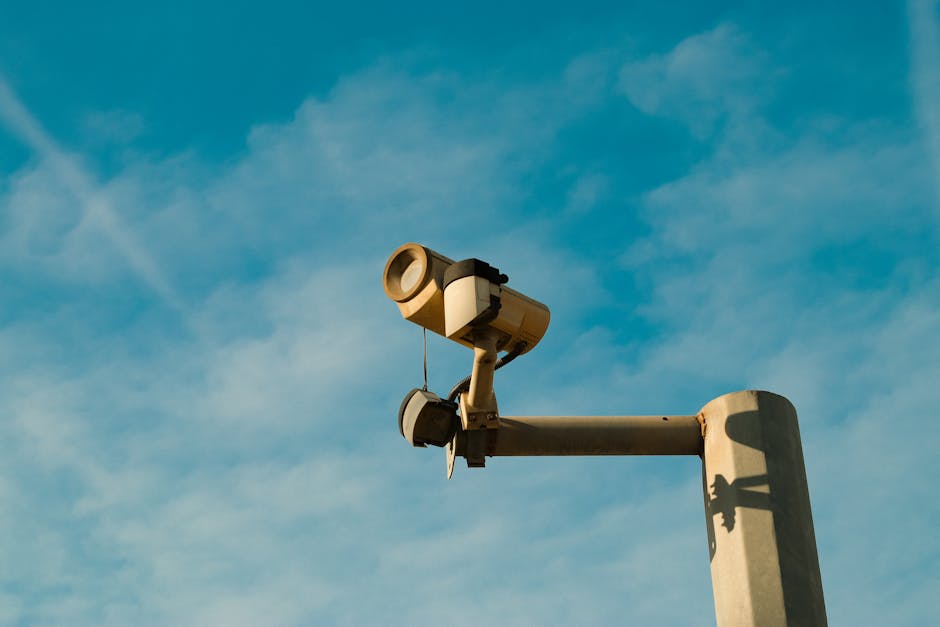
Reclaiming your privacy in a world dominated by data-hungry tech giants might seem like an insurmountable task, a battle against an invisible, all-encompassing force. But despair not. While a complete escape might be unrealistic for most, there are numerous practical, effective, and often surprisingly simple steps you can take right now to significantly reduce your digital footprint, limit data collection, and bolster your online defenses. Think of it not as a one-off grand gesture, but as a continuous journey, a series of conscious choices that collectively empower you against the pervasive forces of surveillance capitalism.
The first and perhaps most fundamental step is to cultivate a mindset of skepticism towards "free" services. Always ask yourself: if I'm not paying for the product, am I the product? This critical thinking should extend to every app you download, every website you visit, and every social media platform you engage with. Understand that convenience often comes at the cost of privacy. Once you accept this trade-off as a reality, you can begin to make more informed decisions about which services genuinely benefit you and which are simply leveraging your data for their own profit. It’s about being an active participant in your digital life, not a passive data generator.
Building Your Digital Privacy Fortress
One of the most effective tools in your privacy arsenal is a reputable Virtual Private Network, or VPN. As someone deeply embedded in the cybersecurity niche, I can attest to the transformative power of a good VPN. It encrypts your internet connection, making it unreadable to your Internet Service Provider (ISP), hackers, and even government agencies. Crucially, it masks your real IP address by routing your traffic through a server in a location of your choice, making it incredibly difficult for websites and trackers to pinpoint your actual geographical location and link your online activity directly back to you. This is a foundational layer of defense for anyone serious about online privacy.
Choosing the right VPN is vital. Look for providers with a strict "no-logs" policy, meaning they don't record your online activities. Independent audits of their no-logs claims are a huge plus. Strong encryption standards (like AES-256), a wide network of servers, and features like a kill switch (which automatically disconnects your internet if the VPN connection drops) are also essential. Avoid free VPNs, as they often have their own incentives for collecting and selling your data, ironically undermining the very purpose of using a VPN. Investing a small monthly fee in a premium VPN is one of the best returns you'll get on your privacy investment.
Beyond a VPN, consider adopting privacy-focused browsers. Ditch Chrome, which is a Google product designed to feed their data machine, and explore alternatives like Mozilla Firefox (with enhanced tracking protection enabled), Brave Browser (which blocks ads and trackers by default and has a built-in VPN-like feature called Tor for private browsing), or DuckDuckGo's privacy browser. These browsers are built with user privacy at their core, minimizing data collection and offering more robust tools to block trackers. Complement this with browser extensions like uBlock Origin (an excellent ad blocker), Privacy Badger (which learns and blocks trackers), and Decentraleyes (which protects against CDN tracking).
Reclaiming Your Data and Managing Permissions
Take an active role in managing your privacy settings on every platform you use. This means diving deep into the settings of your social media accounts, search engines, and even your operating system (Windows, macOS, Android, iOS). Turn off location tracking where it's not absolutely essential. Disable personalized ads. Review app permissions on your smartphone regularly; if a flashlight app asks for access to your microphone or contacts, it's a huge red flag. Be ruthless in revoking unnecessary permissions. Remember, every piece of data they don't collect is a victory for your privacy.
Actively purge your digital history. Regularly clear your browser cookies and cache. For Google users, visit your Google Activity controls (myactivity.google.com) and review what data they're storing, then delete what you can and turn off activity tracking. Similarly, on Facebook/Meta, explore the "Off-Facebook Activity" section to see what third-party apps and websites are sharing your data with them, and disconnect those links. It’s a tedious process, I won't lie, but it’s akin to tidying up a messy room – essential for a clear and secure environment.
Finally, practice strong password hygiene and enable two-factor authentication (2FA) wherever possible. A unique, strong password for each account, preferably generated and stored by a reputable password manager, is non-negotiable. 2FA adds an extra layer of security, making it exponentially harder for unauthorized individuals to access your accounts even if they somehow get your password. While these aren't directly privacy measures against data collection, they are crucial for protecting your identity and preventing malicious actors from gaining access to the data you've already shared or that has been collected about you.
Advocacy and the Collective Effort
Beyond individual actions, remember that privacy is a collective right and requires collective action. Support organizations that advocate for stronger privacy laws. Write to your elected officials, expressing your concerns about data exploitation and demanding robust regulations. Educate your friends and family about the importance of digital privacy and empower them with the knowledge to protect themselves. The more voices that speak up, the harder it becomes for Big Tech to ignore the demand for change. We need to shift the narrative from "privacy is dead" to "privacy is a fundamental right worth fighting for."
Consider using privacy-friendly alternatives for services you rely on. Instead of WhatsApp, explore Signal or Threema for end-to-end encrypted messaging. Instead of Google Search, use DuckDuckGo or Startpage. Instead of Google Maps, try Organic Maps or Apple Maps (which has improved its privacy features). This isn't about perfection; it's about making conscious choices to support companies that prioritize your privacy over profit. Every time you choose a privacy-focused alternative, you're voting with your feet and signaling to the market that there's a demand for ethical technology.
The secret price of "free" is indeed steep, paid in the currency of our personal data, autonomy, and trust. But by understanding the mechanisms of surveillance capitalism and implementing these practical steps, you can begin to dismantle the digital doppelgänger that Big Tech has constructed. It’s a continuous effort, a journey of vigilance and education, but one that is absolutely essential for safeguarding your digital future and reclaiming your place as an empowered individual in the vast, interconnected world of the internet. Your privacy isn't just a commodity; it's a cornerstone of your freedom, and it's worth fighting for.