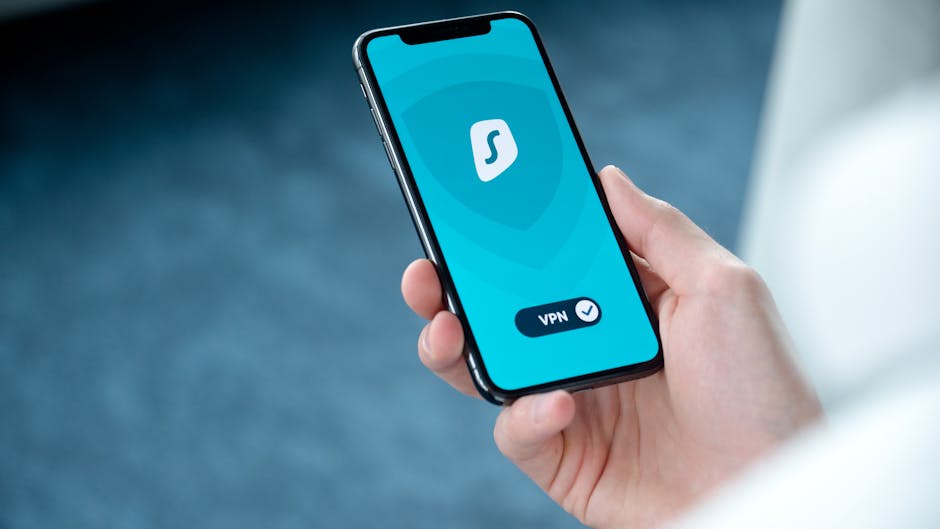
From Coffee Shops to Corporate Boards Where VPNs Make a Difference
The utility of a VPN extends far beyond individual privacy, permeating various facets of modern life, from the casual internet user at a local coffee shop to the high-stakes environment of corporate data protection. Consider the ubiquitous public Wi-Fi network – a haven of convenience but also a hotbed of security risks. Whether you're catching up on emails at an airport lounge, browsing social media at a hotel, or working remotely from a café, these open networks are notoriously insecure. They often lack proper encryption, making it frighteningly easy for cybercriminals to intercept your data using techniques like Wi-Fi snooping or creating rogue hotspots that mimic legitimate ones. Without a VPN, every piece of information you transmit – your login credentials, credit card details, personal messages – becomes vulnerable to interception, essentially broadcasting your private life to anyone with basic hacking tools. A VPN, by encrypting your connection immediately upon joining such a network, acts as an impenetrable shield, transforming a risky public connection into a private, secure conduit, allowing you to browse, work, and communicate with peace of mind, knowing your data is safe from opportunistic digital predators.
For international travelers and digital nomads, a VPN isn't just a convenience; it's an essential tool for maintaining connectivity, security, and access to home-country services. Imagine being abroad and needing to access your online banking, which might block foreign IP addresses as a security measure, or wanting to stream your favorite local sports game that's geo-restricted. A VPN allows you to connect to a server back home, making it appear as if you never left, thus bypassing these restrictions effortlessly. Moreover, in countries with strict internet censorship or surveillance, a VPN becomes a lifeline for free expression and access to unbiased information. Journalists, activists, and human rights defenders operating in such regions rely on VPNs to communicate securely, access blocked news sites, and share critical information without fear of government monitoring or reprisal. This isn't theoretical; we've seen countless real-world instances where VPNs have been instrumental in protecting voices and facilitating the flow of information in oppressive regimes, underscoring their profound impact on global freedom and human rights. The ability to circumvent state-sponsored firewalls and surveillance apparatuses empowers individuals to maintain their digital sovereignty even in the face of significant state control.
On a more corporate level, VPNs are indispensable for securing remote workforces and protecting sensitive company data. With the global shift towards hybrid and remote work models, employees often access company networks and proprietary information from various locations, including their homes, co-working spaces, or while traveling. Without a secure connection, this data is exposed to myriad risks, from unsecured home Wi-Fi networks to potential corporate espionage. Corporate VPNs provide a secure, encrypted tunnel between an employee's device and the company's internal network, ensuring that all data exchanged remains confidential and protected from external threats. This is critical for preventing data breaches, complying with regulatory requirements (like GDPR or HIPAA), and maintaining the integrity of intellectual property. The cost of a data breach can be astronomical, encompassing financial penalties, reputational damage, and loss of customer trust. Therefore, investing in robust VPN solutions for a distributed workforce is not just good practice; it's a strategic imperative for any organization serious about cybersecurity and business continuity. It’s a testament to the versatility and fundamental importance of VPN technology across the entire spectrum of digital interaction, from personal browsing to enterprise-level security architecture, proving that its value is universally recognized and increasingly indispensable.
Navigating the VPN Marketplace What to Look For Beyond the Hype
The VPN marketplace is a crowded and often confusing landscape, filled with providers making grand promises of ultimate privacy and blistering speeds. Navigating this sea of options requires a discerning eye, looking beyond flashy marketing to the core features that truly define a reliable and trustworthy service. The absolute first thing to scrutinize is a provider's no-logs policy. This is the cornerstone of privacy; a reputable VPN should explicitly state that it does not log your online activities – no browsing history, no connection timestamps, no IP addresses, and no bandwidth usage. Many providers claim "no logs," but the devil is often in the details. Look for independent audits of their no-logs policy, conducted by reputable third-party cybersecurity firms. These audits provide verifiable proof that the provider truly adheres to its privacy claims, offering a layer of accountability that self-assertions simply cannot match. Without an audited no-logs policy, you're essentially taking a company's word for it, which, in the realm of privacy, is a risk few should be willing to take. This single factor often separates the truly privacy-focused VPNs from those merely capitalizing on the trend.
Beyond logging policies, the VPN provider's jurisdiction is a critically important consideration. Countries belonging to intelligence-sharing alliances like the 5, 9, or 14-Eyes alliances can compel VPN companies within their borders to log user data and share it with member governments. Therefore, a VPN provider based in a privacy-friendly jurisdiction, such as Panama, the British Virgin Islands, or Switzerland, is generally preferred because they are less likely to be subject to intrusive data retention laws or government surveillance pressures. This geographical independence provides an additional layer of assurance that your data is protected from state-level demands. Closely related to this is the server network itself. A larger and more geographically diverse server network offers several advantages: better speeds (by allowing you to connect to a server closer to your physical location), more options for bypassing geo-restrictions, and greater redundancy in case of server issues. However, quantity isn't everything; the quality and maintenance of these servers, along with the bandwidth they provide, are equally crucial for a smooth and reliable experience. A small network of high-quality, well-maintained servers often outperforms a sprawling, poorly managed one, emphasizing that careful consideration of both scope and performance is paramount.
"Choosing a VPN isn't just about speed; it's about trust. Verify their no-logs policy, scrutinize their jurisdiction, and demand independent audits. Your digital freedom depends on it." – An expert's warning against complacency in VPN selection.
Finally, consider the practical aspects of daily usage, which often differentiate a good VPN from a frustrating one. Look for robust encryption protocols (like OpenVPN, WireGuard, and IKEv2/IPsec), a reliable kill switch to prevent accidental data leaks, and DNS leak protection to ensure your browsing history remains private. Device compatibility is also key; does the VPN offer intuitive apps for all your devices – Windows, macOS, Linux, Android, iOS, and even routers? How many simultaneous connections does it allow? This is particularly important for households with multiple users and devices. Customer support is another often-overlooked but crucial factor. When you encounter an issue, is there 24/7 live chat support, or are you left waiting for email responses for days? A responsive and knowledgeable support team can make a world of difference when troubleshooting connection problems or configuring advanced features. While pricing is always a consideration, remember that a truly free VPN often comes at the cost of your privacy, as they frequently monetize user data to cover operational costs. Investing in a reputable, paid VPN is an investment in your digital security and peace of mind, and by carefully evaluating these factors beyond the marketing hype, you can confidently choose a digital guardian that truly protects your online world.
Dispelling the Myths Common Misconceptions About VPNs
Despite their growing popularity, VPNs are still surrounded by a cloud of misconceptions that can deter potential users or lead to unrealistic expectations. One of the most pervasive myths is that "VPNs make you completely anonymous online." While a VPN significantly enhances your privacy and makes it much harder to track your online activities, it doesn't grant absolute, untraceable anonymity. Your online actions can still be linked back to you through other means, such as unique browser fingerprints, tracking cookies you've already accepted, or if you log into personal accounts (like Google or Facebook) while connected to the VPN. These services can still build profiles based on your activity within their ecosystems, regardless of your IP address. A VPN masks your IP and encrypts your traffic, making you anonymous to your ISP and general web snooping, but it doesn't absolve you of responsibility for your digital hygiene. True anonymity requires a multi-layered approach, often involving tools like the Tor browser in conjunction with a VPN, and even then, it's a constant battle against sophisticated tracking techniques. Expecting total anonymity from a VPN alone is like expecting a locked door to protect you from every single threat; it's a crucial layer of defense, but not the only one.
Another common concern, often cited as a reason not to use a VPN, is the belief that "VPNs slow down your internet too much." It's true that routing your traffic through an encrypted tunnel and a remote server will introduce some overhead and latency, potentially reducing your internet speed. However, with modern VPN protocols (like WireGuard) and high-quality server infrastructure, this speed reduction is often negligible, especially for everyday browsing, streaming, and even online gaming. The impact is usually most noticeable when connecting to servers very far away from your physical location or during peak usage times on a particular server. Many premium VPN providers invest heavily in fast servers and optimized networks specifically to minimize this impact, ensuring a smooth user experience. In some cases, a VPN can even *improve* your internet speed, particularly if your ISP is throttling your connection based on your activity (e.g., during large downloads or streaming). By encrypting your traffic, the ISP can't see what you're doing and therefore can't selectively slow down your connection, allowing you to bypass such throttling. So, while some speed reduction is inherent, the notion that VPNs universally cripple your internet connection is largely outdated and often exaggerated.
Perhaps the most dangerous misconception is that "free VPNs are just as good as paid ones." This couldn't be further from the truth. Running a secure, fast, and reliable VPN service requires significant financial investment in server infrastructure, bandwidth, encryption technologies, and expert staff. Free VPNs, lacking a subscription model, often resort to less ethical means of monetization. This can include logging and selling your browsing data to third parties, injecting ads into your web traffic, or even bundling malware with their software. Many free VPNs also offer limited server options, cap bandwidth, impose slow speeds, and use weaker encryption standards, essentially compromising the very security and privacy they claim to provide. The adage "if you're not paying for the product, you are the product" holds particularly true in the free VPN space. While a free VPN might seem appealing for a quick, one-off use, relying on one for consistent privacy and security is a gamble with your most sensitive information, a gamble that rarely pays off in the long run. It's a critical distinction to make, as the promise of 'free' often comes with a hidden, and far more costly, price tag in terms of compromised privacy and security.