We’ve peeled back the layers of the digital privacy trap, exploring how a seemingly innocuous click can unleash a storm of vulnerabilities, from sophisticated malware infections to the insidious theft of our most personal credentials. The picture painted so far might seem daunting, perhaps even a little overwhelming, but despair not. Understanding the problem is always the first step towards a solution, and the good news is that we are not defenseless. In fact, with a combination of heightened awareness, smart digital habits, and the right tools, we can significantly fortify our digital lives, transforming ourselves from potential victims into vigilant guardians of our own privacy. It’s about building a robust, multi-layered defense system, much like a medieval fortress with its moats, thick walls, and watchful sentinels. I often tell my readers that cybersecurity isn't about being perfectly impenetrable, but about being a significantly harder target than the next person, making attackers move on to easier prey. So, let’s roll up our sleeves and explore the practical, actionable strategies that empower you to reclaim control over your digital destiny.
Building a Digital Fortress: Mastering Your Cyber Defenses
Fortifying your digital life isn't a one-time task; it's an ongoing process, a commitment to continuous vigilance and adaptation. Think of it as cultivating a garden – it requires regular tending, weeding out threats, and nurturing healthy practices. The foundation of this fortress lies in understanding that technology alone isn't a silver bullet; it's the intelligent application of technology combined with a healthy dose of skepticism and proactive habits that truly makes a difference. We're talking about a holistic approach that encompasses everything from how you interact with emails to the tools you employ for encryption and identity management. Every layer of defense you add, every good habit you cultivate, makes it exponentially harder for attackers to penetrate your privacy. It's about shifting from a reactive mindset – responding to breaches after they happen – to a proactive one, where you anticipate and mitigate risks before they materialize. This mindset is perhaps the most powerful tool in your entire cybersecurity arsenal, because it informs every decision you make in the digital realm.
This journey towards a more secure digital life begins with a fundamental shift in perception: recognizing that every click, every download, every interaction carries an inherent risk. It’s not about paranoia, but about informed caution. Just as you wouldn't blindly accept a package from an unknown sender without checking its contents, you shouldn't blindly click on every link or open every attachment that lands in your inbox. This means adopting a "trust, but verify" approach to all digital communications, especially those that trigger strong emotions like urgency, fear, or irresistible curiosity. The digital world is a vast, interconnected landscape, and understanding the terrain, identifying potential traps, and knowing how to navigate safely are skills that are now as essential as reading and writing. By embracing this philosophy, you're not just protecting your data; you're protecting your peace of mind, your financial stability, and your personal reputation from the ever-present dangers lurking behind that enticing, yet potentially devastating, single click.
The Art of Skepticism: Your First Line of Defense
Your most immediate and effective defense against the "one-click" privacy trap isn't a piece of software; it's your own critical thinking and a healthy dose of skepticism. Before you even consider clicking on a link or opening an attachment, pause. Take a deep breath. Ask yourself: "Does this email or message look legitimate? Is it expected? Does it contain any red flags?" Malicious actors often rely on your haste and distraction. Always scrutinize the sender's email address – not just the display name, which can be easily faked, but the actual email address itself (e.g., `[email protected]` versus `[email protected]`). Hover your mouse cursor over any link without clicking; a small pop-up usually reveals the true destination URL. If the displayed URL doesn't match the context or looks suspicious (e.g., a long string of random characters, a strange domain), do not click it. This simple act of hovering can expose a phishing attempt instantly, saving you from a world of trouble. Remember, legitimate organizations rarely ask for sensitive information like passwords or credit card numbers via email, nor do they typically threaten immediate account suspension without prior warning. If in doubt, navigate directly to the official website of the organization in question and log in there, rather than using a link from an email.
Beyond email, extend this skepticism to every corner of your digital life. Be wary of unsolicited messages on social media, pop-up ads promising outlandish rewards, or text messages from unknown numbers claiming urgent action is required. These are all common vectors for malicious links. If something seems too good to be true, it almost certainly is. If a message from a friend seems out of character or includes a suspicious link, verify it with them through a different communication channel (e.g., call them, don't reply to the potentially compromised message). I’ve seen countless instances where people clicked on links sent from a friend’s hacked social media account, only to find their own account compromised moments later. Cultivating this "question everything" mindset for your digital interactions is paramount. It’s about building a mental firewall, training yourself to spot the subtle tells of a scam, and recognizing that a momentary pause can be the difference between maintaining your privacy and exposing your entire digital life. Your critical thinking is your most potent anti-malware software, and it comes pre-installed.
Securing Your Digital Footprint: Proactive Measures and Tools
Once your skepticism is finely tuned, it's time to equip yourself with the right tools and implement proactive measures to harden your digital footprint. One of the most critical steps is adopting a robust password strategy. Forget easily guessable passwords or reusing the same one across multiple sites. Instead, embrace strong, unique passphrases for every single online account. A password manager (like LastPass, 1Password, or Bitwarden) is an absolute game-changer here, allowing you to generate and securely store complex, unique passwords for hundreds of services without having to remember them all. This eliminates the risk of credential stuffing attacks, where a breach on one site compromises all your others. Paired with strong passwords, always enable Two-Factor Authentication (2FA) or Multi-Factor Authentication (MFA) wherever available. This adds an extra layer of security, typically requiring a code from your phone or a hardware key in addition to your password. Even if an attacker steals your password, they can't access your account without that second factor, turning a potential disaster into a minor annoyance.
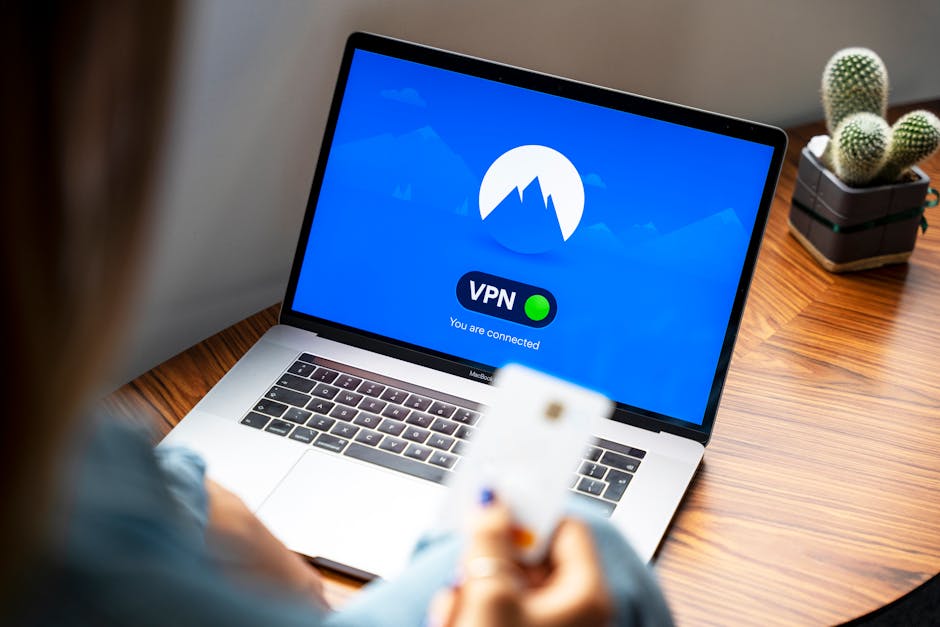
Next, consider the power of a Virtual Private Network (VPN). A reputable VPN service encrypts all your internet traffic and routes it through a secure server, effectively masking your IP address and making your online activities private and anonymous. This is especially crucial when using public Wi-Fi networks, as a VPN creates a secure tunnel, protecting your data from eavesdroppers and Man-in-the-Middle attacks. It’s like putting an opaque, armored shell around your internet connection, making it impossible for anyone to peek inside. Look for VPNs with a strict no-logs policy, strong encryption standards, and a kill switch feature that automatically disconnects your internet if the VPN connection drops. Beyond network security, ensure you have reliable antivirus and anti-malware software installed on all your devices (computers, smartphones, tablets). Keep it updated and run regular scans. These tools act as your digital immune system, detecting and neutralizing threats that might slip past your initial skepticism. Furthermore, always keep your operating system, web browsers, and all applications updated to their latest versions. Software updates frequently include critical security patches that fix vulnerabilities attackers could exploit, closing those potential backdoors before they can be leveraged by a malicious click.
Finally, consider browser security extensions and privacy-focused browser settings. Extensions like ad blockers (uBlock Origin, AdGuard) not only improve your browsing experience by removing intrusive ads but also often block malicious scripts and trackers. Script blockers (like NoScript) can prevent potentially harmful scripts from running on websites, though they require a bit more technical know-how. Regularly review and adjust your browser's privacy settings, opting for stricter controls over cookies, third-party tracking, and site permissions. Also, remember to perform regular backups of your important data. In the unfortunate event of a ransomware attack or significant data loss due to a malicious click, having a recent backup ensures you can restore your files without resorting to paying a ransom or losing precious memories. By diligently implementing these proactive measures and leveraging these powerful tools, you're not just reacting to threats; you're actively constructing a formidable digital fortress around your personal information, significantly reducing the attack surface and making that single, privacy-exposing click a much less likely scenario.
The Privacy Mindset: Cultivating a Culture of Vigilance
Beyond specific tools and immediate actions, the ultimate defense against the "one-click" privacy trap lies in cultivating a pervasive "privacy mindset" – a continuous culture of vigilance that permeates every aspect of your digital life. This involves a commitment to data minimization, which means consciously limiting the amount of personal information you share online. Before signing up for a new service or filling out a form, ask yourself: "Is all this information truly necessary?" The less data you put out there, the less there is for attackers to steal or exploit. Regularly review the privacy settings on all your social media accounts, email services, and apps. These settings often default to less private options, and a quick audit can reveal that you're sharing more information than you intended. Take the time to understand what data these services collect and how they use it, and adjust settings to your comfort level. This proactive management of your digital footprint is an ongoing task, as platforms frequently update their policies and settings, so regular checks are essential.
Furthermore, cultivate a habit of digital hygiene. This includes regularly clearing your browser's cache and cookies, especially after visiting suspicious sites. Be mindful of the permissions you grant to apps on your smartphone; many apps request access to your camera, microphone, or contacts, even when it's not essential for their core functionality. Review these permissions periodically and revoke any that seem excessive or unnecessary. Consider using privacy-focused search engines (like DuckDuckGo) and browsers (like Brave or Firefox with enhanced tracking protection) that are designed to minimize data collection. Educate yourself continuously about emerging threats and new social engineering tactics. Cybersecurity is a constantly evolving field, and staying informed about the latest scams and vulnerabilities empowers you to recognize and avoid them. Read reputable cybersecurity blogs, follow trusted experts, and subscribe to security newsletters. This ongoing education transforms you from a passive user into an active participant in your own digital defense, making you much more resilient to the subtle deceptions that lead to that privacy-exposing click.
Finally, remember that human error is often the weakest link in any security chain. A moment of distraction, a lapse in judgment, or an overwhelming sense of urgency can undo all the technical safeguards you've put in place. Therefore, the privacy mindset also involves fostering patience and critical evaluation in every digital interaction. If you receive an unexpected message, take a moment to breathe, assess the situation, and verify its legitimacy through independent means. Don't let fear or excitement rush you into a decision. By embedding these principles into your daily digital routine, you're not just building a fortress; you're becoming a vigilant sentinel, capable of identifying and neutralizing threats before they can compromise your privacy. It's a journey, not a destination, but one that is absolutely essential in our interconnected world, ensuring that your digital life remains truly your own, protected from the insidious power of that one fateful click.