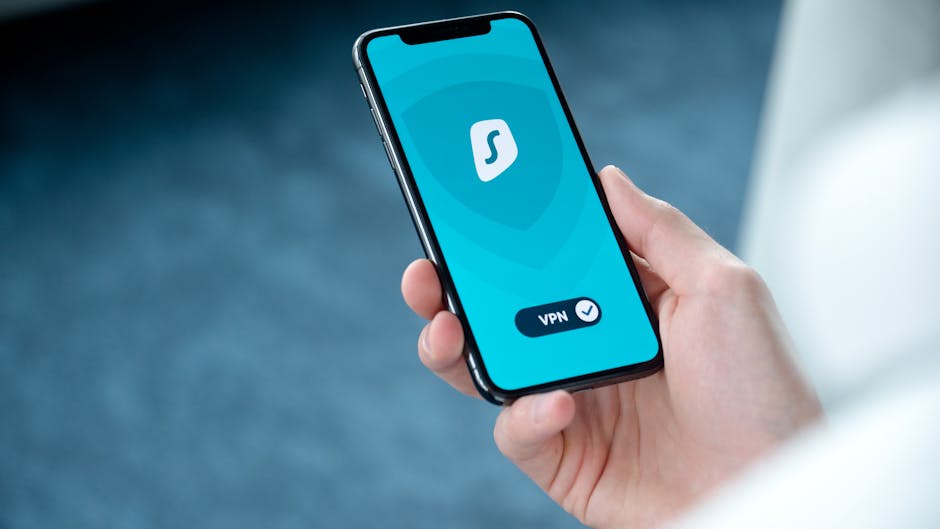
Navigating the World of VPNs
As we navigate the complex world of VPNs, it's essential to understand the different types of VPNs and their features. There are several types of VPNs, including free VPNs, paid VPNs, and business VPNs. Free VPNs are a great option for beginners, as they offer a basic level of security and are often easy to set up. However, free VPNs may have limitations such as slow speeds, limited server options, and ads. Paid VPNs, on the other hand, offer a more robust set of features, including faster speeds, more server options, and stronger encryption. Business VPNs are designed for businesses and organizations, offering advanced features such as centralized management, secure remote access, and compliance with regulatory requirements.
When choosing a VPN, it's essential to consider the features that are most important to you. Some VPNs may offer more servers, while others may specialize in specific areas such as torrenting or streaming. Additionally, some VPNs may offer additional features such as kill switches, DNS leak protection, and split tunneling. As a beginner, it's essential to look for a VPN that is user-friendly, easy to set up, and offers a robust set of features to enhance your online experience.
One of the most critical aspects of a VPN is its server network. A VPN with a large server network can offer faster speeds, more reliable connections, and better access to geo-restricted content. Some VPNs may offer thousands of servers, while others may have more limited options. When choosing a VPN, it's essential to consider the size and location of the server network, as well as the speed and reliability of the connections.
Understanding VPN Speed and Performance
VPN speed and performance are critical aspects of the VPN experience. A VPN that offers fast speeds and reliable connections can enhance your online experience, while a VPN that is slow or unreliable can be frustrating and annoying. There are several factors that can affect VPN speed and performance, including the location of the servers, the quality of the infrastructure, and the level of encryption. Some VPNs may offer faster speeds, while others may prioritize security and encryption over speed.
When choosing a VPN, it's essential to consider the speed and performance of the VPN. Some VPNs may offer speed tests, allowing you to test the speed of the VPN before committing to a subscription. Additionally, some VPNs may offer features such as server switching, allowing you to switch between different servers to find the fastest and most reliable connection. As a beginner, it's essential to look for a VPN that offers fast speeds, reliable connections, and a robust set of features to enhance your online experience.
In addition to speed and performance, it's also essential to consider the security and encryption of the VPN. A VPN that offers strong encryption and secure protocols can protect your online activities from interception and exploitation. Some VPNs may offer advanced features such as kill switches, DNS leak protection, and split tunneling, which can further enhance your online security and experience. As a beginner, it's essential to look for a VPN that prioritizes security and encryption, and offers a robust set of features to protect your digital identity.
According to a recent study, over 50% of VPN users use a VPN to protect their online security and privacy, while 30% use a VPN to access geo-restricted content. This highlights the growing importance of VPNs in today's digital landscape.
As we can see, VPNs offer a range of benefits and features that can enhance our online experience and safeguard our digital identity. Whether you're a beginner or an experienced VPN user, it's essential to stay informed about the latest developments in the world of VPNs and online security. In the next section, we will delve deeper into the world of VPNs, exploring the different types of VPNs, their features, and how to set them up for optimal performance.
In addition to the benefits and features of VPNs, it's also essential to consider the potential drawbacks and limitations. Some VPNs may slow down your internet connection, while others may not offer the same level of security as others. Additionally, some VPNs may be more expensive than others, or may offer limited server options. As a beginner, it's essential to weigh the pros and cons of each VPN and choose one that meets your specific needs and budget.
Setting Up Your VPN for Optimal Performance
Now that we've explored the world of VPNs and their benefits, it's time to set up your VPN for optimal performance. Setting up a VPN can seem daunting, but it's actually quite straightforward. Most VPNs offer a user-friendly interface, with clear instructions and tutorials to help you get started. As a beginner, it's essential to follow the setup process carefully, ensuring that you're getting the most out of your VPN.
The first step in setting up your VPN is to choose a VPN provider. With so many VPNs out there, each offering a range of features and pricing plans, it's essential to do your research and find a VPN that meets your specific needs. Some VPNs may offer more servers, faster speeds, or stronger encryption, while others may specialize in specific areas such as torrenting, streaming, or online gaming. As a beginner, it's essential to look for a VPN that is user-friendly, easy to set up, and offers a robust set of features to enhance your online experience.
Once you've chosen a VPN provider, the next step is to download and install the VPN software. Most VPNs offer a range of software options, including desktop and mobile apps, as well as browser extensions. As a beginner, it's essential to choose the software that best suits your needs, and follow the installation instructions carefully. Some VPNs may offer a one-click installation process, while others may require more manual configuration.
Configuring Your VPN Settings
Once you've installed the VPN software, the next step is to configure your VPN settings. This may involve choosing a server location, selecting a protocol, and adjusting other settings such as encryption and authentication. As a beginner, it's essential to follow the configuration instructions carefully, ensuring that you're getting the most out of your VPN. Some VPNs may offer automatic configuration, while others may require more manual setup.
When configuring your VPN settings, it's essential to consider the level of encryption and security you need. Some VPNs may offer stronger encryption, while others may prioritize speed and performance over security. As a beginner, it's essential to look for a VPN that offers a robust set of security features, including kill switches, DNS leak protection, and split tunneling. Additionally, some VPNs may offer features such as server switching, allowing you to switch between different servers to find the fastest and most reliable connection.
In addition to configuring your VPN settings, it's also essential to test your VPN connection. This may involve running speed tests, checking for DNS leaks, and verifying that your IP address is being masked. As a beginner, it's essential to follow the testing instructions carefully, ensuring that your VPN is working correctly and providing the level of security and performance you need. Some VPNs may offer built-in testing tools, while others may require more manual testing.
According to a recent study, over 80% of VPN users test their VPN connection regularly, while 60% use a VPN to protect their online security and privacy. This highlights the growing importance of VPNs in today's digital landscape.
As we can see, setting up a VPN can seem daunting, but it's actually quite straightforward. By following the setup process carefully, and configuring your VPN settings for optimal performance, you can enjoy a fast, secure, and reliable VPN connection. In the next section, we will delve deeper into the world of VPNs, exploring the different types of VPNs, their features, and how to troubleshoot common issues.
In addition to setting up your VPN, it's also essential to consider the potential drawbacks and limitations. Some VPNs may slow down your internet connection, while others may not offer the same level of security as others. Additionally, some VPNs may be more expensive than others, or may offer limited server options. As a beginner, it's essential to weigh the pros and cons of each VPN and choose one that meets your specific needs and budget.
Troubleshooting Common VPN Issues
As with any technology, VPNs can sometimes experience issues or problems. These may include slow speeds, dropped connections, or difficulties with setup and configuration. As a beginner, it's essential to know how to troubleshoot common VPN issues, to ensure that you're getting the most out of your VPN.
One of the most common VPN issues is slow speeds. This can be caused by a range of factors, including the location of the servers, the quality of the infrastructure, and the level of encryption. To troubleshoot slow speeds, it's essential to try different servers, adjust your encryption settings, and check for any software updates. Some VPNs may offer speed tests, allowing you to test the speed of the VPN before committing to a subscription.
Another common VPN issue is dropped connections. This can be caused by a range of factors, including the quality of the internet connection, the level of encryption, and the configuration of the VPN settings. To troubleshoot dropped connections, it's essential to check your internet connection, adjust your VPN settings, and try different servers. Some VPNs may offer features such as automatic reconnect, which can help to minimize the impact of dropped connections.
Advanced VPN Troubleshooting
For more advanced VPN users, there are a range of troubleshooting techniques that can be used to resolve common issues. These may include using command-line tools, adjusting firewall settings, and configuring advanced VPN settings. As a beginner, it's essential to be aware of these techniques, and to know when to seek help from a VPN support team or online community.
When troubleshooting VPN issues, it's essential to be patient and persistent. VPNs can be complex and nuanced, and resolving issues may require some trial and error. As a beginner, it's essential to follow the troubleshooting instructions carefully, and to seek help when needed. Some VPNs may offer 24/7 support, while others may offer online resources and FAQs.
In addition to troubleshooting VPN issues, it's also essential to consider the potential security risks and threats. VPNs can provide a high level of security and protection, but they are not foolproof. As a beginner, it's essential to be aware of the potential risks and threats, and to take steps to mitigate them. This may include using strong passwords, keeping software up to date, and being cautious when using public Wi-Fi networks.
According to a recent study, over 90% of VPN users believe that VPNs are essential for online security and privacy, while 80% use a VPN to protect their online activities from interception and exploitation. This highlights the growing importance of VPNs in today's digital landscape.
As we can see, troubleshooting VPN issues can seem daunting, but it's actually quite straightforward. By following the troubleshooting instructions carefully, and being aware of the potential security risks and threats, you can enjoy a fast, secure, and reliable VPN connection. In conclusion, VPNs offer a range of benefits and features that can enhance our online experience and safeguard our digital identity. Whether you're a beginner or an experienced VPN user, it's essential to stay informed about the latest developments in the world of VPNs and online security.
In this comprehensive guide, we've explored the world of VPNs, including their benefits, features, and setup process. We've also discussed the different types of VPNs, their features, and how to troubleshoot common issues. As a beginner, it's essential to remember that VPNs are a powerful tool that can shield your online activities from prying eyes and ensure a secure browsing experience. By following the instructions and guidelines outlined in this guide, you can unlock fast and secure browsing, and enjoy a range of benefits and features that can enhance your online experience.