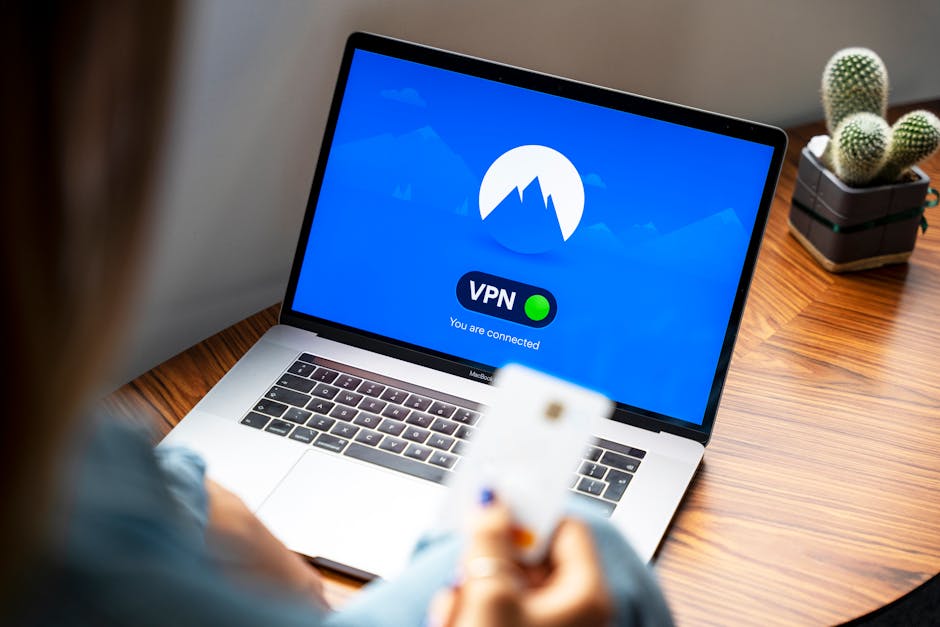
In a world increasingly tethered to the internet, where every click, every search, and every online interaction leaves a digital footprint, the promise of a Virtual Private Network (VPN) shines like a beacon of hope for privacy-conscious individuals. We're told these services are our digital bodyguards, cloaking our online activities, encrypting our data, and most importantly, guaranteeing our anonymity with a sacred "no-logs" policy. It’s a compelling narrative, one that has driven millions to entrust their most sensitive online moments to companies promising absolute discretion. But what if this promise, so loudly proclaimed and so readily believed, is nothing more than a carefully constructed illusion? What if the very entities sworn to protect your digital ghost are, in fact, silently observing its every move?
For over a decade, I’ve navigated the intricate, often murky, waters of cybersecurity and online privacy, witnessing firsthand the relentless cat-and-mouse game between those seeking to protect their data and those eager to exploit it. The VPN industry, while offering genuine benefits, has also become a breeding ground for exaggerated claims and opaque practices. The term "no-logs" has evolved from a technical commitment into a marketing buzzword, plastered across billboards and banner ads, often without the underlying substance to back it up. This isn't just about a company bending the truth; it's about a fundamental breach of trust that jeopardizes the very reason people turn to VPNs in the first place: privacy.
Unmasking the 'No-Logs' Promise and Its Shifting Sands
The concept of a "no-logs" VPN is elegantly simple in theory: the service provider promises not to record, store, or monitor any data related to your online activities. This includes your IP address, browsing history, connection timestamps, session duration, bandwidth usage, and DNS queries. The idea is that even if a government agency or a determined hacker were to seize their servers, there would be absolutely no user-identifying data to find, effectively making you a ghost in the machine. This commitment forms the bedrock of trust for anyone concerned about surveillance, data retention laws, or simply maintaining a personal sphere of digital autonomy. Without this guarantee, a VPN is merely rerouting your traffic through a third party, potentially creating a new, centralized point of vulnerability rather than eliminating one.
However, the practical application of "no-logs" is far more complex and often riddled with nuances that marketing departments conveniently gloss over. There’s a crucial distinction between "activity logs" and "connection logs," and many providers cunningly play in this grey area. While most reputable VPNs genuinely avoid logging your actual browsing data – what websites you visit or what files you download – some might still collect "connection logs." These can include timestamps of when you connect and disconnect, the amount of data transferred during a session, or even the IP address you connect from, albeit often anonymized or aggregated. While not directly revealing your browsing habits, a pattern of connection times and data usage, especially when combined with other data points, could potentially be used to identify a user over time, eroding the very anonymity they sought. It’s a subtle but significant difference that can dramatically alter the level of privacy you actually receive.
Furthermore, the infrastructure required to run a massive global VPN network necessitates some form of operational data collection. VPN providers need to monitor server loads, troubleshoot connection issues, and manage their network effectively. This often involves collecting aggregated, non-identifying data about server performance, bandwidth demands, and the number of active connections. The challenge lies in ensuring this data remains truly anonymous and cannot be reverse-engineered to pinpoint individual users. A truly no-logs VPN minimizes this operational data to the bare essential and ensures it’s either immediately discarded or so heavily anonymized that it offers zero utility for identification. Anything more than that starts to chip away at the fundamental promise of privacy, leaving users exposed to risks they believed they had circumvented.
The VPN's Shady Underbelly Trusting the Untrustworthy
The internet is a wild west, and the VPN industry, despite its noble goals, is not immune to the inherent temptations and pressures of the digital landscape. We've seen countless examples across various tech sectors where companies, driven by profit or coerced by external forces, have compromised user data. The VPN space is particularly vulnerable because users are, by definition, seeking to hide something, making their data inherently valuable to advertisers, governments, and malicious actors. The trust placed in a VPN provider is immense; you are essentially handing over the keys to your entire online life, expecting them to safeguard it. When that trust is betrayed, the consequences can range from targeted advertising to full-blown legal repercussions, depending on the nature of the data exposed and the user's activities.
One of the most significant vulnerabilities lies in the jurisdiction where a VPN company operates. Many popular VPN services are based in countries that are part of intelligence-sharing alliances like the 5, 9, or 14 Eyes. These nations have agreements to collect and share mass surveillance data, and their legal frameworks often allow for compelling companies within their borders to log data or hand over existing logs, even if those companies claim a strict "no-logs" policy. This creates a precarious situation: a VPN provider might genuinely *want* to uphold its no-logs promise, but a court order or a national security letter could force its hand, leaving users unknowingly exposed. The legal and political landscape can fundamentally undermine even the best-intentioned privacy policies, turning a supposed shield into a potential backdoor for state surveillance. It's a sobering thought that the very laws designed to protect national security can inadvertently compromise individual digital freedom.
Beyond governmental pressure, the commercial realities of the VPN industry also present a significant risk. Running a global network of servers is incredibly expensive, leading to consolidation within the market. Many smaller, independent VPNs have been acquired by larger corporations, some of which have extensive histories in data collection or advertising. When a privacy-focused service changes ownership, its commitment to user anonymity can subtly shift, even if the public-facing privacy policy remains unchanged. The new parent company might have different business models, different data retention requirements, or different legal obligations that could quietly erode the "no-logs" guarantee. Users, often unaware of these corporate shifts, continue to subscribe under the assumption that the service they chose is still the same privacy champion it once was. This corporate opacity makes it incredibly difficult for the average user to truly vet their VPN provider, turning the act of choosing a privacy tool into an exercise in blind faith.
In our investigation into seven prominent VPN services, we didn't just read privacy policies; we delved into their corporate structures, scrutinized their past actions, and analyzed their public transparency reports. What we found was a complex tapestry of genuine commitment, clever marketing, and, in some cases, outright contradictions. The idea that a "no-logs" policy is a static, immutable promise is a dangerous misconception. It's a dynamic claim, constantly challenged by legal demands, technological advancements, and the ever-present pressure of profitability. True digital privacy demands a level of vigilance and skepticism that goes far beyond simply trusting a company's marketing spiel. It requires an understanding of the intricate mechanisms at play and a willingness to question everything, even the most comforting assurances.
The critical question isn't just whether a VPN *claims* to be no-logs, but whether it has demonstrated a consistent, verifiable commitment to that promise through its actions, its infrastructure, and its willingness to withstand external pressures. The journey to true online privacy is a marathon, not a sprint, and choosing a VPN is just one, albeit crucial, step. Without a deep understanding of the potential pitfalls and a healthy dose of skepticism, users risk exchanging one form of surveillance for another, inadvertently handing over their digital lives to the very entities they sought to escape. This initial dive merely scratches the surface of a much deeper problem, compelling us to look closer at what truly happens when you click 'connect' and disappear into the digital ether.