The Future Landscape AI-Driven Blocks and the Enduring Fight for Digital Freedom
As we delve deeper into 2024 and beyond, the technological arms race between streaming services and VPN providers shows no signs of abating; in fact, it's poised to become even more sophisticated. The next frontier in geo-blocking is likely to be heavily influenced by artificial intelligence and machine learning. Imagine algorithms that can analyze vast datasets of network traffic, not just for known VPN signatures, but for subtle, evolving patterns that indicate attempts to circumvent restrictions. These AI systems could learn and adapt in real-time, making it exponentially harder for VPNs to maintain consistent access. They could identify behavioral anomalies, such as multiple concurrent connections from a single IP to diverse global services, or unusual traffic flows that deviate from typical user behavior. This predictive and adaptive blocking capability would represent a significant leap forward in geo-restriction enforcement, demanding an equally sophisticated response from VPN providers.
The implications of AI-driven geo-blocks are profound. VPNs would need to evolve beyond simple obfuscation to employ even more advanced techniques, perhaps mimicking human browsing patterns more closely, or developing AI-powered server networks that can predict and pre-empt detection. This would require even greater investment in R&D, potentially consolidating the market further, leaving fewer players capable of competing effectively. The cost of maintaining a truly effective streaming VPN could skyrocket, potentially impacting subscription prices or forcing smaller providers out of the market entirely. We might see a future where only a handful of mega-VPNs have the resources and technological prowess to consistently bypass these next-generation blocks. It’s a chilling thought for digital freedom advocates, as it could lead to even greater fragmentation of online content and a more restrictive internet experience for the global user base. The concept of a truly open, borderless internet for entertainment could become an increasingly distant dream for many.
Beyond the Streaming Screen The Broader Implications of a Strong VPN
While our focus has been squarely on unlocking streaming services, it's crucial to remember that a truly robust VPN offers far more than just entertainment access. The very same technologies and commitments that allow a VPN to bypass geo-blocks for Netflix are also instrumental in safeguarding your online privacy and security in a world teeming with digital threats. A premium VPN encrypts your entire internet connection, shielding your data from prying eyes – whether it's your Internet Service Provider (ISP) tracking your browsing habits, government surveillance, or malicious actors attempting to intercept your sensitive information on public Wi-Fi networks. In an era of rampant data breaches, identity theft, and increasing governmental oversight, the fundamental privacy and security benefits of a strong VPN are more vital than ever, transcending mere entertainment to become an essential tool for digital citizenship.
"The fight for streaming access is a proxy war for broader digital rights. A VPN that can bypass content blocks is inherently a tool for privacy and freedom, essential in an increasingly surveilled and censored online world." - Dr. Eleanor Vance, Digital Rights Activist.
Consider the implications for freedom of speech and access to information. In many parts of the world, governments actively censor internet content, blocking access to news sites, social media platforms, and educational resources. A reliable VPN, with its ability to circumvent geo-restrictions and mask your true location, becomes a lifeline for individuals living under oppressive regimes, allowing them to access unbiased information, communicate securely, and express themselves freely. The obfuscation technologies developed to fool streaming services are equally effective at bypassing national firewalls. Therefore, investing in a VPN that excels at unblocking streaming content is, in essence, an investment in a tool that protects your fundamental human rights in the digital sphere. It’s about more than just watching a movie; it’s about maintaining a secure, private, and uncensored connection to the global internet, a truly invaluable asset in 2024.
Moreover, a quality VPN protects you from targeted advertising and price discrimination. Websites and online retailers often track your IP address and browsing history to tailor ads and even adjust prices based on your perceived location or economic status. By masking your IP and encrypting your traffic, a VPN helps you reclaim control over your digital footprint, potentially allowing you to find better deals on flights, software, or online subscriptions by appearing to browse from different regions. It’s a subtle but powerful way to push back against the omnipresent data harvesting that defines much of the modern internet experience. The continuous evolution of network security, driven by the intense competition in the VPN market, ultimately benefits all internet users by pushing the boundaries of what's possible in terms of privacy, security, and access. The ongoing arms race, while frustrating for streamers at times, is inadvertently driving innovation that serves a much broader purpose than just unlocking Netflix.
The Lifelong Journey of Digital Access Navigating the Shifting Sands
It's important to approach the world of VPNs and streaming with a realistic understanding: this is a lifelong journey, not a one-time fix. The digital landscape is constantly shifting, with streaming services continually updating their detection methods and VPNs ceaselessly adapting their bypass strategies. What works perfectly today might face a temporary hiccup tomorrow. This dynamic environment means that staying informed, being flexible, and choosing a VPN provider that is committed to this ongoing battle is paramount. A good VPN provider isn't just selling you a service; they're offering a partnership in maintaining your digital access, a commitment to continually evolve their technology to meet new challenges head-on. This requires trust, transparency, and a shared understanding that perfect, uninterrupted access cannot be guaranteed 100% of the time, but consistent effort towards that goal can be.
The rise of quantum computing, while still largely theoretical for practical applications in the immediate future, looms as a distant but potential game-changer for encryption itself. If quantum computers ever become powerful enough to break current encryption standards, the entire foundation of VPN security would be challenged. While this is a far-off concern, it highlights the need for VPN providers to constantly research and develop future-proof technologies, anticipating threats that haven't even fully materialized yet. For now, the more immediate threat lies in the ever-increasing sophistication of AI-driven geo-blocking and the relentless efforts of content distributors to enforce their regional agreements. The takeaway is clear: choose a VPN that demonstrates a strong track record of innovation, robust infrastructure, and a proactive approach to overcoming obstacles. This commitment to continuous improvement is the only true guarantee of sustained access in the ever-evolving digital frontier, ensuring that your investment in a VPN remains valuable for the long haul.
Your Ultimate Playbook for Uninterrupted Global Streaming
Navigating the complex world of VPNs and geo-blocked streaming can feel like a daunting task, but with the right knowledge and tools, you can transform your digital entertainment experience from one of frustration to one of boundless possibility. The key lies not just in picking a "good" VPN, but in understanding your specific needs, knowing how to set up your chosen service effectively, and being equipped with troubleshooting tips for when the inevitable minor hiccups occur. Think of this as your personal user manual, designed to empower you to take control of your streaming destiny in 2024 and beyond. We’re moving past the theoretical and diving headfirst into actionable advice, ensuring that you can confidently unlock the global content libraries you desire, without the usual headaches and technical jargon.
The first and most crucial step is making an informed decision about which VPN champion best suits your individual circumstances. While we've highlighted the elite contenders, your personal priorities will dictate the ultimate choice. Do you primarily stream Netflix US, or are you more interested in BBC iPlayer and European sports? Do you need blazing fast speeds for 4K streaming on multiple devices, or is consistent HD sufficient for a single user? Is budget a primary concern, or are you willing to invest in the absolute best for maximum reliability? These questions are not rhetorical; they form the foundation of your selection process. Take a moment to jot down your top 2-3 streaming services, the countries you want to access, and your typical internet usage habits. This clarity will significantly narrow down your options and lead you to the most suitable provider, preventing buyer's remorse and ensuring a smoother experience from day one.
Choosing Your Champion A Detailed Selection Guide
- Identify Your Primary Streaming Services and Regions: This is paramount. If Netflix US is your holy grail, prioritize VPNs with a proven, consistent track record there. If it's BBC iPlayer, ensure the VPN has strong, reliable UK servers optimized for that specific platform. Some VPNs are stronger in certain regions or with particular services than others. Don't assume universal perfection; verify performance for your target content.
- Assess Speed and Performance Needs: For 4K streaming, you'll need consistently high speeds, typically above 25 Mbps. For HD, 5-10 Mbps is usually sufficient. Consider your current internet speed and choose a VPN known for minimal speed degradation, especially over long distances. Read recent speed test reviews from reputable sources.
- Evaluate Server Network Size and Distribution: The more servers a VPN has, and the wider their geographical spread, the more options you have for bypassing blocks. A large network also means less overcrowding on individual servers, leading to better performance and more available IP addresses. Look for VPNs with servers in every country you anticipate needing access to.
- Prioritize Geo-Bypass Technology and Obfuscation: This is the core of the matter. Ensure the VPN explicitly mentions features designed to bypass geo-blocks, such as custom protocols (e.g., Lightway, NordLynx), obfuscated servers, or a "NoBorders" mode. These are the tools that actually defeat DPI and advanced detection systems.
- Consider Device Compatibility and User Experience: Will you be streaming on a smart TV, a laptop, a tablet, or a gaming console? Ensure the VPN has dedicated, user-friendly apps for all your devices. Router-level VPN setup might be an option for devices that don't support VPN apps directly. An intuitive interface saves time and frustration.
- Examine Customer Support Quality: 24/7 live chat support is ideal. Test it out before committing; ask a specific question about streaming Netflix from a particular region. Knowledgeable and responsive support is invaluable when geo-blocks inevitably shift or you encounter a rare issue.
- Review Privacy Features and Audits: While streaming is the goal, don't compromise on security. Look for a strict no-logs policy (ideally independently audited), strong encryption (AES-256), a kill switch, and DNS leak protection. A VPN that protects your privacy is a VPN you can trust for all your online activities.
- Look for a Money-Back Guarantee: A generous money-back guarantee (typically 30 days) allows you to test the VPN thoroughly with your specific streaming services before committing long-term. This is your safety net if it doesn't meet your expectations.
Setting Up Your VPN for Streaming Success A Step-by-Step Guide
Once you've chosen your champion, getting it set up for optimal streaming performance is straightforward, but a few key steps can make all the difference. Don't just install and connect; follow this guide to maximize your chances of uninterrupted global entertainment.
- Download and Install the VPN Application: Head to the official website of your chosen VPN provider. Download the correct application for your operating system (Windows, macOS, Android, iOS, Linux) or smart TV platform (Android TV, Fire TV Stick). Follow the on-screen instructions for installation. Avoid third-party download sites to prevent malware.
- Log In and Select Your Server Location: Open the VPN app and log in with your credentials. Browse the list of server locations. If you want to access Netflix US, select a server in the United States. For BBC iPlayer, choose a UK server. For services with optimized streaming servers, select those specifically labeled.
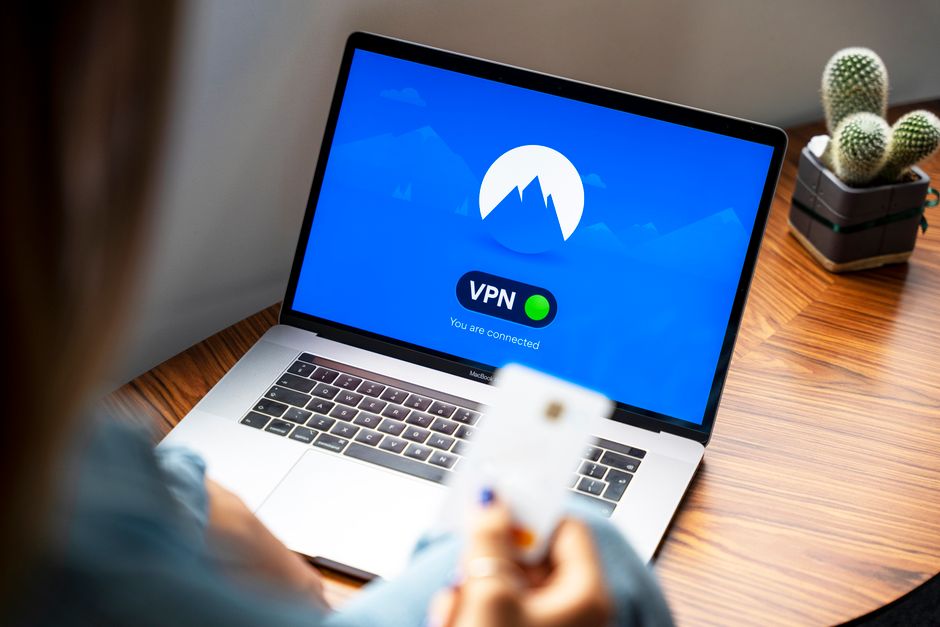
- Connect to the VPN Server: Click the "Connect" button. The app will establish a secure connection, and your IP address will now appear to be from the selected location. You should see an indicator (often green or a checkmark) confirming your connection.
- Clear Your Browser's Cache and Cookies: This is a crucial step! Streaming services store cookies and cache data in your browser that might reveal your true location, even with a VPN connected. Before accessing a geo-restricted service, clear your browser's cache and cookies. For most browsers, you can find this option in the settings under "Privacy and Security" or "History." Alternatively, use an incognito/private browsing window, which doesn't store cookies from previous sessions.
- Verify Your Connection (Optional but Recommended): Go to a website like `whatismyipaddress.com` or `iplocation.net`. It should show the IP address and location of your VPN server, not your true location. You can also perform a DNS leak test on sites like `dnsleaktest.com` to ensure your DNS requests aren't revealing your actual location.
- Launch Your Streaming Service: With your VPN connected and cache cleared, open your desired streaming service (e.g., Netflix, Hulu, BBC iPlayer). You should now be able to access the content library of the region you selected. Enjoy your show!
Advanced Tips and Troubleshooting for the Savvy Streamer
Even with the best VPNs, the cat-and-mouse game means occasional challenges can arise. Here are some advanced tips and troubleshooting strategies to keep your global streaming flowing smoothly:
- Switch Servers: If a particular server isn't working for a streaming service, don't panic. Simply disconnect from that server and try connecting to a different server within the same country. Streaming services often block individual IP addresses or small ranges, so switching to another server often resolves the issue instantly.
- Try a Different VPN Protocol: Most VPN apps allow you to change the VPN protocol (e.g., OpenVPN, WireGuard, IKEv2, proprietary protocols). If you're having trouble, experiment with different protocols. Some might be more effective at bypassing specific geo-blocks or offer better speeds in certain network conditions. Obfuscated protocols are usually the best bet for streaming.
- Use a Different Browser: Sometimes, browser-specific settings or extensions can interfere with VPN functionality or reveal your location. If one browser isn't working, try another (e.g., if Chrome isn't working, try Firefox or Edge). A fresh, clean browser installation can sometimes resolve persistent issues.
- Contact Customer Support: This is where a premium VPN truly shines. If you've tried the above steps and are still facing issues, contact your VPN's customer support immediately. They often have real-time information on which specific servers are currently working for various streaming services and can provide tailored advice. Don't hesitate to use their expertise.
- Check for Updates: Ensure both your VPN application and your streaming service apps are updated to their latest versions. Updates often contain bug fixes, performance enhancements, and, for VPNs, new geo-bypass strategies.
- Consider Router-Level VPN: For ultimate convenience, especially for smart TVs, gaming consoles, or other devices that don't support VPN apps, consider setting up your VPN directly on your router. This encrypts all traffic passing through your home network, making every connected device appear to be in the VPN's chosen location. This is more complex to set up but provides a seamless experience for all devices.
- Stay Informed: Follow tech news, VPN review sites, and your VPN provider's blog. They often share updates on streaming performance, new features, and troubleshooting tips. Staying informed helps you anticipate and quickly resolve any potential issues.
The journey to unlocking every streaming service is an ongoing one, a testament to the dynamic nature of the internet. But with the right tools, knowledge, and a commitment to staying informed, you can confidently navigate this landscape. The frustration of geo-blocks doesn't have to be your reality. Instead, embrace the power of a truly effective VPN, and transform your screen into a portal to endless global entertainment. The world of stories, documentaries, and live events awaits, unbound by digital borders, ready for you to explore.