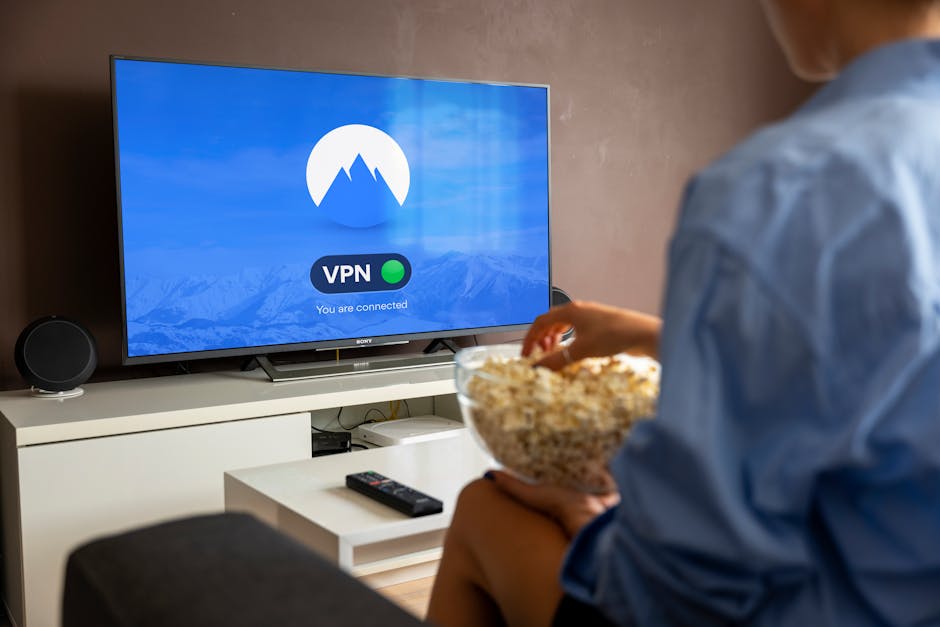
The frustration of geo-blocking, while understandable from a corporate licensing perspective, has paved the way for ingenious technological solutions, chief among them the Virtual Private Network, or VPN. For years, VPNs were primarily tools for corporate security, encrypting sensitive data and allowing remote workers to securely access internal networks. However, their underlying mechanism—the ability to mask a user's true IP address and route their internet traffic through a server in a different geographical location—proved to be the perfect key to unlock Netflix's global content vault. It's a digital sleight of hand, a clever maneuver that makes your device appear to be somewhere it isn't, thus tricking streaming services into granting access to their localized libraries. This transformation of a cybersecurity tool into a global entertainment passport is a testament to human ingenuity and our persistent desire to overcome digital barriers, turning a technical solution into a gateway for boundless streaming possibilities.
Understanding how a VPN works is crucial to appreciating its power in the context of streaming. When you connect to the internet normally, your device is assigned an IP address by your Internet Service Provider (ISP), which acts like your digital mailing address, revealing your approximate geographical location. Streaming services like Netflix use this IP address to determine which regional library to show you. When you activate a VPN, however, your internet traffic is first encrypted and then routed through a server operated by the VPN provider, which could be located anywhere in the world. Your device then takes on the IP address of that VPN server, effectively masking your real location. So, if you're in the United States but connect to a VPN server in Japan, Netflix sees a Japanese IP address and presents you with the Japanese library, complete with its unique anime collection and local films. It's a simple yet incredibly effective trick, and it forms the very foundation of the "VPN hack" that Hollywood, with its vested interest in maintaining territorial licensing, would rather you not discover.
Unmasking the Digital Disguise How VPNs Trick the Internet
At its core, a Virtual Private Network creates a secure, encrypted tunnel between your device and a server operated by the VPN provider. When you connect to the internet without a VPN, your data travels directly from your device to websites and services, with your ISP acting as the intermediary, openly exposing your IP address and online activities. This IP address is a unique numerical label, much like a street address, that identifies your device on the internet and, crucially for streaming services, reveals your geographical location. Netflix, for instance, performs a quick IP lookup when you visit its site, and based on the country associated with that IP, it serves up the corresponding content library. This is the fundamental mechanism behind geo-blocking, a digital gatekeeper that prevents you from accessing content licensed for other regions.
When you fire up your VPN app and choose a server location—say, London, England—a few critical things happen almost instantaneously. First, your internet traffic is encrypted, scrambling your data into an unreadable format. This encryption protects your online activities from prying eyes, including your ISP, government agencies, and potential cybercriminals. More pertinent to our discussion, this encrypted data is then rerouted through the VPN server in London. From Netflix's perspective, or any website you visit, your connection now appears to originate from that London server. Your real IP address, which points to your actual location, is completely hidden, replaced by the IP address of the VPN server. This digital masquerade is what allows you to bypass geo-restrictions: Netflix simply sees an IP address from the UK and dutifully presents you with the content library licensed for British viewers, completely unaware that you might actually be streaming from thousands of miles away in, say, Argentina or Thailand.
The brilliance of this system lies in its simplicity and effectiveness. It leverages the very architecture of the internet to create a virtual presence in a different country. The VPN acts as an intermediary, a digital proxy that stands between you and the rest of the web, ensuring that your true identity and location remain concealed. This isn't just about changing your IP address; it's about creating an entirely new network identity for your device, one that can be shifted and changed at will by simply selecting a different server location within your VPN app. The robust server networks maintained by top-tier VPN providers are the backbone of this capability, offering thousands of servers in dozens, sometimes hundreds, of countries, each ready to become your temporary digital domicile. This expansive reach ensures that no matter where in the world a coveted Netflix library might reside, there's usually a VPN server waiting to grant you access, making the dream of a truly global streaming experience a tangible reality for anyone willing to invest in the right tools.
The Unending Chess Match Netflix's Vows and VPNs' Victories
While the concept of using a VPN to bypass geo-restrictions sounds straightforward, the reality is a constant, high-stakes cat-and-mouse game between streaming giants like Netflix and the VPN providers. Netflix, under immense pressure from content owners to uphold licensing agreements, has invested heavily in sophisticated VPN detection technologies. They employ various methods to identify and block IP addresses associated with VPNs, ranging from blacklisting known VPN server IPs to more advanced techniques like deep packet inspection and analyzing connection patterns that might suggest a VPN is in use. When Netflix detects a VPN, you're usually met with the dreaded "You seem to be using an unblocker or proxy" error message, effectively shutting down your access to any content, local or otherwise. This isn't a minor annoyance; it's a deliberate and aggressive strategy by Netflix to protect its contractual obligations and, by extension, its relationships with the powerful studios that supply its content.
However, VPN providers are not static players in this digital chess match. They continuously adapt and innovate, developing new strategies to circumvent Netflix's detection systems. This involves regularly refreshing their server IP addresses, deploying obfuscated servers that disguise VPN traffic as regular internet traffic, and investing in dedicated streaming servers specifically optimized to bypass geo-blocks. It's an arms race where each side continually refines its tactics. For example, a premium VPN service might have thousands of IP addresses at its disposal, rotating them frequently to stay ahead of Netflix's blacklists. Some even use proprietary technologies designed to make their VPN traffic indistinguishable from standard residential internet traffic, making it incredibly difficult for Netflix to identify and block them without inadvertently blocking legitimate users. This ongoing technological battle means that what works today might not work tomorrow, but the best VPNs are always quick to adapt, ensuring their users maintain consistent access.
The persistence of VPN providers in this battle highlights a fundamental tension between corporate control and consumer demand. While Netflix sees VPN usage as a violation of its terms of service and licensing agreements, many consumers view it as a legitimate way to maximize the value of their subscription and access content they believe they should have access to. This ideological clash fuels the continuous innovation on both sides. For us, the users, it means that while the landscape is constantly shifting, there are always reliable VPN solutions available, provided you know where to look and what features to prioritize. The "victories" for VPNs aren't about breaking the law; they're about finding clever, technical workarounds within the existing internet infrastructure to deliver a truly global streaming experience, challenging the very notion of geographical restrictions in an increasingly interconnected world. The sheer dedication of VPN companies to keep their services working for Netflix is a testament to the massive demand from users for this functionality.
Not All Heroes Wear Capes Why Premium VPNs Are Your Streaming Superpower
In the vast and often confusing landscape of VPN services, a crucial distinction must be made: not all VPNs are created equal, especially when it comes to the demanding task of unblocking Netflix. Many free VPNs, or even some less reputable paid services, simply lack the infrastructure, resources, and technological sophistication required to consistently bypass Netflix's advanced detection systems. These services often operate with a limited number of servers and IP addresses, making them easy targets for Netflix's blacklisting efforts. You might get lucky for a day or two, but inevitably, you'll be met with that frustrating proxy error, rendering your streaming ambitions moot. Attempting to unlock Netflix with a subpar VPN is like bringing a butter knife to a sword fight; you're simply not equipped for the challenge, and you'll likely end up more frustrated than entertained, wasting precious time and bandwidth on a fruitless endeavor.
Premium VPNs, on the other hand, are the true superheroes of the streaming world, specifically engineered to tackle the complexities of geo-blocking. These services invest heavily in large, diverse server networks spread across numerous countries, often boasting thousands of servers. This expansive infrastructure allows them to offer a vast pool of IP addresses, which they can regularly refresh and rotate, making it significantly harder for Netflix to identify and block them all. Furthermore, top-tier VPNs employ advanced obfuscation techniques, which essentially disguise VPN traffic as regular HTTPS traffic, making it incredibly difficult for Netflix's deep packet inspection algorithms to differentiate between a VPN user and a standard internet user. This level of technical sophistication requires significant R&D and operational costs, which is why these services come with a subscription fee, but it's an investment that pays dividends in consistent, reliable access to global content.
Beyond the raw technical capabilities, premium VPNs also offer crucial features that enhance the streaming experience. Blazing-fast connection speeds are paramount for buffer-free HD and 4K streaming, and reputable providers optimize their networks for performance, ensuring your binge-watching sessions aren't interrupted by frustrating lags. Robust encryption protocols guarantee your online privacy and security, preventing your ISP from throttling your speeds when it detects streaming activity, and protecting your data from potential cyber threats. Excellent customer support, often available 24/7, is another hallmark of a premium service, ready to assist with troubleshooting or recommend the best servers for Netflix access. These combined attributes—reliable unblocking, high speeds, strong security, and dedicated support—are what elevate premium VPNs from mere internet tools to essential streaming companions, transforming your Netflix subscription from a regional pass into a global passport, truly unlocking the full potential of your entertainment budget.
Beyond the Blockbusters The Cultural Riches Awaiting Discovery
When we talk about unlocking Netflix's global library, it's easy to focus on the big-name Hollywood blockbusters or the latest viral series that everyone is discussing. However, the true magic of this "VPN hack" lies in its ability to open up a world of diverse, culturally rich content that would otherwise remain completely inaccessible. Imagine delving into the nuanced storytelling of Korean dramas, which have captivated global audiences with their intricate plots and compelling characters. Or perhaps exploring the vibrant, often experimental, independent cinema from Latin America, offering perspectives rarely seen in mainstream Western media. The Japanese Netflix library, for instance, is a treasure trove for anime aficionados, often featuring exclusive titles and a much broader selection of Studio Ghibli masterpieces than available elsewhere, providing an unparalleled viewing experience for fans of the genre.
This access to international content is more than just entertainment; it's a powerful tool for cultural immersion and broadening one's horizons. Watching films and TV shows from different countries offers a unique window into their societies, traditions, humor, and daily lives. It can challenge preconceived notions, foster empathy, and provide a deeper understanding of global narratives. For language learners, it's an invaluable resource, allowing them to practice listening comprehension with authentic dialogue and follow along with local subtitles, turning leisure time into an engaging educational experience. Think of the documentaries from European broadcasters, often tackling complex global issues with a different editorial lens than what's typically found in American productions, providing fresh insights and alternative viewpoints on critical topics that shape our world.
The beauty of the global library is its sheer diversity, a stark contrast to the often homogenized offerings of localized streaming services. It allows you to discover hidden gems, niche genres, and critically acclaimed productions that simply haven't secured distribution deals in your home country. This could be anything from a poignant Scandinavian drama that swept awards festivals, a hilarious Bollywood comedy that offers a refreshing take on family dynamics, or an avant-garde experimental film from an emerging African filmmaker. By breaking down the geo-barriers, a VPN empowers you to curate your own truly global watchlist, moving beyond the confines of your local algorithm and embracing a world of stories waiting to be told. It transforms your Netflix subscription into a passport for cultural exploration, proving that the entertainment world is far richer and more diverse than what’s presented on your local homepage.