Navigating the Dark Web with a VPN
Using a VPN is an essential part of navigating the dark web safely and securely. A VPN, or virtual private network, is a service that allows users to connect to the internet through a secure and encrypted tunnel. This tunnel protects the user's internet traffic from interception and eavesdropping, and it makes it difficult for hackers and cybercriminals to access the user's device or steal their data. When it comes to the dark web, a VPN is especially important, as it provides an additional layer of protection and anonymity.
There are many different VPNs on the market, each with its own strengths and weaknesses. Some VPNs are better suited for general internet use, while others are specifically designed for use on the dark web. When choosing a VPN for the dark web, it is essential to look for a service that has a strong focus on security and anonymity. This may include features such as end-to-end encryption, a no-logs policy, and a kill switch that automatically disconnects the user from the internet if the VPN connection is lost.
One of the most popular VPNs for the dark web is ExpressVPN, which is known for its strong security features and fast connection speeds. ExpressVPN has a large network of servers located all over the world, which makes it easy to find a fast and reliable connection. It also has a no-logs policy, which means that it does not keep any records of the user's internet activity. This makes it an excellent choice for people who want to stay anonymous on the dark web.
Understanding the Risks of the Dark Web
While the dark web can be a fascinating and rewarding place to explore, it is also a place that is fraught with risks and dangers. One of the biggest risks is the risk of malware and viruses, which can be used to steal the user's data or take control of their device. There is also the risk of phishing and scams, which can be used to trick the user into revealing sensitive information or downloading malicious software.
Another risk of the dark web is the risk of law enforcement and government surveillance. Many countries have laws and regulations that prohibit the use of the dark web, and people who are caught using it can face serious penalties, including fines and imprisonment. In addition, the dark web is often used by cybercriminals and hackers, who can use it to launch attacks on unsuspecting victims.
Despite these risks, many people are drawn to the dark web because of its potential for anonymity and freedom. The dark web is a place where people can express themselves and share information without fear of reprisal, and it is a place where people can connect with others who share similar interests and passions. However, it is essential to approach the dark web with caution and respect, and to take the necessary precautions to stay safe and secure.
"The dark web is a wild west of the internet, where anything goes and the rules are made up as you go along," says Jamie Bartlett, a journalist and author who has written extensively about the dark web. "It is a place of great freedom and creativity, but it is also a place of great danger and uncertainty. As such, it is essential to approach it with caution and respect, and to be aware of the risks and dangers that lurk in the shadows."
As we can see, the dark web is a complex and multifaceted place, full of risks and dangers. However, it is also a place of great freedom and creativity, and it is a place where people can connect with others and share information without fear of reprisal. As VPN users, it is up to us to navigate this complex landscape, and to use the tools and techniques at our disposal to stay safe and secure.
The Future of the Dark Web
As the dark web continues to evolve and grow, it is likely that we will see new and innovative uses for this technology. One of the most exciting developments is the rise of decentralized networks, which allow users to connect and share information without the need for a central authority. These networks, which include platforms such as BitTorrent and Ethereum, have the potential to revolutionize the way we think about the internet and the way we use it.
Another exciting development is the rise of quantum-resistant cryptography, which has the potential to make the dark web even more secure and anonymous. Quantum-resistant cryptography uses complex algorithms and protocols to encrypt and decrypt data, making it virtually impossible for hackers and cybercriminals to intercept and eavesdrop on internet traffic. This technology has the potential to make the dark web a truly secure and private place, where people can share information and communicate without fear of reprisal.
However, the future of the dark web is not without its challenges and uncertainties. One of the biggest challenges is the risk of government regulation and censorship, which could potentially shut down the dark web and restrict access to this technology. There is also the risk of cybercrime and hacking, which could potentially compromise the security and anonymity of the dark web.
The Role of Blockchain in the Dark Web
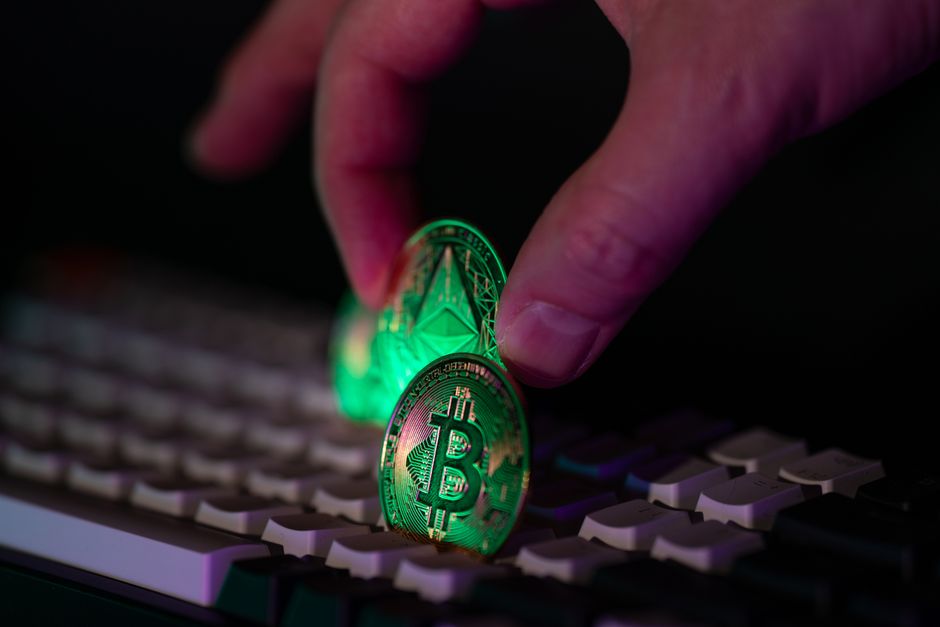
Blockchain technology, which is the underlying technology behind cryptocurrencies such as Bitcoin and Ethereum, has the potential to play a major role in the future of the dark web. Blockchain allows for secure and transparent transactions, which can be used to facilitate the exchange of goods and services on the dark web. It also provides a secure and decentralized way to store and manage data, which can be used to protect the identity and anonymity of dark web users.
One of the most interesting examples of the use of blockchain on the dark web is the rise of decentralized marketplaces, such as OpenBazaar and Silk Road. These marketplaces, which are built on blockchain technology, allow users to buy and sell goods and services without the need for a central authority. They also provide a secure and transparent way to conduct transactions, which can help to reduce the risk of fraud and scams.
Another example of the use of blockchain on the dark web is the rise of decentralized social networks, such as Mastodon and Diaspora. These networks, which are built on blockchain technology, allow users to connect and share information without the need for a central authority. They also provide a secure and transparent way to manage data and protect user identity, which can help to reduce the risk of censorship and surveillance.
"The dark web is a place where people can be free to express themselves and share information without fear of reprisal," says Chelsea Manning, a whistleblower and activist who has used the dark web to share information and connect with others. "It is a powerful tool for democracy and free speech, and it is something that we should be protecting and preserving, rather than trying to shut it down."
As we can see, the future of the dark web is full of possibilities and uncertainties. However, one thing is clear: the dark web has the potential to be a powerful tool for democracy and free speech, and it is something that we should be protecting and preserving. As VPN users, it is up to us to navigate this complex landscape, and to use the tools and techniques at our disposal to stay safe and secure.