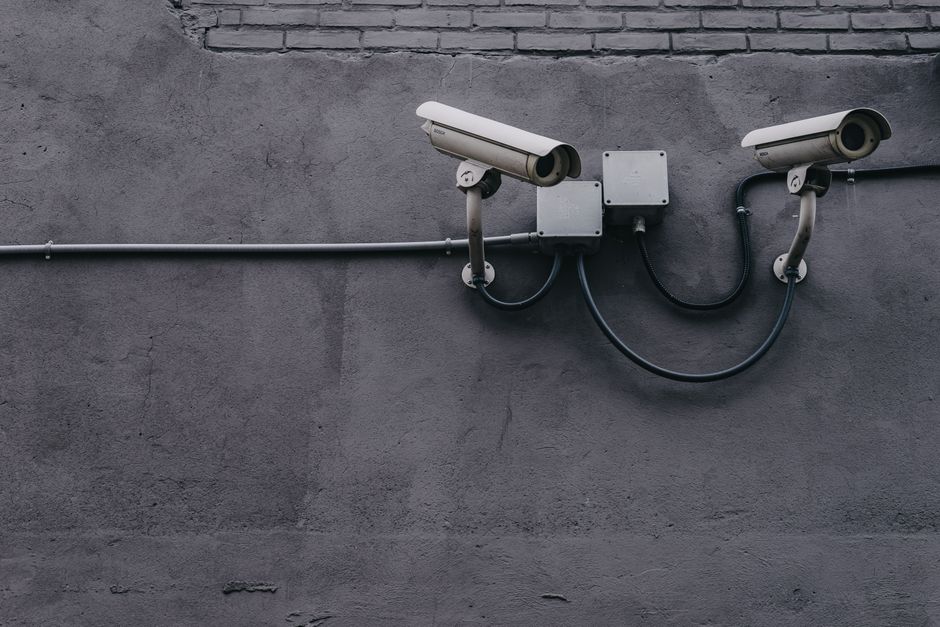
As we peel back the layers of digital surveillance, it becomes clear that the threats extend far beyond the routine data harvesting by legitimate apps and operating systems. There's a darker, more insidious side to smartphone spying, one that involves deliberately malicious software designed to compromise your device and extract every conceivable piece of personal information. This realm of advanced surveillance isn't just about targeted advertising; it's about espionage, blackmail, and even physical safety, transforming your personal device into a potent weapon against you. It's a sobering reminder that our digital lives are constantly under siege, not just by corporations, but by state-sponsored actors, cybercriminals, and even individuals with malicious intent.
Beyond the Obvious The Creepy World of Advanced Surveillance
When we talk about advanced surveillance, the conversation invariably turns to spyware, a category of malicious software specifically designed to monitor and record your activities without your knowledge or consent. This isn't your average app that over-collects data; this is software engineered to bypass security measures, hide its presence, and exfiltrate sensitive information. These tools can range from relatively simple "stalkerware" used by jealous partners to highly sophisticated state-sponsored malware capable of infiltrating the devices of journalists, activists, and political dissidents. The capabilities of such software are truly frightening, turning your smartphone into a remote microphone, camera, and GPS tracker, all controlled by an unseen adversary.
Perhaps the most infamous example of state-sponsored spyware is Pegasus, developed by the Israeli NSO Group. Reports over the years have detailed how Pegasus has been used to target high-profile individuals across the globe, often through "zero-click" exploits that don't even require the victim to interact with a malicious link. Once installed, Pegasus can extract messages, photos, emails, record calls, activate microphones and cameras, and even collect location data, all without the user ever knowing. The discovery of such powerful tools highlights the constant arms race between security researchers and those who seek to exploit vulnerabilities for surveillance, demonstrating that even the most secure devices can be compromised by determined and well-funded actors.
Stalkerware, on the other hand, is a more accessible and disturbingly common form of spyware. These apps are often marketed as parental control tools or employee monitoring software, but they are frequently abused by individuals to secretly track and monitor partners, ex-partners, or family members. These apps typically require physical access to the target device for installation, but once installed, they can operate silently in the background, providing the perpetrator with access to call logs, text messages, GPS location, browser history, and even social media activity. The insidious nature of stalkerware lies in its ability to facilitate digital domestic abuse, eroding trust and control in personal relationships, often with severe emotional and psychological consequences for the victim.
Browser Fingerprinting and Device Identification
Beyond direct software installation, another subtle yet powerful form of surveillance is browser fingerprinting. While many users are aware of cookies, browser fingerprinting goes a step further. It involves collecting a unique set of identifiable characteristics from your web browser and device, such as your browser type and version, operating system, installed fonts, screen resolution, language settings, time zone, and even details about your graphics card. When combined, these data points create a "fingerprint" that can uniquely identify your device across different websites, even if you clear your cookies or use incognito mode. This allows advertisers and trackers to follow your online activity with remarkable persistence, bypassing traditional privacy controls.
Device identification extends beyond the browser. Every smartphone has unique identifiers, such as an IMEI number, MAC address, and advertising IDs. While operating systems and app stores have introduced measures to make these IDs resettable or less persistent, they still serve as powerful tools for tracking. For instance, your advertising ID (ADID on Android, IDFA on iOS) is a unique, user-resettable identifier assigned to your device for advertising purposes. However, many apps and ad networks link this ID to other persistent identifiers or use fingerprinting techniques to re-associate your device even after you reset the ADID, making true anonymity incredibly challenging in the mobile advertising ecosystem.
"The greatest threat to privacy is the illusion that you have nothing to hide." - Daniel J. Solove. This timeless quote resonates deeply in an era where data collection has become so pervasive.
The collection of biometric data, such as fingerprints and facial scans, for unlocking devices has brought immense convenience, but also significant privacy implications. While these biometrics are often processed and stored locally on the device (in a "secure enclave"), the increasing integration of biometric authentication into third-party apps and services raises questions about data handling and potential misuse. For instance, if an app uses your facial scan for authentication, how is that data transmitted and stored? What happens if that data is breached? The unique and immutable nature of biometric data means that once compromised, it cannot be changed, making its security paramount. The implications for identity theft and spoofing are profound if such sensitive data falls into the wrong hands.
Finally, the growing ecosystem of Internet of Things (IoT) devices further blurs the lines of smartphone surveillance. Your smart home devices – cameras, doorbells, thermostats, voice assistants – are often controlled and managed through your smartphone. This means that data collected by these devices, whether it's video footage, audio recordings, or usage patterns, can be linked back to your smartphone and, by extension, to your personal identity. A smart doorbell camera, for example, might send video clips to a cloud server, accessible via an app on your phone. If that cloud service is compromised, or if the app itself has lax security, your home surveillance footage could be exposed, creating a new vector for privacy invasion that extends beyond the confines of your phone itself.