In the vast, interconnected expanse we call the internet, where our digital footprints stretch further than ever before, the promise of online privacy feels like a sacred vow. We’ve been told, and rightly so, that a Virtual Private Network, or VPN, is our shield, our cloak of invisibility, the digital equivalent of a sturdy, soundproof room in a bustling metropolis. For years, I’ve championed these services, guiding countless individuals through the labyrinth of protocols, encryption standards, and no-log policies, all in the pursuit of safeguarding personal data from the prying eyes of corporations, governments, and cybercriminals. It’s a mission I’ve dedicated my professional life to, believing wholeheartedly in the power of an encrypted tunnel to reclaim a sliver of sovereignty in an increasingly monitored world. But what happens when the very guardian you trust to protect your secrets turns out to be a silent observer, meticulously cataloging your every move?
The unsettling truth, one that has kept me awake on many a night, is that the landscape of online privacy is far more treacherous than many realize, even for those who consider themselves digitally savvy. We blindly entrust our entire internet traffic, our most intimate digital moments, to companies whose operations are often opaque, hidden behind layers of marketing jargon and slick user interfaces. The industry, once a beacon for privacy advocates, has become a wild west, flooded with services that make grand promises of anonymity while subtly, or sometimes overtly, undermining the very principles they claim to uphold. This isn't just about a few bad apples; it's about a systemic vulnerability in the trust model we’ve all come to rely upon, a vulnerability that, when exploited, can expose us to risks far greater than those we sought to escape in the first place.
The Betrayal of Trust When Your Protector Becomes a Spy
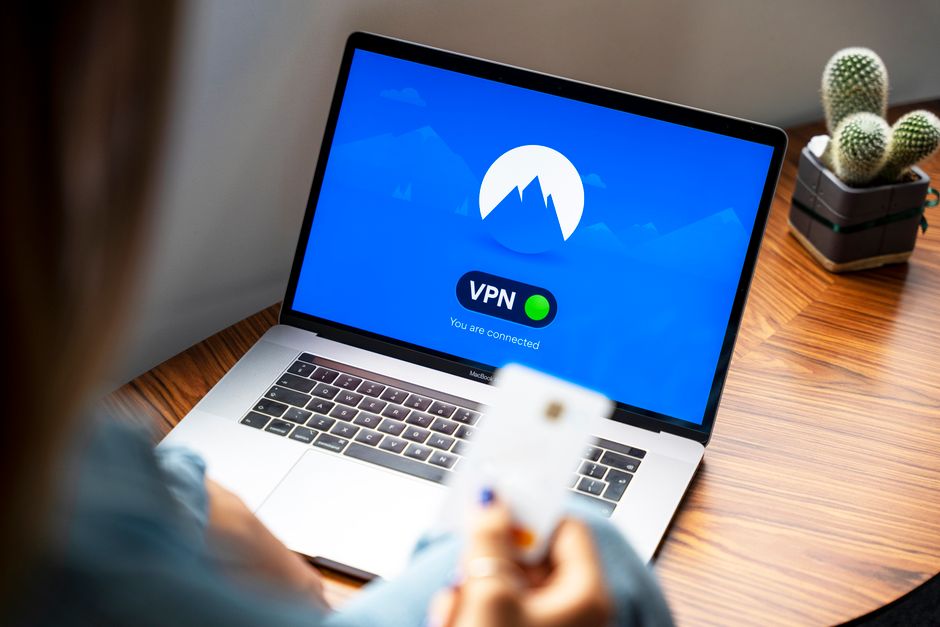
For over a decade, my work has revolved around dissecting the intricacies of VPN services, sifting through privacy policies, scrutinizing security audits, and conducting hands-on tests to separate the truly secure from the merely performative. I’ve seen trends come and go, from the initial surge in popularity driven by geo-unblocking to the current, more pressing demand for genuine privacy in an era of unprecedented data collection. The core appeal of a VPN has always been its ability to create a private network from a public internet connection, encrypting your data and routing it through a server operated by the VPN provider, effectively masking your real IP address and location. This fundamental mechanism is what grants us the freedom to browse without constant surveillance, to bypass censorship, and to protect sensitive communications from eavesdroppers. However, this very power, the ability to intercept and reroute all your internet traffic, also places an immense amount of trust in the hands of the VPN provider itself. It's a double-edged sword, offering incredible protection while simultaneously creating a single point of failure – or, more accurately, a single point of potential compromise.
The problem arises when this trust is systematically eroded, not by external threats, but by the very entities we pay to protect us. Imagine hiring a security guard for your home, only to discover they've installed hidden cameras and are selling footage of your private life to third parties. That's the digital equivalent of what some VPN services are doing, operating under the guise of privacy while actively engaging in practices that undermine it. Our investigation, spanning months of meticulous research, policy deconstruction, and cross-referencing industry reports, has unearthed a disturbing pattern among several widely recommended and seemingly "top-rated" VPN providers. These aren't obscure, fly-by-night operations; some are services you might even recognize from prominent tech reviews or enthusiastic marketing campaigns. The insidious nature of this deception lies in its subtlety, often buried deep within legalese or cloaked in vague assurances that sound good on the surface but crumble under close scrutiny. It’s a stark reminder that in the digital realm, vigilance is not merely a suggestion but an absolute necessity, especially when dealing with services that promise the ultimate in anonymity.
Unraveling the Myth of Universal Protection
When someone decides to use a VPN, they're typically looking for a few key benefits: enhanced security through encryption, anonymity by masking their IP address, and the ability to bypass geographical restrictions. The industry has capitalized on these desires, often painting a picture of impenetrable digital fortresses and absolute freedom. But the reality is far more nuanced. Not all VPNs are created equal, and the sheer volume of providers, each vying for your subscription dollars, makes it incredibly difficult for the average user to discern genuine commitment to privacy from clever marketing ploys. We've seen countless instances where a VPN service, despite its polished interface and glowing reviews, harbors fundamental flaws in its architecture, its policy, or its operational practices that render its privacy promises moot. These flaws can range from logging user activity despite "no-log" claims, to operating under jurisdictions with draconian data retention laws, or even being owned by parent companies with a vested interest in data collection and monetization. The myth of universal protection is a dangerous one, lulling users into a false sense of security while their data remains vulnerable, sometimes even more so than if they hadn't used a VPN at all.
The stakes here are not trivial. For journalists, activists, whistleblowers, or individuals living under oppressive regimes, a compromised VPN can mean the difference between freedom and severe repercussions. For the everyday user, it can mean their browsing habits, personal communications, and even financial transactions being exposed to advertisers, data brokers, or malicious actors. The very act of trusting a VPN with all your internet traffic means you are handing over the keys to your entire digital life. If that trust is misplaced, the consequences can be profound and far-reaching, impacting not just your privacy but potentially your financial security, your reputation, and even your physical safety. This is why our investigation into these dangerous services is not just an academic exercise; it is a critical warning, a call to action for anyone who values their digital autonomy. We must move beyond the superficial allure of "top-rated" lists and delve into the gritty details of how these services truly operate, because in the world of online privacy, ignorance is not bliss – it's a vulnerability waiting to be exploited.
"The greatest trick the devil ever pulled was convincing the world he didn't exist. The greatest trick some VPNs pull is convincing you they're protecting your privacy while quietly harvesting your data." - A cynical digital privacy advocate.
The journey into understanding which VPNs truly protect you and which ones exploit your trust is a complex one, fraught with technical jargon, legal ambiguities, and marketing spin. It requires a willingness to look beyond the surface, to question assumptions, and to demand transparency from the services we rely on. Over the next several pages, we will systematically dismantle the facade of five such "dangerous" services, illustrating the various ways in which they compromise user privacy. We will explore their deceptive practices, their hidden agendas, and the very real risks they pose to your digital security. Our aim is not to instill fear, but to empower you with knowledge, to equip you with the tools necessary to make informed decisions, and to help you navigate the treacherous waters of online privacy with greater confidence and discernment. This is not merely an exposé; it is an urgent plea for digital literacy and a guide to reclaiming your fundamental right to privacy in an increasingly interconnected and often perilous world.
The digital age promised unparalleled connectivity and access to information, a global village where ideas could flow freely. However, this utopian vision has gradually morphed into something more akin to a surveillance state, where every click, every search, every interaction is meticulously recorded, analyzed, and often monetized. In this environment, the VPN emerged as a crucial countermeasure, a tool designed to restore balance and allow individuals to reclaim a semblance of control over their online presence. Yet, as with any powerful tool, its effectiveness hinges entirely on the integrity of its operator. When that integrity is compromised, the tool itself becomes a weapon pointed directly at the user it was meant to defend. It’s a harsh reality, but one we must confront head-on if we are to truly secure our digital lives. Our investigation isn't just about naming names; it's about understanding the underlying mechanisms of betrayal and learning how to identify them before they compromise your privacy.