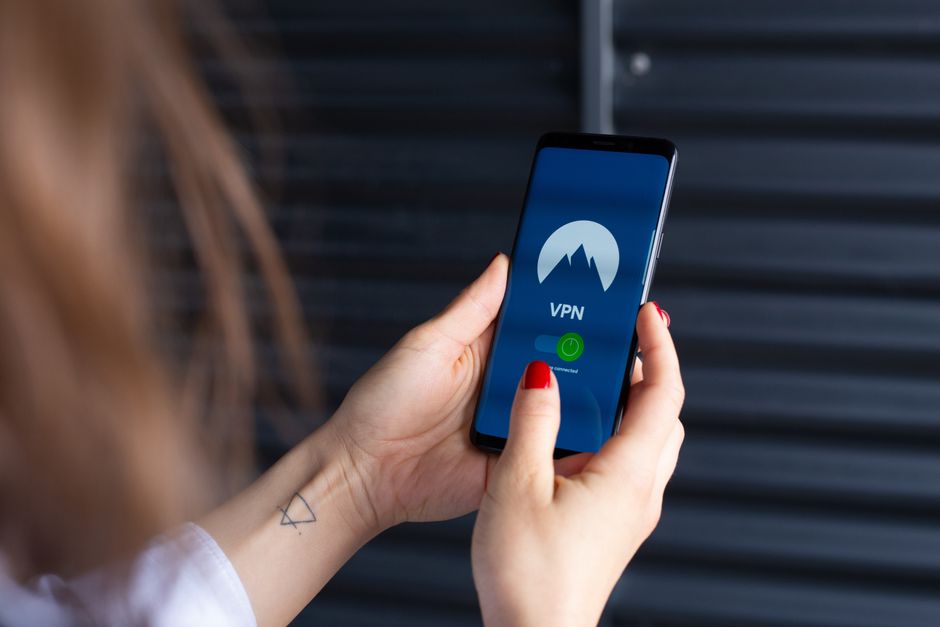
Imagine a tiny, powerful device nestled in your pocket, a constant companion that knows more about you than some of your closest friends. It tracks your movements, records your conversations, analyzes your habits, and even peeks into your most private moments. This isn't a scene from a dystopian sci-fi movie; this is the reality of your smartphone, a tool so integral to modern life that we often overlook its inherent vulnerabilities and the pervasive surveillance it enables. For years, as a journalist deeply embedded in the world of cybersecurity and online privacy, I’ve witnessed firsthand the alarming erosion of personal space, often at the hands of the very applications we willingly install, believing them to be innocuous or even beneficial. The convenience these apps offer comes at a steep price, one measured not in dollars, but in the invaluable currency of your personal data and, ultimately, your fundamental right to privacy.
The digital landscape has become a sprawling marketplace where your attention and information are the most coveted commodities. Every tap, swipe, search, and voice command generates data, a rich tapestry of your life meticulously collected, aggregated, and analyzed by an unseen network of advertisers, data brokers, and sometimes, even more nefarious entities. We’ve become accustomed to the idea that "if it's free, you're the product," but many users still don't fully grasp the sheer volume and granularity of the information being harvested from their devices. This isn't just about targeted ads for that pair of shoes you glanced at online; it's about building comprehensive profiles that can predict your behavior, influence your decisions, and even expose sensitive aspects of your personal life to those who might exploit it. It's a subtle, almost invisible form of surveillance, normalized by widespread adoption and a general lack of awareness regarding the true capabilities of mobile applications.
The Silent Watchers in Your Pocket
Our smartphones are more than just communication devices; they are sophisticated sensors equipped with microphones, cameras, GPS, accelerometers, gyroscscopes, and a host of other components capable of painting an incredibly detailed picture of our existence. When you grant an app permission to access these sensors or your personal data, you are essentially opening a window, or sometimes a gaping door, into your private world. This isn't always done maliciously; often, it's simply part of an app's business model, which relies on monetizing user data to sustain its "free" service. However, the line between legitimate data collection for app functionality and exploitative data harvesting for profit has become increasingly blurred, making it incredibly difficult for the average user to discern trustworthy applications from those that pose a genuine threat to their privacy. The problem is compounded by lengthy, jargon-filled privacy policies that few people read or understand, effectively giving companies carte blanche to collect whatever data they deem valuable.
The sheer scale of data collection is staggering. Reports from organizations like the AppCensus and the International Computer Science Institute (ICSI) have repeatedly highlighted how thousands of popular apps transmit sensitive user data, including location, unique device identifiers, and even personal contact lists, to third-party advertisers and data brokers without explicit user consent or clear disclosure. This isn't limited to obscure, shady apps; many mainstream applications, downloaded millions of times, engage in these practices. The data economy thrives on this constant feed of personal information, turning every smartphone into a node in a vast surveillance network. It’s a classic digital dilemma: the convenience and functionality we crave are often directly proportional to the amount of personal data we surrender. Understanding this fundamental trade-off is the first step towards reclaiming some semblance of digital autonomy and protecting ourselves from pervasive, often hidden, digital intrusion.
Unmasking the Data Brokers and Their Digital Spies
The ecosystem of data collection extends far beyond the apps themselves. Once your data leaves your phone, it often enters a complex web of data brokers – companies whose entire business model revolves around acquiring, packaging, and selling personal information. These brokers compile profiles that can include everything from your income level and political leanings to your health conditions and daily routines, all derived from the digital breadcrumbs you leave behind. This information is then sold to advertisers, political campaigns, insurance companies, and even government agencies, creating an invisible market where your identity is a valuable commodity. My own investigations have shown how seemingly innocuous data points, when combined, can reveal incredibly intimate details about an individual, details that, in the wrong hands, could lead to anything from targeted scams to identity theft, or even more insidious forms of manipulation.
One particularly unsettling aspect of this data brokering is the lack of transparency and accountability. Most users have no idea which companies possess their data, what information they hold, or how it is being used. Attempts to regulate this industry, such as GDPR in Europe and CCPA in California, have made some inroads, but the global nature of the internet and the intricate network of data sharing make comprehensive oversight incredibly challenging. The onus, unfortunately, often falls on the individual to be vigilant and proactive in protecting their own privacy. This is precisely why identifying and removing certain types of apps from your device is not merely a recommendation; it's a critical, immediate action necessary to staunch the flow of your personal information into this opaque and often exploitative digital marketplace. It’s about taking back control, one app at a time, and understanding that every application you install has the potential to be a digital spy, silently relaying information back to its unknown masters.