Shedding the Digital Shadows Identifying the Worst Offenders
The journey to true digital privacy begins with a critical assessment of the digital tools we carry with us every day. While virtually every app collects some form of data, certain categories stand out as particularly egregious in their data harvesting practices, often requesting permissions far beyond what is necessary for their stated function. These are the apps that become silent sentinels, gathering intimate details about your life and transmitting them to unseen servers, turning your device into a veritable goldmine of personal information for data brokers and advertisers. It’s not just about what an app explicitly asks for; it’s about what it does in the background, the permissions it maintains, and the third-party trackers it embeds. Understanding these digital parasites is the crucial next step in securing your mobile life and preventing your phone from being an unwitting accomplice in its own surveillance.
Over my decade covering cybersecurity, I’ve seen countless examples of apps masquerading as helpful utilities, only to be unmasked as sophisticated data-gathering operations. From the early days of "free" ringtone apps that installed malware, to modern-day "cleaners" and "optimizers" that hog resources and steal data, the tactics evolve, but the underlying motivation remains the same: to profit from your personal information. It’s a digital arms race, with app developers constantly finding new ways to circumvent privacy controls and users struggling to keep up. This section delves deep into the specific types of apps that pose the most significant threat, providing concrete reasons why they should be among the first to be purged from your device. We’ll explore the mechanics of their data collection, the risks they introduce, and some real-world examples that underscore the urgency of their removal.
The Allure and Deception of "Free" VPNs and Proxy Services
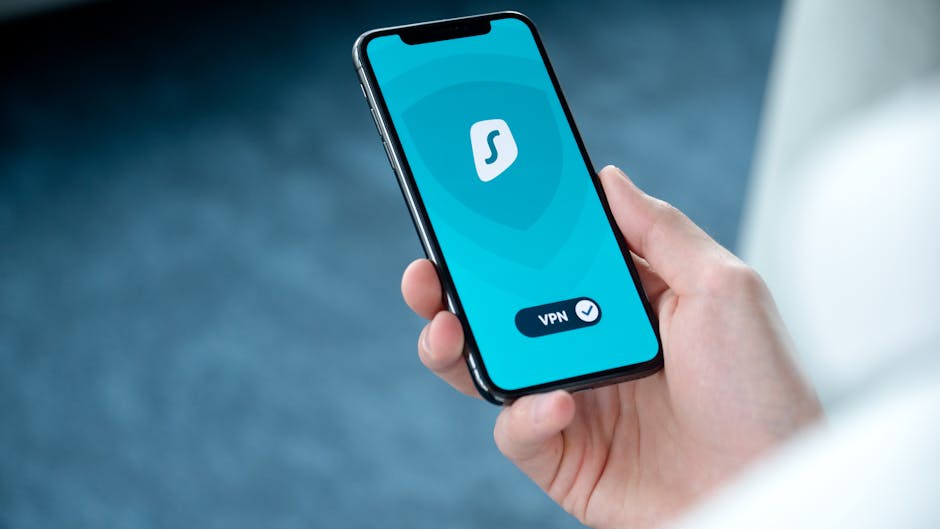
In the quest for online privacy, many users turn to Virtual Private Networks (VPNs) as a shield against prying eyes. However, a particularly insidious threat lurks within the realm of "free" VPNs and proxy apps. The promise of anonymity and security without cost is often too good to be true, and in the world of VPNs, it almost always is. Reputable VPN providers operate expensive server infrastructures, employ skilled engineers, and invest heavily in security audits, all of which cost money. So, when an app offers a "free" VPN service, you have to ask yourself: how are they sustaining their operations? The answer, distressingly often, is by monetizing your data, which directly contradicts the very purpose of using a VPN in the first place.
Many "free" VPNs have been caught logging user activity, injecting ads into browsing sessions, and even selling user bandwidth to third parties, effectively turning your device into an exit node for someone else's traffic, potentially implicating you in their activities. Consider the infamous Hola VPN controversy, where it was revealed that the service was selling its users' idle bandwidth to a sister company, Luminati, which then resold it for various purposes, including botnets and illicit activities. This means that while you thought you were protecting your privacy, your internet connection was being used by strangers, often without your knowledge or explicit consent, for purposes you would likely never endorse. The very tool meant to safeguard your online presence becomes the biggest betrayer, making these apps a prime candidate for immediate deletion. A truly privacy-focused VPN requires a subscription because privacy, like any quality service, comes at a justifiable cost.
The Absurdity of Overly Permissive Flashlight and Utility Apps
Who would have thought a simple flashlight app could be a privacy nightmare? Yet, for years, this category has consistently topped lists of apps with excessive and completely unwarranted permissions. A flashlight app needs access to your device's camera flash, maybe the camera itself to control the flash, and that’s about it. Why, then, do so many demand access to your contacts, call history, precise location, microphone, or even your internal storage? The answer is simple: they don't need it for their primary function, but they want it for data collection. These apps often serve as fronts for data brokers, collecting a vast array of personal information that is then sold off to advertisers and other interested parties.
I recall reviewing one particularly egregious example years ago, a flashlight app that requested no fewer than 30 permissions, including the ability to record audio, read and write to external storage, access full network communication, and retrieve running apps. The developer’s explanation was a flimsy claim about "improving user experience" through personalized ads. The reality, of course, was that this app was a sophisticated data-gathering tool disguised as a utility. By analyzing your contacts, location history, and device ID, these apps can build incredibly detailed profiles, which are then used for hyper-targeted advertising or sold on the open market. Deleting these seemingly innocent, yet data-hungry, utility apps is a quick win for your privacy, as they offer minimal benefit for a maximum privacy risk.
Third-Party Keyboard Apps A Direct Line to Your Sensitive Information
The keyboard on your phone is perhaps the most intimate interface you interact with, directly handling every single character you type – from casual messages to sensitive financial details and passwords. While many third-party keyboard apps offer fantastic features like custom themes, advanced autocorrect, and swipe typing, they also introduce a significant privacy vulnerability. When you install a third-party keyboard, you grant it "full access" to your device, which often means it can log every keystroke, capture screenshots, and even record audio. This data is then sent to the app developer's servers, ostensibly to improve the keyboard's predictive capabilities, but in reality, it creates a potential goldmine for malicious actors or unscrupulous companies.
Think about it: every password you type, every credit card number you enter, every private message you send – all potentially recorded and transmitted. While reputable keyboard developers employ encryption and claim to anonymize data, the risk of a data breach or an intentional misuse of this incredibly sensitive information is ever-present. Some well-known keyboard apps have faced scrutiny for sending user data, including search queries and typing patterns, to their servers. Unless you have absolute, unwavering trust in the developer and their security practices, and have thoroughly scrutinized their privacy policy (which, let's be honest, few do), using a third-party keyboard is an unnecessary gamble with your most sensitive personal information. Sticking to the default keyboard provided by your phone's operating system (iOS or Android) is generally the safer bet, as these are typically built with higher security standards and tighter integration with the OS's privacy features.
Weather Apps The Unseen Collectors of Your Location Data
Everyone needs a weather app, right? It's a simple utility that provides forecasts and current conditions. But have you ever considered just how much data some weather apps demand, especially your precise location, and why they need it constantly? While knowing your location is essential for accurate local weather, many weather apps go far beyond this necessity, requesting persistent background location access, device IDs, and network information. This isn’t just to tell you if it’s raining; it’s to build a comprehensive profile of your daily movements, your home, your workplace, and the places you frequent, which is incredibly valuable to advertisers and data brokers.
There have been numerous documented cases where popular weather apps were found to be selling granular user location data to third parties. For instance, AccuWeather faced criticism after reports emerged that it was selling highly precise location data, even when users had explicitly opted out of location sharing for advertising purposes. This data can then be used to infer your routines, your interests, and even your political affiliations based on the places you visit. While an app might claim this data is anonymized, it's often trivial for data brokers to de-anonymize location data when combined with other data points. The seemingly innocuous nature of a weather app often blinds users to its potential as a persistent location tracker. Opting for a weather app that respects your privacy, or simply using your web browser's built-in weather feature, is a far more secure approach than granting unrestricted access to your whereabouts to yet another data-hungry application.