As we delve deeper into the hidden mechanisms of data collection on our smartphones, we uncover functionalities that operate almost entirely in the background, often without any explicit user interaction beyond the initial setup. These features, while designed for convenience or connectivity, inadvertently create persistent channels for data transmission, painting an even more complete picture of your digital and physical presence. Understanding these subtle yet significant avenues of surveillance is crucial for anyone serious about reclaiming their privacy.
The Invisible Probes: Nearby Device Scanning and Constant Connectivity
Many modern smartphones come equipped with features that constantly scan for nearby devices and networks, even when you might think Wi-Fi or Bluetooth is "off." This includes settings like "Wi-Fi Scanning" and "Bluetooth Scanning" on Android devices, or similar background processes on iOS. While they sound innocuous, designed to improve location accuracy or help your device connect faster to known networks, they effectively turn your phone into a continuous beacon, broadcasting and listening for signals in its environment. This constant scanning can be used for more than just finding your AirPods; it’s a powerful tool for location tracking and behavioral profiling, often without your explicit awareness or consent.
Consider how this works: even if your GPS is disabled, your phone can still determine your location with remarkable accuracy by detecting nearby Wi-Fi networks and Bluetooth beacons. Companies maintain vast databases mapping the physical locations of millions of Wi-Fi access points and Bluetooth devices. When your phone scans and detects these signals, it can cross-reference them with these databases to pinpoint your location, sometimes down to a few meters. This means that even if you've meticulously disabled location services for every app, your phone might still be silently triangulating your position and potentially transmitting this data to system services or specific applications that have permission to access network information. This creates a persistent, passive form of surveillance, where your movements are logged even when you believe you've opted out of location tracking. It’s a subtle yet pervasive form of digital breadcrumbing that most users never consider.
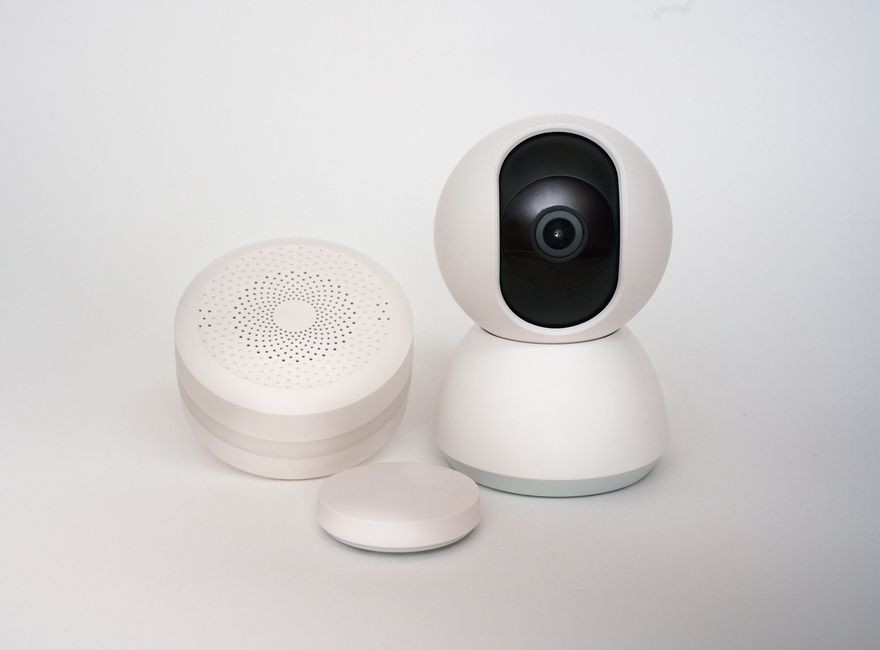
Beyond location, constant scanning also contributes to a broader understanding of your environment and habits. Your phone might detect the types of smart devices in your home, the brands of other phones around you, or even specific retail beacons in stores. This data, when aggregated, can reveal incredibly detailed insights into your lifestyle, purchasing habits, and social connections. For example, consistent detection of a particular smart home device could infer your adoption of certain technologies, or frequent detection of specific retail beacons could highlight your shopping preferences. While these features are marketed for convenience—like automatically connecting to your car's Bluetooth or improving "Find My" functionality—they simultaneously serve as powerful data collection mechanisms. Disabling these background scanning features doesn't prevent you from manually connecting to Wi-Fi or Bluetooth when you need to; it simply stops your phone from constantly broadcasting and listening, thereby significantly reducing the ambient data it collects and transmits about your immediate surroundings and location.
The Eavesdropping Assistant: Personalized Assistant Data Retention
Voice assistants like Siri, Google Assistant, and Alexa have become integral to how many of us interact with our phones, offering unparalleled convenience for tasks ranging from setting alarms to answering complex queries. However, this convenience comes at a significant privacy cost: these assistants are designed to listen, and often, to record and retain your voice commands. While the official explanation is always "to improve the service" and "make the assistant more accurate," the reality is that your spoken words, including potentially sensitive personal information, are often transmitted to company servers, transcribed, analyzed, and sometimes even reviewed by human contractors. This means that your phone, through its voice assistant, is not just a tool for communication, but a potential eavesdropper on your conversations and commands.
The implications of this constant listening and data retention are profound. Every voice command you issue, every question you ask, every dictation you make, creates a digital record. This record can include highly personal details: health inquiries, financial questions, private conversations accidentally picked up by the "hotword" detection, or even the voices of other people in your vicinity. In 2019, controversies erupted when it was revealed that human contractors for Google, Amazon, and Apple were listening to and transcribing voice recordings from users, sometimes including very sensitive or intimate details. While these companies subsequently adjusted their policies, the fundamental mechanism of recording and retaining voice data for "improvement" remains. This data, once on their servers, is subject to their privacy policies, potential data breaches, and even government requests for information, transforming your private utterances into corporate assets.
Furthermore, the "personalization" aspect of these assistants means that the data collected from your voice interactions is often linked to your broader user profile. This allows the assistant to learn your preferences, understand your accent, and even anticipate your needs. While this can make the assistant more effective, it also means that a highly detailed profile of your spoken interactions is being built and stored. This profile can be combined with your web activity, location data, and app usage to create an incredibly rich, multi-faceted digital representation of you. Disabling data retention for your voice assistant doesn't necessarily mean you can't use the assistant anymore, but it significantly limits the extent to which your spoken words are stored, analyzed, and used to build a persistent profile. It’s a critical step in preventing your phone from becoming a continuous, personalized audio recorder that silently collects and transmits your most intimate vocal interactions, offering a vital layer of protection against pervasive voice surveillance.
Taking Back Control: Actionable Steps to Digital Privacy
Understanding the threats is only half the battle; the real victory comes in taking concrete action. While no single step can guarantee absolute anonymity in our hyper-connected world, systematically addressing these hidden settings on your smartphone will significantly reduce your digital footprint and empower you with greater control over your personal data. This isn't about becoming a tech-savvy hacker; it's about making informed choices and taking a few deliberate steps that anyone can follow. Let's walk through how to disable these seven digital spies, providing practical, platform-agnostic guidance where possible, and specific instructions for both iOS and Android where differences are significant. Your digital sovereignty begins now.
Reining in Location History and System Services Location
The constant tracking of your physical whereabouts is one of the most intrusive forms of data collection. It’s not enough to simply deny location access to a few apps; you need to dig deeper into system-level settings. On iOS, navigate to Settings > Privacy & Security > Location Services. Here, you'll see a list of apps and their location access. Review each one and set it to "Never" or "Ask Next Time" unless absolutely necessary (e.g., mapping apps). More critically, scroll down to System Services. Within this menu, you'll find numerous toggles. Disable "Significant Locations" (which keeps a history of places you frequently visit), "Location-Based Alerts," "Location-Based Suggestions," and "iPhone Analytics." For "Emergency Calls & SOS," it's generally advisable to leave it on for safety. However, for features like "HomeKit," "Location-Based Ads," and "Share My Location," consider disabling them if they don't align with your privacy preferences. It’s about being deliberate with every single permission.
For Android users, the path is similar but with slightly different labels. Go to Settings > Location. Here, you can toggle off "Use Location" globally, but this might impact essential services like maps. A more granular approach involves tapping on "Location Services" or "Google Location Accuracy" (depending on your Android version). Within this section, you'll find "Google Location History." Tap on this, and you'll likely be taken to your Google Account activity controls. Pause "Location History" here and consider deleting past activity. Back in the main Location settings, look for "Wi-Fi scanning" and "Bluetooth scanning" and disable them. Also, review "App permissions" for location, similar to iOS, and restrict access for apps that don't genuinely need it. Remember, merely turning off GPS isn't enough; these system services are the true hidden culprits, constantly logging your movements in the background, making it imperative to meticulously review each setting.
Severing the Chains of Ad Personalization and Your Digital Fingerprint
To curb the relentless onslaught of personalized ads, you need to reset your advertising identifier and limit ad tracking. On iOS, go to Settings > Privacy & Security > Tracking. Ensure "Allow Apps to Request to Track" is turned off, and then review the list of apps below it, turning off tracking for any individual app you don't trust. Then, scroll down to Apple Advertising and toggle off "Personalized Ads." While this won't stop ads entirely, it will prevent advertisers from using your specific Ad ID to build a profile of your behavior across apps and websites. It's a crucial step towards making ads less targeted and thus, less intrusive, disrupting the continuous flow of data that fuels the ad tech ecosystem, forcing advertisers to rely on broader, less specific targeting methods.
For Android users, navigate to Settings > Google > Ads. Here, you'll find the option to "Delete Advertising ID" or "Reset Advertising ID." Deleting it is often the more definitive action, effectively giving you a fresh start. You should also toggle on "Opt out of Ads Personalization." This action signals to app developers and advertisers that you prefer not to receive personalized advertisements based on your activity. While it doesn't eliminate all ads, it significantly reduces the ability of ad networks to build a comprehensive, long-term profile of your interests linked to a persistent identifier. Regularly resetting your Ad ID, perhaps once a month, is a good habit to adopt, as it continuously disrupts the tracking mechanisms, forcing advertisers to start from scratch with a new, unlinked identifier, making their profiling efforts less effective over time.
Taming the Beast of App Permissions Overload
This is arguably one of the most critical areas for privacy management, as it directly governs what data individual apps can access. On iOS, go to Settings > Privacy & Security. Here, you'll see a list of categories like "Photos," "Camera," "Microphone," "Contacts," "Calendar," "Reminders," etc. Tap into each category and review which apps have access. For example, under "Microphone," if you see a game or a flashlight app, disable its access immediately. Similarly, under "Photos," restrict apps to "Selected Photos" or "None" unless they are legitimate photo editors or social media apps where sharing is the primary function. Be ruthless in your review; if an app's requested permission doesn't align with its core functionality, revoke it. This granular control empowers you to decide exactly what information each app can see.
On Android, navigate to Settings > Apps > See all apps (or Apps & notifications > App permissions, depending on your version). You can either review permissions by app or by permission type. Reviewing by permission type (e.g., "Microphone," "Camera," "Contacts," "Storage") is often more efficient. Tap on a permission, and you'll see a list of apps that have access. For each app, ask yourself: "Does this app genuinely need this permission to function?" If a calculator app has microphone access, or a simple game has access to your contacts, revoke that permission. Pay particular attention to "Storage" access, as many apps use this to read and write files, sometimes beyond their necessary scope. Regularly auditing your app permissions, perhaps once a month or whenever you install a new app, is a fundamental practice for maintaining digital privacy, as apps can sometimes gain new permissions through updates, making ongoing vigilance essential.
Controlling the Silent Watcher: Activity Controls
Managing your activity controls, especially for Google services, is paramount to limiting the vast amounts of data collected about your online behavior. For Google users (Android and iOS with Google apps), the most effective way is to visit your Google Account directly. On your phone, go to Settings > Google > Manage your Google Account. Tap on "Data & privacy." Here, you'll find "History settings." Tap on "Web & App Activity," "Location History," and "YouTube History" and pause them. Crucially, also check the box to "Auto-delete" activity older than 3, 18, or 36 months, or manually delete past activity. Do the same for "Voice & Audio Activity." Pausing these settings prevents Google from continuing to build a comprehensive timeline of your interactions across its services, significantly reducing the data profile it maintains on you, moving you towards a more private digital existence by severing the continuous data stream.
For Apple users, while there isn't an equivalent "Web & App Activity" in the same vein as Google, you can control data sharing for analytics and Siri. Go to Settings > Privacy & Security > Analytics & Improvements. Toggle off "Share iPhone Analytics," "Share iCloud Analytics," and "Share Health & Activity Analytics." This stops your device from sending detailed diagnostic and usage data back to Apple. For Siri, go to Settings > Siri & Search > Siri & Dictation History and tap "Delete Siri & Dictation History." Then, go back to Settings > Privacy & Security > Analytics & Improvements, and ensure "Improve Siri & Dictation" is toggled off. These steps limit the amount of usage and performance data Apple collects and prevents your voice commands from being retained and analyzed, offering a more private interaction with your device's assistant features, putting you firmly back in control of your spoken data.
Silencing the Secret Confidant: Diagnostic and Usage Data Sharing
This setting often flies under the radar but contributes to a constant outflow of information from your device. For iOS, navigate to Settings > Privacy & Security > Analytics & Improvements. As mentioned above, here you should toggle off "Share iPhone Analytics," "Share iCloud Analytics," and any other "Share" options you see there. This stops your device from automatically sending detailed diagnostic and usage data to Apple. While Apple claims this data is anonymized, taking this step ensures that no such data leaves your device, eliminating even the theoretical risk of re-identification or misuse. It's a simple toggle that provides a significant privacy gain, preventing your device from acting as a passive informant, constantly relaying its operational details back to the manufacturer.
On Android, the exact path can vary slightly between manufacturers and Android versions. Generally, you'll find this under Settings > Privacy > Usage & diagnostics. Simply toggle off "Usage & diagnostics." Some manufacturers might have additional similar settings under "System" or "About phone." For example, on Samsung devices, you might find "Customization Service" or "Diagnostic Data" under Settings > Privacy. Look for anything that mentions "sending diagnostic data," "usage information," or "analytics" and disable it. This prevents your phone from continually transmitting performance metrics, crash reports, and usage patterns, thereby reducing the amount of personal telemetry data that is collected and potentially shared with third parties. It's a small but impactful step towards minimizing your digital footprint and asserting greater control over your device's data outflow, ensuring that your phone is not silently broadcasting its secrets.
Deactivating the Invisible Probes: Nearby Device Scanning and Constant Connectivity
To prevent your phone from constantly broadcasting and listening for signals, you need to disable background scanning features. On Android, go to Settings > Location > Location Services. Here, you should find "Wi-Fi scanning" and "Bluetooth scanning." Toggle both of these off. While these features are meant to improve location accuracy and device connectivity, they allow your phone to constantly scan for nearby networks and devices even when Wi-Fi and Bluetooth are otherwise off, creating a persistent, passive location tracking mechanism. Disabling them won't prevent you from manually turning on Wi-Fi or Bluetooth when you need them, but it will stop your phone from constantly pinging its surroundings, thereby enhancing your privacy by limiting the data collected about your physical environment and location, making your device less of a beacon.
For iOS, the approach is slightly different, as Apple integrates these features more deeply without separate toggles for background scanning. However, you can control which apps have access to your Bluetooth. Go to Settings > Privacy & Security > Bluetooth. Review the list of apps and revoke Bluetooth access for any app that doesn't genuinely need it. For Wi-Fi, ensure "Location Services" (as detailed earlier) is tightly controlled, as Wi-Fi network detection is a primary method for location triangulation. Additionally, consider turning off "Networking & Wireless" under System Services within Location Services if you are extremely privacy-conscious, though this may affect some location-based features. While iOS offers less granular control over ambient scanning than Android, managing app permissions for Bluetooth and tightening Location Services still provides a significant layer of protection against pervasive background tracking, reducing the passive data collection about your surroundings.
Muting the Eavesdropping Assistant: Personalized Assistant Data Retention
To prevent your voice assistant from recording and retaining your commands, you need to adjust its data retention settings. For Google Assistant (on Android and iOS), revisit your Google Account's "Data & privacy" section. Under "History settings," ensure "Voice & Audio Activity" is paused. Crucially, also delete any existing history by tapping "Manage activity" within "Voice & Audio Activity" and choosing to delete specific recordings or all history. This prevents Google from storing your voice commands and using them for personalization or "improvement," giving you much greater control over your spoken data. It's a vital step to ensure that your private conversations and commands remain private, preventing your device from becoming a continuous, personalized audio recorder that silently collects and transmits your most intimate vocal interactions, allowing you to speak freely without fear of persistent logging.
For Siri on iOS, go to Settings > Siri & Search > Siri & Dictation History and tap "Delete Siri & Dictation History." Then, go back to Settings > Privacy & Security > Analytics & Improvements, and ensure "Improve Siri & Dictation" is toggled off. This stops Apple from retaining and analyzing your Siri and Dictation interactions, significantly reducing the amount of voice data associated with your device. While Siri will still process your commands in real-time to respond, these steps ensure that those commands are not stored long-term or used to build a persistent profile of your voice and queries. Taking these actions across both platforms ensures that your voice commands are ephemeral, processed for immediate utility but not retained for long-term analysis, offering a robust defense against pervasive voice surveillance and reinforcing your right to spoken privacy.
Beyond the Seven: Cultivating a Privacy-First Mindset
Disabling these seven hidden settings is a powerful first step, but true digital privacy is an ongoing journey, not a destination. It requires a shift in mindset, a constant vigilance, and a willingness to question the default settings of the technology we use every day. Consider adopting a few additional habits: regularly review app permissions, especially after app updates, as new permissions can sometimes be added without explicit notification. Use strong, unique passwords for all your online accounts, preferably managed by a reputable password manager. Enable two-factor authentication (2FA) wherever possible, adding a critical layer of security against unauthorized access. Employ a privacy-focused browser like Brave or Firefox with enhanced tracking protection, and consider using a reputable Virtual Private Network (VPN) on all your devices to encrypt your internet traffic and mask your IP address, especially when using public Wi-Fi. These tools and practices create a multi-layered defense against the pervasive data collection that characterizes our modern digital landscape, empowering you to navigate the internet with greater peace of mind.
Remember, the goal isn't to become a digital recluse, but to be an informed and empowered user. Your smartphone is an incredibly powerful tool, capable of enriching your life in countless ways. But like any powerful tool, it demands respect, understanding, and careful handling. By taking the time to understand these hidden settings and making conscious choices about your data, you are actively participating in the ongoing conversation about digital rights and personal autonomy. You are sending a clear message: your privacy matters, and you are not merely a passive data point in a vast corporate algorithm. Take control, stay vigilant, and enjoy the benefits of technology without sacrificing your fundamental right to privacy. The power to protect your digital self is quite literally in your hands.