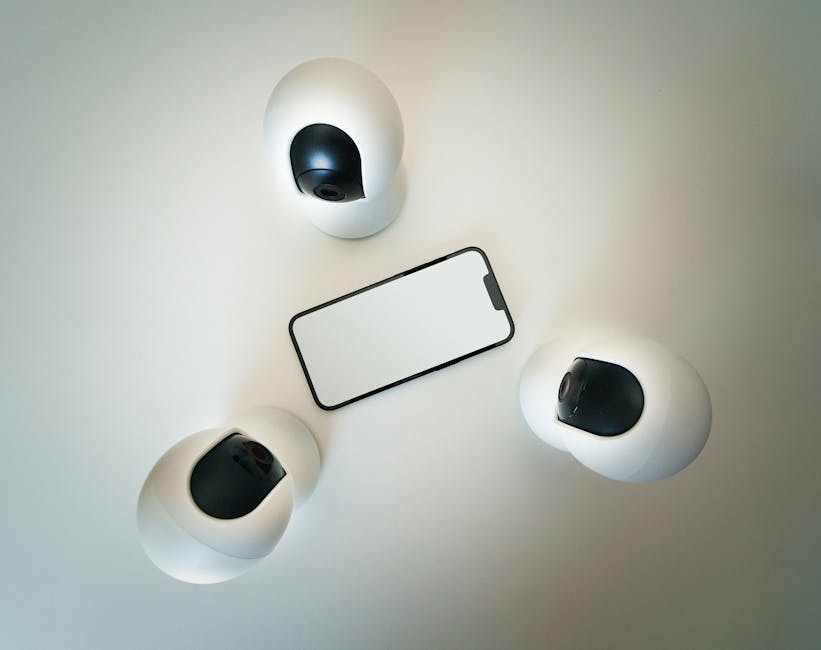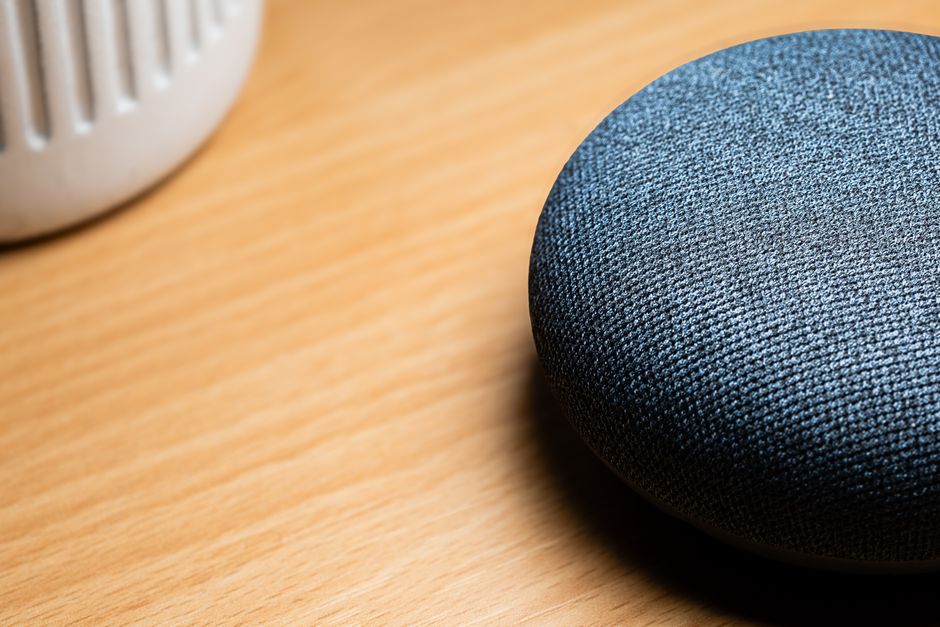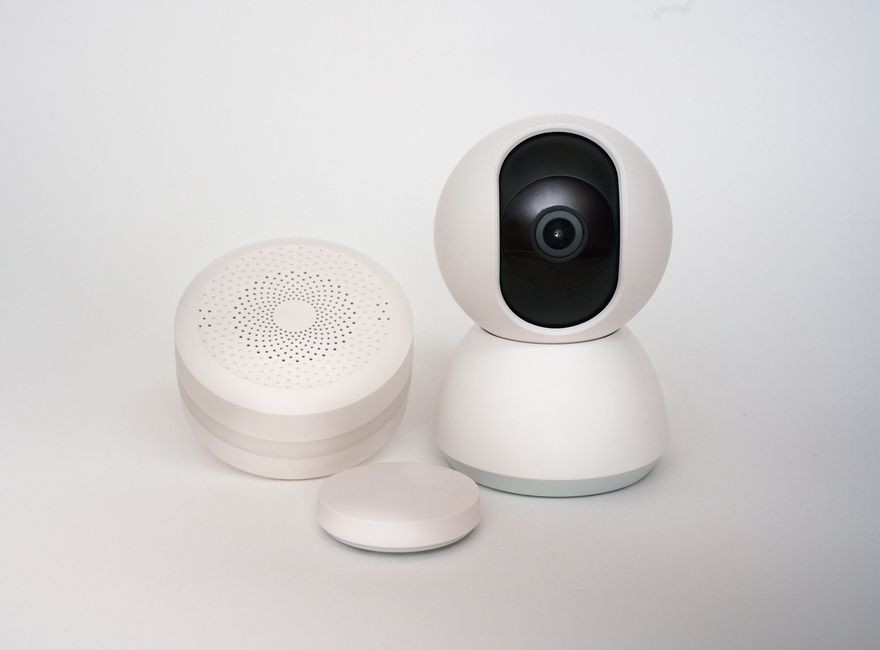
There’s a peculiar feeling many of us have experienced lately, a subtle unease that whispers from the corner of the room where our smart speaker patiently waits, or emanates from the sleek black mirror of our television, which seems to know a little too much about our viewing habits. It’s the unsettling sensation that our most convenient companions, the gadgets designed to simplify our lives, might also be silently observing, listening, and collecting data about our most intimate moments. This isn't just paranoia; it's a chilling reality in an increasingly interconnected world, where every smart device from your doorbell to your refrigerator is a potential data point, meticulously recording and transmitting fragments of your existence.
For years, as a journalist covering the intricate dance between technology and privacy, I’ve watched this phenomenon evolve from a niche concern among tech enthusiasts to a mainstream anxiety. What started with innocuous smart home gadgets promising futuristic convenience has blossomed into an omnipresent web of sensors and algorithms, quietly weaving a detailed tapestry of our daily routines, preferences, and even our conversations. We’ve traded a degree of privacy for the effortless ability to dim the lights with a voice command or preheat the oven from the office, often without fully understanding the profound implications of that bargain. The sheer volume and granularity of data being harvested by these devices are staggering, painting a picture of our lives that is far more comprehensive than many of us would care to admit, and certainly more detailed than we consciously consent to sharing.
The Invisible Auditors in Our Homes and Pockets
Consider the ubiquity of smart devices in modern life. Your smartphone, an undeniable extension of your personality, tracks your location, monitors your health, records your calls, and analyzes your app usage with an almost unsettling precision. Then there are the smart speakers, like Amazon Echo or Google Home, always on, always listening for their wake word, but what else are they catching in the interim? Smart televisions, once mere display panels, now come equipped with microphones, cameras, and sophisticated tracking software that monitors what you watch, how long you watch it, and even what ads you skip. Wearable fitness trackers log your heart rate, sleep patterns, and daily movements, creating a biometric profile that is incredibly personal and potentially valuable to advertisers or even insurance companies. Even your smart thermostat, seemingly benign, learns your schedule and presence, contributing to a larger dataset about your home occupancy patterns.
This relentless data collection isn't always malicious in intent, at least not overtly. Manufacturers often claim it’s for "improving user experience," "personalizing services," or "developing new features." However, the aggregated data becomes a goldmine for targeted advertising, allowing companies to craft incredibly precise marketing campaigns based on your habits, interests, and even your emotional state. Beyond advertising, this data can be sold to data brokers, shared with third parties, or even accessed by law enforcement under certain circumstances, often without your explicit knowledge or consent. The lines between what is considered private and what is fair game for data exploitation have become increasingly blurred, leaving individuals feeling vulnerable and exposed in their own homes.
The privacy landscape has shifted dramatically, moving from a world where personal data was confined to paper records and physical interactions to an era where every digital footprint leaves a permanent, traceable mark. This isn't just about big tech companies being greedy; it's about an entire economic model built on the premise of surveillance capitalism, where our attention and data are the new commodities. Shoshana Zuboff, a Harvard professor, eloquently describes this as a system where "human experience is translated into data that can predict and modify behavior," all for profit. The smart devices in our homes are the frontline sensors in this grand experiment, constantly feeding the beast with fresh, intimate details about our lives. It’s a chilling thought, isn't it? That the devices we invite into our most sacred spaces are not just serving us, but also serving an unseen network of data harvesters.
The Unseen Risks and Why We Must Act
The risks associated with unchecked smart device data collection extend far beyond annoying ads. Data breaches are a constant threat, as evidenced by numerous high-profile incidents where sensitive user information, including home addresses, voice recordings, and even video feeds, has been exposed. Imagine your smart home security camera footage falling into the wrong hands, or your intimate conversations recorded by a smart speaker becoming public. Moreover, the aggregation of seemingly innocuous data points can create incredibly detailed profiles that can be used for discriminatory practices, such as denying loans or insurance based on inferred lifestyle choices. There's also the subtle manipulation of behavior through personalized recommendations and notifications, subtly guiding our choices without us even realizing it.
Furthermore, the legal and ethical frameworks surrounding smart device privacy are still catching up to the technology itself. Many devices operate under broad terms of service agreements that most users scroll past without reading, effectively granting sweeping permissions for data collection and usage. Regulations like GDPR in Europe and CCPA in California are steps in the right direction, but they don't cover every device or every jurisdiction, leaving vast swathes of the smart device ecosystem unregulated. This regulatory vacuum places the onus squarely on us, the consumers, to understand the risks and proactively manage our privacy settings. It’s not about abandoning technology, but about becoming more informed and intentional users, taking back control where we can.
My own journey into this niche started with a personal revelation. I remember getting a smart TV a few years ago, excited about the integrated streaming apps. A few weeks in, I stumbled upon a setting deep within its menu that allowed me to opt out of "ACR" or Automatic Content Recognition, which was essentially scanning every pixel on my screen, regardless of input source, to identify what I was watching and sending that data back to the manufacturer and their partners. It was a wake-up call. If a TV could be so intrusive, what about everything else? This experience solidified my belief that we need to be more vigilant, to peel back the layers of convenience and expose the data-hungry mechanisms beneath. We have the power to make a difference, to reclaim a significant portion of our digital autonomy, by simply understanding and adjusting some critical settings. It's not about being a technophobe, but a tech-savvy privacy advocate for your own home.
"Privacy is not something that I'm merely entitled to, it's an absolute prerequisite." - Edward Snowden. This quote encapsulates the fundamental human right that is increasingly eroded by our smart devices, making it imperative for us to take proactive steps.
So, what can we actually do? The good news is that while the problem is pervasive, there are concrete, actionable steps we can take right now to mitigate these risks. It requires a bit of digging, a willingness to navigate complex menus, and a commitment to understanding how our devices truly operate. But the effort is well worth it for the peace of mind and enhanced security it provides. Over the next pages, we will delve into seven crucial settings across your smart ecosystem that you absolutely need to change. These aren't just minor tweaks; they are fundamental shifts in how your devices interact with your data, designed to put you back in the driver's seat of your digital life. Get ready to embark on a journey of digital decluttering and privacy fortification, because your smart devices should serve you, not surveil you.