Imagine for a moment that your most intimate conversations, your daily routines, even the subtle shifts in your mood, are not entirely your own. Picture a world where the devices you invited into your home for convenience — the smart speaker playing your morning news, the thermostat learning your preferred temperature, the security camera watching over your pets — are silently, diligently, and ceaselessly collecting data about you, your family, and your life. This isn't a scene from a dystopian thriller; it's the unsettling reality many of us inhabit, often without a second thought. Our smart homes, those bastions of modern comfort and technological marvel, have become unwitting digital informants, whispering secrets about our lives into the vast, opaque ears of corporations and, sometimes, far more nefarious actors. The promise of an effortless existence, where our homes anticipate our needs and respond to our commands, has subtly eroded the very foundations of our personal privacy, transforming our sanctuaries into surveillance hubs.
For over a decade, navigating the labyrinthine world of online privacy and cybersecurity has been my professional calling, and in that time, I've witnessed firsthand the dizzying pace at which technology evolves, often outpacing our understanding of its implications. The internet of things (IoT) has exploded from a niche concept into a pervasive force, embedding itself into everything from our light bulbs to our refrigerators. While the convenience is undeniable – who wouldn't want to adjust their thermostat from their phone or have their groceries automatically reordered? – the hidden cost is immense. Each connected device, each sensor, each line of code represents a potential vector for data collection, a tiny digital window into your private world. These devices, designed to simplify our lives, are often configured out of the box with privacy settings that prioritize data harvesting over user autonomy, creating a silent surveillance network right under our noses. It's a trade-off many make unknowingly, exchanging peace of mind for perceived ease, only to realize the true value of what they've surrendered much later, when the data has already been aggregated, analyzed, and monetized.
The Echoes in the Walls How Smart Devices Became Unseen Watchers
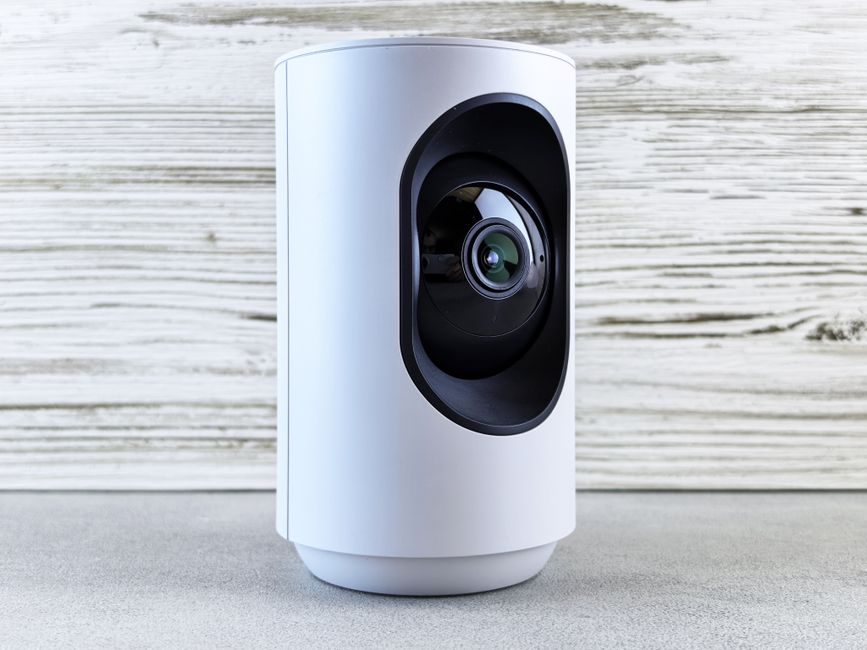
The ubiquity of smart home technology has profoundly reshaped our relationship with our living spaces, blurring the lines between convenience and constant observation. What began as novel gadgets, like remote-controlled lights or voice-activated assistants, has rapidly evolved into an intricate ecosystem where every component, from your smart doorbell to your internet-connected oven, contributes to a sprawling network of data collection. This isn't just about targeted advertising, though that's certainly a significant piece of the puzzle; it's about the construction of detailed personal profiles that can reveal everything from your daily schedule and sleep patterns to your health concerns and intimate conversations. Think about it: your smart speaker records your voice commands, your smart TV tracks your viewing habits, your fitness tracker monitors your heart rate, and your smart security camera logs every visitor and movement within its field of view. Individually, these data points might seem innocuous, but when aggregated, analyzed by sophisticated algorithms, and cross-referenced with other data sources, they paint an astonishingly comprehensive picture of your life, a digital shadow that follows you everywhere, even within the supposed safety of your own home.
The genesis of this pervasive data collection lies deep within the business models of many IoT device manufacturers. Unlike traditional electronics, which were often a one-time purchase, smart devices frequently operate on a "data-as-currency" model. The physical hardware might be sold at a razor-thin margin, or even at a loss, with the expectation that the real value will be derived from the ongoing stream of user data. This data, once anonymized (or sometimes, not so anonymized), becomes a valuable commodity, sold to advertisers, market researchers, and even other tech companies looking to refine their AI models. It’s a subtle yet profound shift in consumer electronics, where you're not just buying a product, but inadvertently enrolling yourself in a continuous data-sharing agreement. This economic incentive drives companies to design devices that collect as much information as possible, often making it deliberately difficult for users to understand or control these data flows. The result is a system where the default settings are almost always geared towards maximum data extraction, leaving the onus on the user to navigate complex menus and privacy policies to opt out, if such an option even exists.
Consider the sheer volume and granularity of data being collected. A smart thermostat doesn't just know your preferred temperature; it learns when you leave for work, when you return, how long you typically stay in certain rooms, and even the nuances of your HVAC system's performance. A smart refrigerator might track your eating habits, grocery lists, and even the expiration dates of your food. A smart bed could monitor your sleep cycles, heart rate, and breathing patterns. This isn't abstract data; it's profoundly personal information that, in the wrong hands, could be used for identity theft, targeted scams, or even physical surveillance. The potential for misuse extends beyond corporate profit; state actors, hackers, and even disgruntled individuals could exploit vulnerabilities to gain unauthorized access to your home network, turning your smart devices into tools for espionage or disruption. The Mirai botnet attack of 2016, which leveraged insecure IoT devices like cameras and DVRs to launch massive denial-of-service attacks, served as a stark, chilling reminder of the collective vulnerability inherent in a vast, interconnected web of poorly secured devices. It demonstrated that the security of your smart doorbell isn't just about your home; it's about the stability of the entire internet infrastructure.
The Silent Invasion Unmasking the Hidden Agenda of Convenience
The allure of convenience often blinds us to the underlying privacy implications, creating a dangerous complacency towards the devices we invite into our homes. We readily adopt new technologies, eager for the benefits they promise – automation, remote control, effortless living – without fully grasping the trade-offs. This psychological phenomenon, often dubbed "privacy paradox," describes the disconnect between people's stated privacy concerns and their actual behavior. We say we care about privacy, yet we continue to click "agree" on lengthy terms and conditions we haven't read, and we rarely delve into the intricate settings of our smart devices. Manufacturers capitalize on this paradox, designing user interfaces that prioritize ease of setup and use, often burying critical privacy controls deep within sub-menus or obscure settings, making them difficult to find and even harder to understand. This isn't accidental; it's a deliberate design choice that steers users towards default settings that maximize data collection, framing it as essential for the device's functionality or for improving user experience.
Furthermore, the rapid pace of innovation in the smart home sector means that regulatory frameworks often lag significantly behind technological advancements. Governments and consumer protection agencies are perpetually playing catch-up, struggling to define appropriate safeguards for a constantly evolving landscape. While landmark legislation like GDPR in Europe and CCPA in California have made strides in granting individuals more control over their data, their reach is not universal, and enforcement can be challenging, especially when dealing with multinational corporations. This regulatory vacuum creates an environment where companies can operate with relative impunity, pushing the boundaries of data collection until a public outcry or a major breach forces a re-evaluation. The lack of standardized security and privacy protocols across the industry also exacerbates the problem, meaning that a device from one manufacturer might have robust encryption and transparent data policies, while a similar device from another might be a gaping security hole, collecting and transmitting data without adequate protection. This inconsistency places an undue burden on the consumer, who is expected to become an expert in cybersecurity and privacy policies for every single device they bring into their home.
"The greatest threat to privacy is often convenience. When we prioritize ease of use above all else, we inadvertently open the door to unseen observers and unchecked data collection." - A leading cybersecurity expert
The long-term implications of this widespread data collection are truly staggering. Beyond immediate concerns like targeted advertising, there's the specter of future uses we can't even foresee. Imagine a future where your home insurance premiums are determined by your smart bed's sleep data, or your eligibility for a loan is influenced by your smart refrigerator's assessment of your eating habits. The data collected today, seemingly innocuous, could be aggregated and analyzed years down the line, revealing patterns and insights that could be used to discriminate, manipulate, or control. This isn't just about individual privacy; it's about the fabric of a free society. When corporations and governments possess such granular insights into the lives of citizens, the potential for surveillance capitalism to morph into something far more insidious becomes a very real and present danger. It is precisely because of these profound, often hidden, risks that understanding and actively managing the privacy settings of your smart home devices is not merely a recommendation; it is an absolute imperative, a critical step in reclaiming your digital sovereignty before the invisible threads of data collection weave an inescapable web around your life.