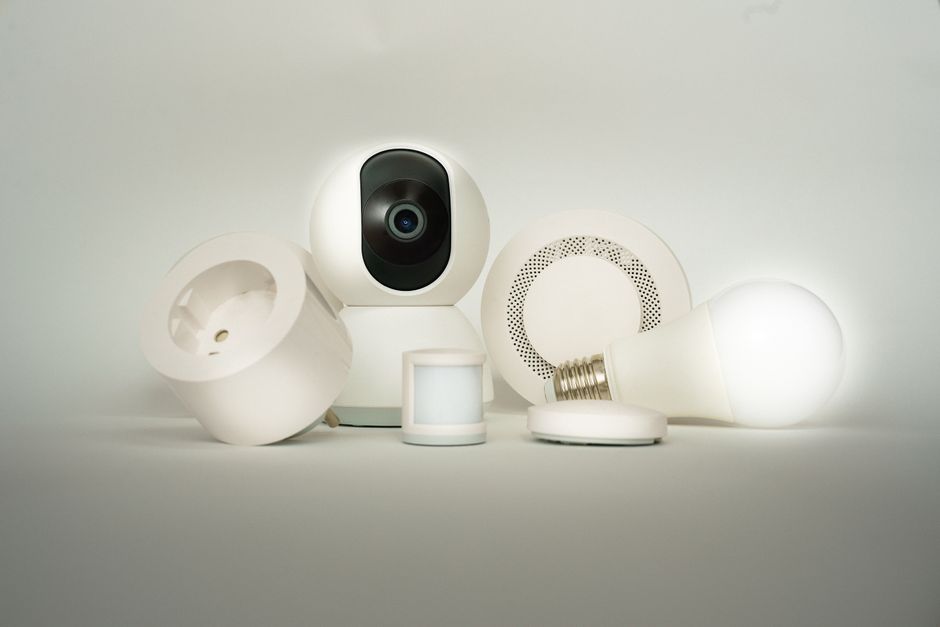
In the quiet hum of our smart homes, often unnoticed and certainly uninvited, lurk the most potent tools for pervasive surveillance: microphones and cameras. These ubiquitous sensors, embedded in everything from our voice assistants and smart TVs to our video doorbells and security cameras, represent the frontline of data collection, capturing the most intimate and unfiltered aspects of our lives – our voices, our faces, our movements, and the very fabric of our daily interactions. The convenience they offer is undeniable: verbally commanding your lights to dim, seeing who’s at the door while you’re away, or having a watchful eye over your home. Yet, this convenience comes at an extraordinarily high privacy cost, a cost that is often obscured by slick marketing and the promise of a seamlessly integrated lifestyle. The reality is that these devices, by their very nature, are designed to listen and to watch, transforming our private spaces into potential stages for constant, subtle, and sometimes deeply invasive observation, not just by the companies that make them, but by anyone who might gain unauthorized access. It’s a chilling thought that the devices we trust to protect our homes could, in fact, be the most vulnerable entry points for digital intrusion and personal exposure.
The fundamental issue with always-on microphones and cameras is the inherent tension between their intended functionality and the absolute need for privacy. Voice assistants, for instance, are designed to "always listen" for their wake word, such as "Alexa" or "Hey Google." While manufacturers assure us that recordings only begin *after* the wake word is detected, the reality is more nuanced. The device must constantly process ambient audio to identify that wake word, meaning it’s perpetually "on." Furthermore, accidental activations are common, leading to snippets of private conversations being recorded and transmitted to company servers. Numerous reports have highlighted instances where these recordings, sometimes highly sensitive or personal, were reviewed by human contractors to "improve AI accuracy." This practice, often buried deep within terms of service, means that your most intimate moments could be listened to by strangers, a stark violation of the sanctity of your home. Similarly, smart cameras, while providing peace of mind, can become instruments of fear if compromised. The very lens intended to deter intruders can be turned against you, offering a live feed of your home to malicious actors, transforming a security measure into a significant security risk. The trust we place in these devices is immense, and unfortunately, that trust is often misplaced or exploited.
Silencing the Unseen Microphones and Blinding the Prying Cameras
The microphones and cameras embedded within our smart home devices are arguably the most intrusive elements of the entire IoT ecosystem, holding the potential to capture the most sensitive data about our lives. From the innocuous smart speaker in your kitchen to the security camera overlooking your living room, these sensors are designed to be omnipresent, listening for commands or watching for activity. While the convenience they offer is undeniable – controlling your home with your voice, monitoring your property remotely – the privacy implications are profound and often underestimated. The primary concern with voice assistants, for example, is their "always-on" nature. To respond to a wake word like "Alexa" or "Hey Google," these devices must constantly listen to ambient audio, processing it locally to detect the specific trigger phrase. While companies assert that recordings are only sent to the cloud *after* the wake word is detected, the very act of constant listening raises significant privacy questions. Accidental activations are not uncommon, meaning snippets of private conversations, sometimes highly personal or sensitive, can be inadvertently recorded and transmitted to company servers. These recordings are then often used for "AI training" or "product improvement," sometimes even reviewed by human transcribers, turning your private discussions into data points for corporate analysis.
The issue of human review of voice recordings became a major scandal for companies like Amazon and Google a few years ago, sparking widespread public outrage. It revealed that the "AI" listening to your commands wasn't always just an algorithm; sometimes, it was a person in a distant office, listening to your family arguments, your children's questions, or your most intimate confessions. While these companies have since adjusted their policies and made it easier for users to opt out of human review, the fundamental capability for such surveillance remains. Moreover, the raw audio data, even if not human-reviewed, is still processed and stored, contributing to a detailed profile of your speech patterns, vocabulary, and even emotional state. This data can be used to infer personal information, such as your age, gender, and even health conditions, all of which can be valuable to advertisers or other third parties. The sheer volume of this auditory data, collected continuously over months and years, creates an unprecedented digital record of your life within your home, a record that exists outside your control and is vulnerable to breaches, subpoenas, or misuse.
Smart cameras and video doorbells present an equally, if not more, alarming set of privacy challenges. While their primary purpose is security and monitoring, their always-on visual capabilities can be easily exploited. There have been numerous high-profile cases of smart camera systems being hacked, allowing unauthorized individuals to view live feeds, access recorded footage, and even communicate through the devices' two-way audio features. Imagine a stranger peering into your child's bedroom or watching your daily activities through a camera you installed for protection. The psychological impact of such a breach is immense, completely eroding the sense of safety and privacy within one's own home. Beyond malicious hacking, there are concerns about how law enforcement agencies or other state actors can request or compel access to camera footage without a warrant, especially in jurisdictions with less robust privacy protections. Companies like Ring, for example, have faced scrutiny for their partnerships with police departments, which have, in some instances, allowed officers to request footage directly from users, raising questions about due process and surveillance creep. The camera in your home, intended as a guardian, can quickly become an unwilling accomplice in the erosion of your civil liberties.
The Creepy Convenience Examining the Ethics of Always-On Surveillance
The ethical tightrope walk between convenience and constant surveillance is perhaps nowhere more precarious than with always-on microphones and cameras. We readily embrace devices that promise to simplify our lives, often without fully contemplating the profound implications of inviting perpetual listeners and watchers into our most private spaces. The design philosophy behind many of these devices actively encourages a state of passive acceptance, where the benefits of voice control or remote monitoring are so heavily emphasized that the inherent privacy risks fade into the background. This "creepy convenience" is a psychological phenomenon where users, despite acknowledging the potential for privacy infringements, continue to use and adopt technologies due to their perceived utility or the fear of being left behind. It's a delicate balance, and unfortunately, many manufacturers err on the side of maximizing data collection, leaving the consumer to bear the burden of understanding and mitigating the risks.
Furthermore, the data collected by these devices is not static; it's dynamic and constantly evolving, painting an increasingly detailed picture of your life. Voice data, for example, can be used to identify unique voiceprints, potentially linking you across different devices and platforms. Facial recognition technology in smart cameras, while often touted for its ability to identify family members or detect intruders, also creates a biometric database of everyone who enters your home. This highly sensitive information, once collected, is incredibly difficult to truly erase and can be subject to various forms of exploitation, from identity theft to sophisticated phishing attacks. The potential for secondary uses of this data, beyond its initial stated purpose, is vast and often opaque. Could your voice data be used to clone your voice for fraudulent purposes? Could your facial recognition data be used to track your movements in public spaces without your consent? These are not far-fetched scenarios but genuine concerns that arise from the unchecked collection of such intimate biometric and auditory information. The very act of embracing these technologies without understanding their full privacy implications is akin to inviting a stranger into your home and handing them a detailed dossier of your entire life.
"Our smart homes are becoming digital confessionals, recording our every utterance and movement. The question isn't whether this data will be used, but how, and by whom." - Digital rights activist
The solution to mitigating these pervasive risks lies in a multi-pronged approach that combines proactive user action with a critical re-evaluation of our relationship with these devices. Firstly, it is absolutely paramount to locate and adjust the microphone and camera settings on every single smart device you own. This often involves delving into the device's companion app, navigating through privacy menus, and explicitly opting out of data collection, human review, and unnecessary sharing. For voice assistants, consider disabling the "wake word" feature entirely and instead using a physical button to activate the microphone, or better yet, using the mute button whenever the device is not actively in use. Many smart speakers now include a physical microphone kill switch, which offers a much stronger guarantee of privacy than a software toggle. For smart cameras, assess whether a constant live feed is truly necessary. Can you configure them to only record when motion is detected, or to only activate when you're away from home? Furthermore, consider physical privacy covers for any indoor cameras, much like you would for a laptop webcam. It’s a simple, low-tech solution that provides an immediate and undeniable barrier to visual surveillance. The goal is to move from a default state of constant monitoring to one of intentional, user-controlled activation, ensuring that these powerful sensors only operate when and how you explicitly choose, thereby reclaiming a crucial layer of privacy within the very heart of your personal sanctuary.