Mapping Your Intimate Spaces with Surprising Detail
Robot vacuums, those diligent little disc-shaped helpers, have become a staple in many modern homes, quietly zipping around, keeping floors tidy with minimal human intervention. They represent the epitome of effortless living, freeing us from a tedious chore and allowing us to focus on more important things. The advanced models, particularly those equipped with LiDAR (Light Detection and Ranging) or sophisticated camera systems, don't just randomly bump around; they meticulously map your home's layout, learning the precise dimensions of each room, the location of furniture, and even identifying obstacles. This mapping capability is what makes them so efficient, allowing them to navigate complex environments, avoid hazards, and clean systematically. It's a marvel of engineering, transforming a simple cleaning appliance into a spatial intelligence gathering unit, silently accumulating an incredible amount of data about your most private environment.
The problem, from a privacy perspective, is that these detailed floor plans and spatial data are incredibly valuable. They offer an intimate understanding of your living space – its size, its contents, your preferred furniture arrangements, and even the patterns of foot traffic. While companies like iRobot (maker of Roomba) have stated they do not sell customer data and are committed to privacy, there have been instances where the potential for such data monetization was openly discussed. Imagine a future where your robot vacuum’s map data is sold to an interior design firm, an insurance company, or even a smart furniture manufacturer. They could then target you with ads for new sofas based on the empty space in your living room, or adjust your insurance premiums based on the perceived value of your home’s contents and layout. More disturbingly, this data could theoretically be used by burglars to pre-plan a heist, or by foreign intelligence agencies to build detailed dossiers on individuals. The very technology that allows these devices to clean efficiently is also creating a digital blueprint of your personal sanctuary, a blueprint that could be exploited in ways we are only just beginning to comprehend, turning your humble floor plan into a lucrative data asset.
Your Climate Control System Knows More Than Just the Temperature
Smart thermostats, like Google's Nest or Ecobee, are marketed as intelligent devices that learn your preferences, optimize energy usage, and save you money on utility bills. They seamlessly integrate into your smart home ecosystem, allowing you to adjust temperatures remotely, schedule climate changes, and even detect your presence to ensure comfort and efficiency. These devices leverage an array of sensors – temperature, humidity, and often passive infrared (PIR) motion sensors – to build a comprehensive understanding of your household's routines. They learn when you’re home, when you’re away, when you sleep, and your preferred temperature settings for different times of day. This data forms a detailed picture of your daily life, your energy consumption patterns, and even subtle indicators of your presence or absence. It's an incredibly useful tool for managing your home's climate, but it’s also a powerful data collector, observing your most fundamental routines.
The privacy implications of this data collection are significant. Your smart thermostat knows precisely when you leave for work and when you return, when you go to bed and when you wake up. This information, while seemingly innocuous, can be highly revealing. It could be aggregated with data from other smart devices to create an even more complete profile of your lifestyle. Imagine an insurance company using this data to assess risk, or a marketing company targeting you with specific promotions based on your daily schedule. Furthermore, many smart thermostats are part of larger corporate ecosystems, like Google's, meaning the data collected by your Nest device can be combined with data from your Google searches, your Android phone, and your smart speaker. This creates an incredibly detailed, holistic view of your life, merging your online and offline activities into a single, comprehensive digital identity. While manufacturers often emphasize anonymization and aggregation, the sheer volume and intimacy of the data collected raise legitimate concerns about how it could be used now, and how it might be used in the future, as data analytics become even more sophisticated and pervasive.
Reclaiming Your Digital Sanctuary: Practical Steps for Privacy
Understanding the privacy implications of smart home devices is the crucial first step, but knowledge without action is merely anxiety. The good news is that you don't have to live in a cave or abandon technology entirely to protect your privacy. There are concrete, actionable steps you can take right now to mitigate the risks and regain a sense of control over your digital footprint within your own home. It’s about making informed choices, adjusting settings, and sometimes, yes, physically disconnecting devices that pose an unacceptable risk. Think of it as a digital detox for your living space, a conscious effort to prune the unnecessary data streams and fortify your personal boundaries against the ever-encroaching gaze of surveillance capitalism.
One of the most immediate and impactful actions you can take is to conduct a thorough audit of your smart home devices. Go room by room, making a list of every internet-connected gadget you own. For each device, ask yourself: Is this truly essential? Do I understand what data it collects? Can I live without its "smart" features? For devices like smart speakers, consider if the always-on microphone is truly necessary for your usage. Many offer physical mute buttons; use them when you’re not actively interacting with the device. For smart TVs, delve into the settings menu and actively disable Automatic Content Recognition (ACR) and any other data collection features you can find. These settings are often buried deep within sub-menus, sometimes under names like "Smart Interactivity" or "Usage Data," so be prepared to do a bit of digging. Disabling these features might mean losing some personalized recommendations, but it’s a small price to pay for reclaiming your viewing privacy.
Fortifying Your Network and Understanding Your Devices
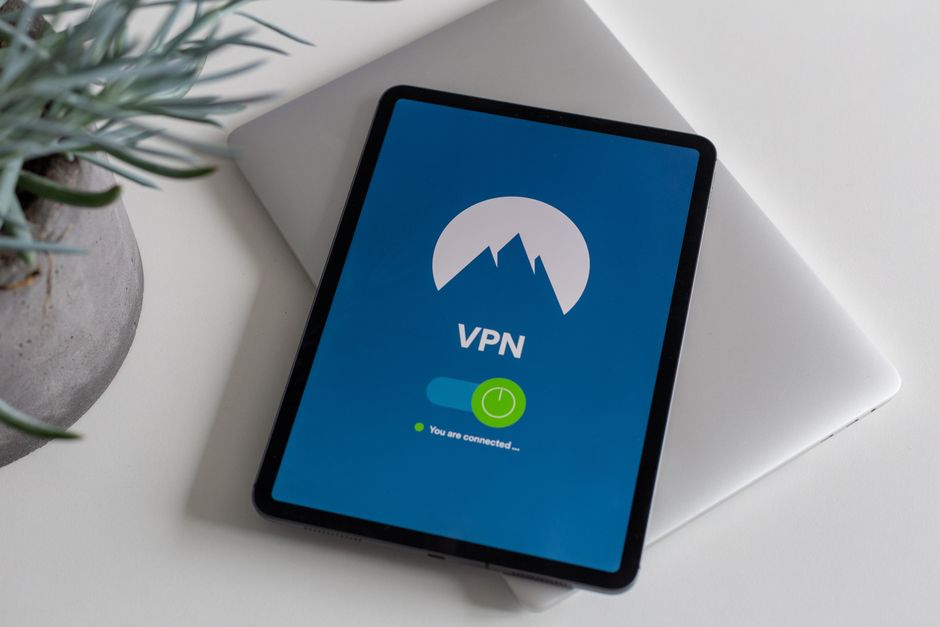
Beyond individual device settings, your home network itself is the gateway for all this data, making its security paramount. Start by ensuring your Wi-Fi network is secured with a strong, unique password – not the default one that came with your router. Consider setting up a separate Wi-Fi network specifically for your smart home devices, often called a "guest network" or a "VLAN" (Virtual Local Area Network) if your router supports it. This isolates your smart gadgets from your more sensitive devices like laptops and smartphones, preventing a compromised smart bulb from potentially accessing your entire home network. Furthermore, a reputable Virtual Private Network (VPN) can encrypt your internet traffic, adding an extra layer of privacy for all devices connected to your router, though it's important to choose one that has a strong no-logs policy and a proven track record. While a VPN won't stop a smart speaker from recording your voice, it will obscure your IP address and encrypt data transmissions from devices that connect to external servers, making it harder for third parties to track your online activity.
It’s also incredibly important to familiarize yourself with the privacy policies of the devices you choose to keep. While daunting, try to find summaries or reputable reviews that highlight the key data collection practices. Look for devices that offer local processing of data, meaning information is analyzed on the device itself rather than being sent to the cloud. Some newer security cameras, for instance, offer local storage options via an SD card, which can significantly reduce your reliance on cloud services and the associated privacy risks. When purchasing new devices, make privacy a key criterion. Research brands that prioritize user privacy and transparency, even if they might come at a slightly higher price point. This shift in consumer demand is crucial for encouraging manufacturers to design products with privacy by design, rather than as an afterthought.
Strategic Disconnection and Mindful Engagement
For devices that present an unacceptable privacy risk, or for those whose "smart" features you rarely use, consider the ultimate step: unplugging them. If your smart TV's internet features are rarely used, simply disconnect it from your Wi-Fi network. If you only use your smart speaker for music playback and occasionally ask about the weather, perhaps a traditional Bluetooth speaker is a more privacy-conscious alternative. For video doorbells and security cameras, evaluate whether continuous cloud recording is truly necessary. Many offer options for event-based recording or local storage, which can significantly reduce the amount of personal data being transmitted and stored off-site. The goal isn't to live in a technology-free vacuum, but to be intentional about which technologies you invite into your home and under what terms.
Finally, cultivate a mindset of mindful engagement with technology. Before bringing any new smart device into your home, pause and ask critical questions: What data does this device need to function? What data *could* it collect? Is the convenience it offers truly worth the potential privacy trade-off? By empowering yourself with knowledge and taking proactive steps to secure your smart home, you can transform it from a potential surveillance hub back into the private sanctuary it was always meant to be. It’s a continuous journey, not a one-time fix, but every step you take towards greater digital autonomy is a victory for your personal privacy in an increasingly connected world. Your home should be your castle, not a data farm, and with a bit of vigilance, you can ensure it remains so.