Your Conversational Companions Could Be Constant Eavesdroppers
The ubiquitous smart speaker, whether it’s an Amazon Echo with Alexa, a Google Home device, or an Apple HomePod, has become the poster child for smart home convenience. These cylindrical or spherical gadgets sit innocuously on our kitchen counters and bedside tables, ready to play music, set timers, answer trivia, or control other smart devices with a simple voice command. Their ability to respond to our natural language, to understand context, and to even develop a semblance of personality has made them incredibly popular, transforming the way many households interact with technology. It feels like having a helpful, always-on assistant, ready to spring into action at a moment’s notice, making our lives just a little bit smoother and more connected.
However, the very feature that makes smart speakers so useful – their always-on microphones designed to detect a "wake word" – is also their biggest privacy Achilles' heel. While manufacturers assure us these devices only begin recording and sending audio to the cloud *after* hearing their wake word (e.g., "Alexa" or "Hey Google"), the reality is far more nuanced and concerning. To reliably detect that wake word, the device's microphone is constantly listening, processing ambient audio locally. This constant vigilance means that every sound in your home – every conversation, every argument, every intimate moment – is being analyzed by the device, even if it’s theoretically not being recorded and sent to the cloud. And what happens when a device mishears a wake word, or when a sound in the background is misinterpreted as an instruction? These "false positives" can lead to snippets of private conversations being recorded and uploaded to company servers, where they may be transcribed, analyzed by AI, and even reviewed by human employees to "improve" the service. There have been numerous documented instances of these devices recording private conversations and even sending them to unintended contacts, sparking significant alarm and demonstrating the inherent risks.
The Pervasive Gaze of Your Entertainment Hub
Your smart TV, once a simple display for broadcast and disc media, has evolved into a sophisticated surveillance device, silently gathering data about your viewing habits, app usage, and even your physical location. Modern smart TVs, regardless of brand, are typically equipped with Automatic Content Recognition (ACR) technology. This system works by identifying what's being displayed on your screen, whether it's a TV show, a movie, a commercial, or content from a connected device like a gaming console or streaming stick. It then sends this information, often alongside your IP address and other device identifiers, back to the TV manufacturer and their advertising partners. This isn't just about knowing you watched a particular show; it's about building a granular profile of your entertainment preferences, your demographic, and your potential purchasing power based on the ads you're exposed to and how you interact with them. It's a level of insight that traditional television never offered, and it's incredibly valuable for targeted advertising.
Consider the widely publicized case of Vizio, which in 2017 settled with the FTC for $2.2 million after being accused of collecting viewing data from millions of smart TVs without users' explicit consent. The company was found to be collecting precise viewing information, second by second, from approximately 11 million smart TVs and then selling that data to third-party advertisers. This wasn't an isolated incident; other manufacturers have faced similar scrutiny. Moreover, many smart TVs now include built-in microphones and even cameras, ostensibly for voice control or video calls. While these features can be convenient, they introduce additional vectors for potential surveillance. Samsung famously warned users that their smart TVs could capture "personal or other sensitive information" if they spoke about it in front of the device, reminding us that our entertainment centers have become potential eavesdroppers, turning our living rooms into data collection hubs that feed a relentless advertising machine.
The Ever-Watchful Eyes at Your Doorstep and Beyond
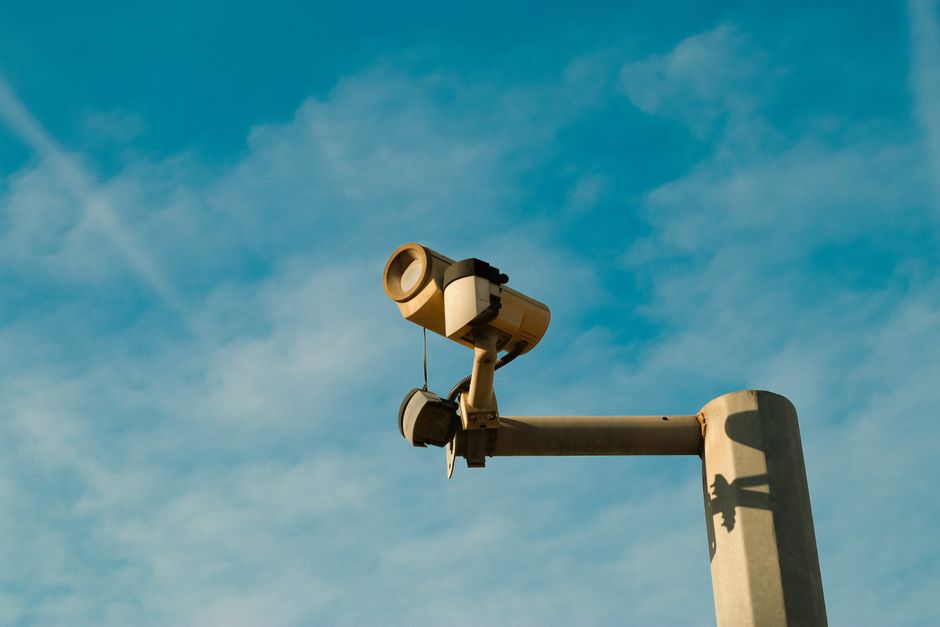
Video doorbells and home security cameras have surged in popularity, offering homeowners a sense of security and control by allowing them to monitor their properties remotely. The ability to see who’s at the door, communicate with visitors, or keep an eye on pets and packages while away from home is undeniably appealing. From Ring to Arlo, Nest to Eufy, these devices promise peace of mind, delivering live feeds and motion-triggered alerts directly to our smartphones. They’ve become a standard fixture in many neighborhoods, creating a visible deterrent to crime and providing valuable evidence in the unfortunate event of a break-in. The sales pitch is compelling: enhanced safety and connectivity, all at your fingertips, transforming your porch into a constant surveillance zone, but one you control.
However, the convenience and security offered by these devices come with profound privacy implications, not just for the homeowner but for everyone who passes by. These cameras are constantly recording, capturing footage of neighbors walking their dogs, children playing, delivery drivers, and anyone else who enters their field of view. This creates a de facto private surveillance network across entire communities, with footage often stored indefinitely in the cloud, accessible to the device manufacturer and potentially other parties. Ring, owned by Amazon, has faced particular scrutiny for its extensive partnerships with thousands of law enforcement agencies across the United States. These partnerships allow police to request footage directly from Ring users, often without a warrant, raising serious civil liberties concerns about pervasive surveillance and the erosion of public privacy. Furthermore, these devices are internet-connected, making them potential targets for hackers. There have been numerous reports of security camera feeds being compromised, allowing unauthorized individuals to view or even speak through the devices, turning a tool meant for security into a terrifying window for malicious actors into our homes and lives. The feeling of safety is paramount, but at what cost to the privacy of our communities and ourselves?