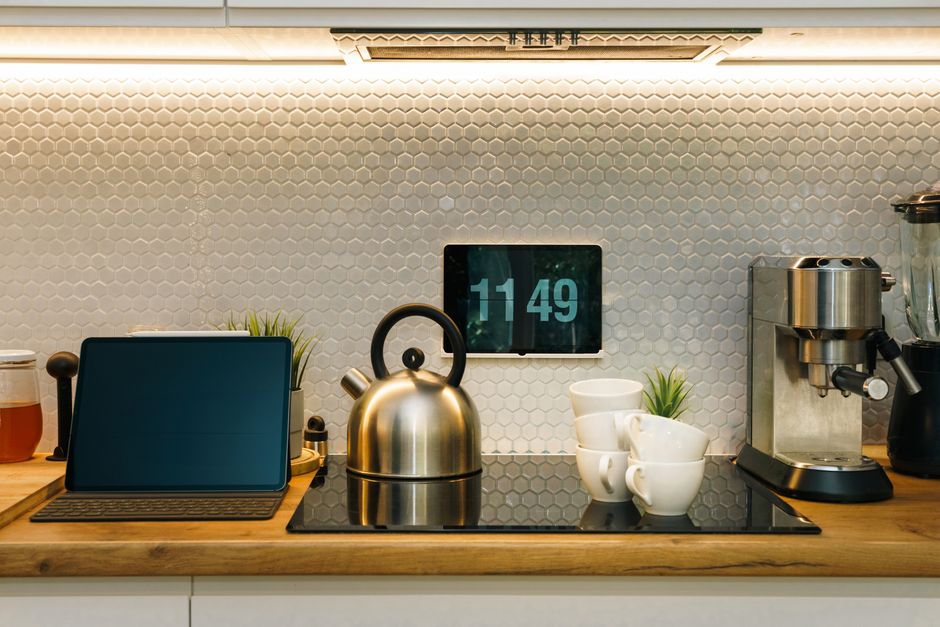
The soft glow of your smart display illuminates the kitchen counter, a digital sentinel quietly awaiting your next command. Your voice assistant, ever-eager, stands ready to play your favorite podcast, adjust the thermostat, or add milk to your shopping list. It’s a marvel of modern convenience, a seamless integration of technology into the fabric of daily life, promising to make our homes smarter, our lives easier, and our futures more connected. Yet, beneath this veneer of effortless living lies a disquieting truth, a silent agreement we’ve all unwittingly made: our smart homes, those bastions of comfort and control, are also incredibly adept at listening, watching, and collecting an astonishing amount of data about our most intimate moments. This isn't just about targeted ads for cat food you only discussed verbally; it's about a pervasive, always-on surveillance system that fundamentally redefines the boundaries of personal privacy within the very spaces we consider most sacred.
For years, as a journalist and senior web content writer deeply embedded in the world of cybersecurity and online privacy, I've tracked the relentless march of technology into our homes. From rudimentary smart plugs to sophisticated whole-home automation systems, the promise has always been greater efficiency and unparalleled comfort. But with every new device we invite into our living rooms, bedrooms, and even bathrooms, we also open a new digital window into our private lives, a window that often looks out directly to the servers of multinational tech giants like Amazon, Google, and Apple. The data streams are constant, flowing from our voices, our habits, our preferences, and even our most casual conversations, painting an increasingly detailed picture of who we are, what we do, and what truly makes us tick. It's a trade-off many have accepted, perhaps without fully comprehending the true cost, believing the convenience outweighs the unseen encroachment, or simply because the alternative feels like stepping back into a less connected past.
The Echo in the Room How Voice Assistants Became Ears in Our Homes
When Amazon introduced Alexa in 2014, it wasn't just launching a speaker; it was ushering in a new era of ambient computing, making voice interaction with technology commonplace. Google Home, and later Nest Hub devices, quickly followed suit, transforming our understanding of what a home appliance could be. These devices, seemingly innocuous cylinders and screens, are designed to be always listening, constantly attentive to a specific wake word – "Alexa," "Hey Google," "Siri." This fundamental design choice, while necessary for their functionality, is the cornerstone of the privacy debate, as it implies a perpetual state of audio capture, even if only buffered locally for a few seconds. The companies assure us that recordings are only sent to the cloud after the wake word is detected, but the very act of constantly processing ambient sound raises legitimate concerns about what else might be inadvertently captured, analyzed, and stored, creating a detailed auditory log of our lives.
The sheer volume of data that can be gleaned from voice interactions extends far beyond simple commands. Think about the casual conversations that happen within earshot, the arguments, the laughter, the intimate whispers, the financial discussions, or even health-related queries. While the tech giants maintain that these snippets are not intentionally recorded or used unless the wake word is triggered, numerous reports and incidents have surfaced over the years that challenge this assertion. There have been instances of smart speakers mistakenly activating and recording private conversations, sending them to unintended recipients, or simply uploading them to company servers for "quality control" or "product improvement" purposes, often without explicit, clear consent from all parties present in the room. These aren't just isolated glitches; they are stark reminders of the inherent vulnerability when an always-on microphone becomes a fixture in our most private spaces, capable of capturing the unfiltered soundtrack of our lives.
Moreover, the data collected from voice interactions isn't just about the words themselves; it's about the metadata, the context, and the inferences that can be drawn. The frequency of commands, the types of queries, the time of day you ask for news or music, your preferred genres, your shopping habits, even your emotional state as detected by voice intonation – all contribute to a rich, granular profile. This profile, meticulously constructed over time, allows these companies to understand your routines, your interests, your family dynamics, and even your mood, creating an incredibly powerful tool for targeted advertising and predictive behavior analysis. It’s a subtle yet profound shift from traditional data collection, where you actively input information, to a passive, ambient collection that happens simply by existing within the proximity of these devices. The convenience is undeniable, but the cost, in terms of relinquishing control over your personal auditory landscape, is a trade-off that many are only beginning to fully comprehend.
The Pervasive Reach Beyond Voice Sensors and Surveillance
While voice assistants grab headlines, the surveillance capabilities of smart homes extend far beyond just listening. Modern smart homes are veritable sensor networks, quietly collecting data from every corner of your living space. Smart thermostats, like Google's Nest, don't just regulate temperature; they learn your presence patterns, your preferred climate settings at different times of day, and even detect when you're away. Smart lighting systems track your routines, when you turn lights on and off, which rooms you frequent. Smart security cameras, often equipped with facial recognition and motion detection, provide a constant visual feed, identifying who enters and exits your home, and sometimes even who is simply passing by. These disparate data points, when aggregated and analyzed, paint an incredibly detailed and often unsettling picture of your daily life, far more comprehensive than any single data stream could achieve.
"The smart home is essentially a data factory, and you are the primary product. Every interaction, every movement, every spoken word contributes to an ever-growing digital dossier." - Dr. Evelyn Thorne, Cybersecurity Ethicist.
Consider the implications of this multi-faceted data collection. A smart doorbell camera might capture your arrival home, while your smart lock records the exact time you enter. Your thermostat notes your presence, and your smart speaker logs your request for dinner music. All these seemingly innocuous data points, when correlated, reveal your precise schedule, who visits you, how long they stay, and even your habits within your own home. This level of insight is invaluable for marketers, who can tailor advertisements with unprecedented precision, but it also presents significant risks for privacy and security. Imagine this data falling into the wrong hands, or being exploited by malicious actors; the potential for stalking, burglary planning, or even corporate espionage becomes chillingly real. The convenience of automation often overshadows the critical need for robust data governance and transparency regarding how this deeply personal information is collected, stored, and utilized by the companies we trust to secure our homes.
The problem is exacerbated by the often-opaque terms of service agreements that accompany these devices. Most consumers, myself included, rarely read these lengthy legal documents in their entirety, effectively granting blanket permission for data collection and sharing without fully understanding the scope. This lack of informed consent creates a power imbalance, where our privacy is implicitly surrendered for the sake of convenience. The ecosystem of smart devices is constantly expanding, with new gadgets promising to make our lives even more effortless, but each addition adds another sensor, another microphone, another camera to the network, further intensifying the data collection apparatus. It's a relentless march towards a fully instrumented home, where every aspect of our existence is measurable, recordable, and ultimately, monetizable, challenging our fundamental right to anonymity and solitude within our own four walls.