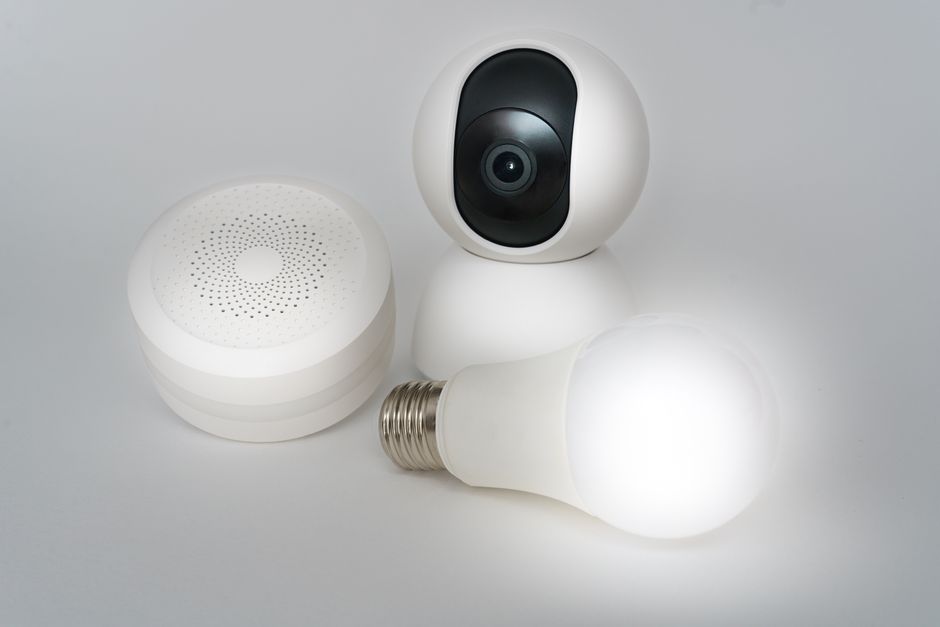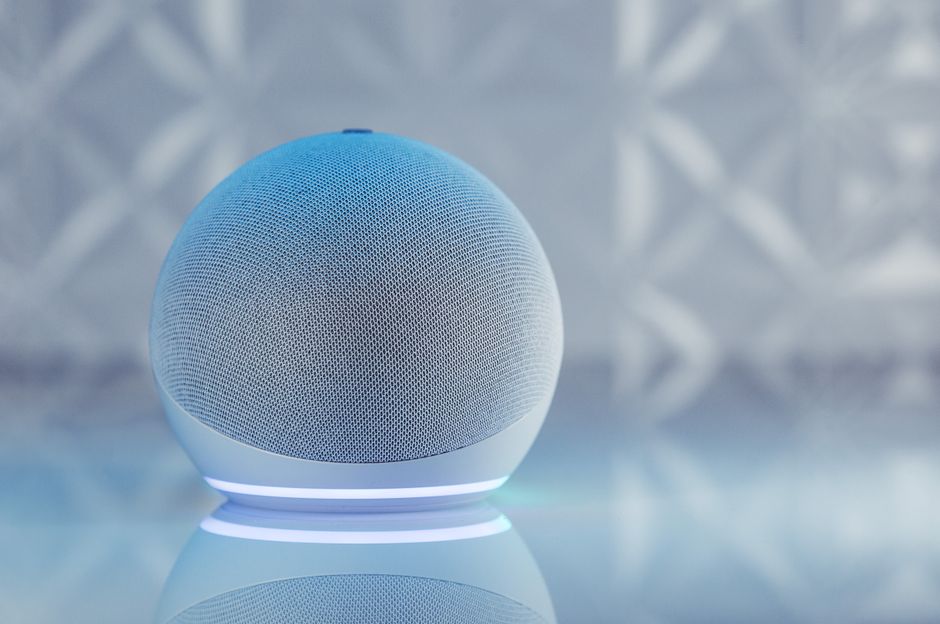
The digital footprint left by our smart home interactions isn't just a scattered collection of data points; it's a meticulously assembled mosaic, revealing the most intimate details of our lives. When you combine the voice commands, the temperature preferences, the light schedules, the motion sensor activations, and the video feeds, a comprehensive narrative emerges. This narrative isn't just about your preferences for ambient lighting or your taste in music; it delves into your daily routines, your sleeping patterns, your social habits, and even the nuances of your household's dynamics. Imagine a scenario where your smart thermostat knows when you're home or away, your smart speaker tracks your morning news routine, and your smart doorbell logs every visitor. This interconnected web of data creates an incredibly detailed profile, one that often knows more about your personal life than even your closest friends or family members, all without you ever explicitly typing a single piece of information into a search bar.
This deep level of insight is precisely what makes smart home data so valuable to tech companies. It allows them to refine their algorithms, improve their services, and, most lucratively, target advertising with an almost surgical precision. If your smart speaker overhears you discussing a new car, or your smart TV detects you watching automotive reviews, you can bet your next online browsing session will be inundated with car ads. While some might argue this is merely efficient marketing, the underlying concern is the erosion of privacy and the feeling of being constantly monitored, even in the sanctuary of your own home. The boundaries between public and private spaces blur when every utterance and movement can be cataloged and analyzed, transforming our homes into unwitting data collection outposts for corporate interests, often without our full understanding or explicit, granular consent regarding the specific uses of this deeply personal information.
The Invisible Hand of Data Brokers How Your Home's Secrets Are Traded
The data collected by your smart home devices doesn't always stay neatly within the confines of Amazon, Google, or Apple's servers. A vast, shadowy industry of data brokers exists, operating largely out of public view, whose business model revolves around acquiring, aggregating, and selling personal information. Your smart home data, whether it's anonymized usage patterns, inferred demographics, or even specific voice interaction transcripts (often justified under broad "service improvement" clauses), becomes a commodity in this bustling marketplace. These brokers piece together fragments of information from various sources – your online activities, your purchase history, public records, and yes, increasingly, your smart home devices – to construct incredibly detailed profiles of individuals and households. These profiles are then sold to advertisers, insurance companies, political campaigns, and even other data analytics firms, often without any direct knowledge or consent from the individuals whose lives are being dissected and sold.
Consider the implications: an insurance company might subtly adjust your premiums based on data indicating irregular sleeping patterns detected by your smart mattress or frequent late-night activity logged by your smart lights. A lender might assess your creditworthiness not just on traditional financial metrics, but on behavioral patterns inferred from your smart home ecosystem. Political campaigns could target you with highly specific messages based on your perceived interests and demographics, all derived from the intimate details of your daily life within your own walls. This isn't science fiction; it's the current reality of the data economy. The broad, often vague terms and conditions we agree to when setting up smart devices often include clauses that permit data sharing with "partners" or "affiliates," which can encompass a wide array of third parties, effectively giving these companies carte blanche to monetize the insights gleaned from our private lives. This intricate web of data sharing makes it incredibly difficult, if not impossible, for the average consumer to trace where their data goes and how it is ultimately used.
When the Walls Have Ears Government Surveillance and Legal Loopholes
Beyond commercial exploitation, the data collected by smart home devices also presents a significant concern regarding government access and surveillance. In an era of heightened security concerns and evolving legal frameworks, law enforcement agencies and intelligence services are increasingly seeking access to this treasure trove of personal information. Whether through subpoenas, warrants, or even less formal requests, tech companies are regularly compelled to hand over data, including voice recordings, video footage from smart cameras, and location data derived from smart devices. While companies often push back on overly broad requests, the legal precedents for accessing digital data are still being shaped, and the balance between individual privacy and national security often tips in favor of the latter, especially in urgent situations or criminal investigations.
"The digital panopticon isn't just theoretical; it's integrated into our homes. Every smart device we install adds another lens, another microphone, another sensor that could, under specific legal circumstances, be turned against us or used to monitor our private lives." - Edward Snowden, Whistleblower.
There have been numerous high-profile cases illustrating this tension. In one notable instance, police sought recordings from an Amazon Echo device to aid in a murder investigation, leading to a protracted legal battle over privacy rights versus investigative needs. While Amazon initially resisted, they ultimately complied with a warrant. Similar situations have arisen with smart doorbell cameras, where footage has been requested and provided to law enforcement, sometimes even proactively shared by the device owners themselves, unaware of the broader privacy implications for others. The chilling aspect is that these devices, designed for convenience and security, can transform into powerful surveillance tools for external entities, often without the explicit knowledge or consent of the homeowner, or even worse, without a warrant if the data is already deemed "public" or voluntarily shared with a third party. This creates a deeply unsettling precedent, where the very tools meant to simplify our lives can become instruments for monitoring our every move and utterance, challenging the fundamental right to privacy within our own homes.
The legal landscape surrounding smart home data is complex and constantly evolving, often lagging behind technological advancements. Existing privacy laws, such as the Electronic Communications Privacy Act (ECPA) in the U.S., were enacted long before the advent of always-on voice assistants and networked home sensors, making their application to current technologies a legal gray area. This ambiguity allows tech companies to operate with considerable leeway, often interpreting their obligations in ways that prioritize data collection and monetization over robust privacy protections. Without clear, comprehensive legislation that specifically addresses the unique challenges posed by smart home devices, consumers are left largely unprotected, relying on the goodwill and self-regulation of corporations whose primary incentive is profit. The lack of standardized data retention policies, transparent sharing agreements, and clear consent mechanisms further compounds the problem, leaving individuals vulnerable to the unseen forces that are quietly cataloging and commodifying their private lives.