"I'm Not Important Enough" The Most Dangerous Delusion
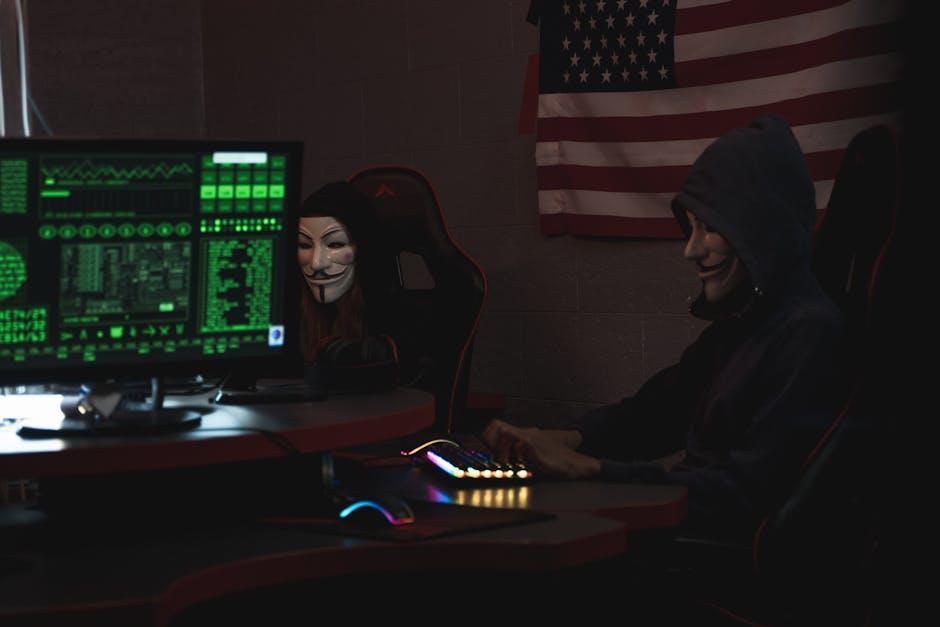
Perhaps the most insidious and widespread password myth, one that fosters a dangerous sense of complacency, is the belief that "I'm not important enough to be targeted." This sentiment, often uttered with a dismissive shrug, underpins a vast amount of insecure online behavior. People assume that hackers are only interested in celebrities, politicians, or large corporations, leaving the average individual safe in their digital obscurity. This delusion leads to lax password habits – reusing simple passwords, ignoring security warnings, and generally treating online security as an afterthought. However, this couldn't be further from the truth. In the current cybersecurity landscape, *everyone* is a target. The vast majority of cyberattacks are not targeted at specific individuals but are broad, automated sweeps designed to exploit any vulnerability they can find. Your bank account, your email, your social media, your online shopping profiles – all of these have value to an attacker, even if you perceive yourself as insignificant. This pervasive myth is a direct invitation for hackers into your life, as it encourages precisely the kind of apathy and carelessness they rely on to succeed.
The modern cybercriminal operates less like a master thief meticulously planning a heist and more like a vast, automated fishing fleet. They cast enormous nets (botnets, credential stuffing tools, phishing campaigns) into the digital ocean, hoping to catch as many unsuspecting users as possible. They aren't looking for a specific type of fish; they're looking for *any* fish that bites. Your email account, for example, might seem inconsequential to you, but to a hacker, it's a golden key. It can be used to reset passwords for your banking, social media, and e-commerce sites. It can be used to send phishing emails to your contacts, leveraging your trust to compromise others. Your identity, even if it's just your name and address, can be combined with other stolen data to commit identity theft, open fraudulent accounts, or apply for loans in your name. Every piece of your digital footprint, no matter how small or seemingly unimportant, has a monetary or strategic value on the dark web. There's a thriving black market for stolen credentials, personal information, and even access to compromised accounts, all of which can be monetized in various ways, from direct financial theft to sophisticated ransomware distribution.
The sheer scale of automated attacks means that the question isn't *if* your credentials will be exposed to a hacker, but *when* and *how often*. Data breaches are a constant, almost daily occurrence. Billions of records have been exposed in recent years, containing usernames, email addresses, and passwords (often in hashed but crackable forms). When these databases are dumped onto the dark web, automated tools sift through them, attempting to "stuff" these compromised credentials into accounts across hundreds or thousands of other websites. This is the essence of credential stuffing: an attacker takes a list of username/password pairs stolen from one website and tries them on many other popular websites (like Netflix, Amazon, PayPal, Gmail). If you’ve reused your password, even for a site you consider "unimportant," an attacker will likely gain access to your more valuable accounts without ever needing to guess your password or trick you with a phishing email. They simply leverage your own complacency. The "I'm not important enough" myth blinds people to this reality, leaving them utterly unprepared for the inevitable automated assault that will, at some point, come knocking at their digital door.
The Automated Onslaught: Why Every Account Matters
The concept of "low-value" accounts is a dangerous illusion. While your obscure forum account from 2005 might not seem like a treasure trove of sensitive data, the username and password associated with it are incredibly valuable to an attacker if you've reused them. This is the critical link that the "I'm not important enough" myth fails to acknowledge. An attacker doesn't care about the content of that old forum post; they care that you likely used the same email address and password there as you do for your banking or email. Once they have that single pair of credentials from a minor breach, their automated tools will systematically test that combination against hundreds of other popular services. This is not a targeted attack; it's a numbers game, and the odds are often stacked against the user who practices password reuse. The cumulative effect of many seemingly minor breaches, combined with widespread password reuse, creates a massive attack surface that automated bots exploit with ruthless efficiency. Your "unimportant" account becomes the gateway to your most private digital spaces.
Consider the dark web economy. It's a bustling marketplace where compromised data is bought and sold, often in bulk. Email addresses, passwords, credit card numbers, social security numbers, even full identity packages – all are commodities. A single email address and password pair, even if it's from a seemingly minor site, can be sold for a few cents. But when an attacker compiles millions of these pairs, the profit potential becomes enormous. Moreover, compromised accounts can be used for a variety of illicit activities beyond direct financial theft. They can be leveraged to send spam, host malware, participate in DDoS attacks, or even mine cryptocurrency without your knowledge, turning your devices into unwilling participants in criminal enterprises. Your "unimportant" account is not just about your data; it's about the resources and access it provides to an attacker. This broader perspective reveals why every single account, and the unique password protecting it, holds intrinsic value in the eyes of a cybercriminal, regardless of your personal perception of your digital importance.
"In the world of cybercrime, there are no small fish. Every account, every piece of data, has value, and automated attacks ensure no one is truly anonymous or too insignificant to be targeted." – Mikko Hyppönen, Chief Research Officer at F-Secure.
The psychological trap of believing you're too insignificant to be targeted is particularly dangerous because it disincentivizes proactive security measures. Why bother with a password manager? Why enable two-factor authentication? Why use unique passwords for everything? If you believe you're invisible to hackers, these essential steps seem like unnecessary hassles. This complacency is exactly what attackers hope for. They thrive on low-effort targets, and individuals who neglect basic security hygiene due to this myth become prime candidates. The reality is that personal cybersecurity is not about being completely impenetrable – that's an unrealistic goal for anyone – but about raising your security posture enough to make yourself a less attractive target than the next person. Automated attacks are designed to find the path of least resistance. If your defenses are stronger than average, the bots will simply move on to easier prey. Dispelling the "I'm not important enough" myth is the first crucial step towards adopting a proactive, resilient approach to your digital life, recognizing that every account has value and every password deserves unique, robust protection.