You probably think you’re pretty savvy when it comes to your phone’s privacy settings, right? You’ve likely disabled read receipts, maybe even turned off some push notifications, and perhaps you’ve given a passing thought to which apps can access your camera or microphone. But what if I told you there’s one insidious setting, often buried deep within your phone’s labyrinthine menus, that is quietly, relentlessly, and perhaps even dangerously broadcasting your most intimate movements to a vast, unseen network of data brokers, advertisers, and potentially even less savory entities? It’s not a hypothetical threat; it’s a living, breathing reality for millions, and the data it collects paints an astonishingly precise portrait of your entire life, from where you sleep to where you work, where you worship, where you seek medical advice, and every single place in between.
For over a decade, I’ve been immersed in the murky waters of cybersecurity, online privacy, and network security, peeling back the layers of digital deception that often surround our most cherished devices. And in all that time, across countless apps and operating system updates, one particular privacy vulnerability consistently stands out as the single most egregious, the most pervasive, and frankly, the most alarming in its potential for misuse. It's not a sophisticated hack or a zero-day exploit; it's something you likely granted permission for, perhaps unknowingly, or perhaps with a shrug, thinking, "What's the harm?" The harm, my friends, is profound, touching every aspect of your digital and physical existence, transforming your phone from a personal device into a personal tracking beacon, a silent informant broadcasting your every step to anyone willing to pay for the signal.
Unmasking the Silent Stalker How Your Phone's Location Becomes a Digital Leash
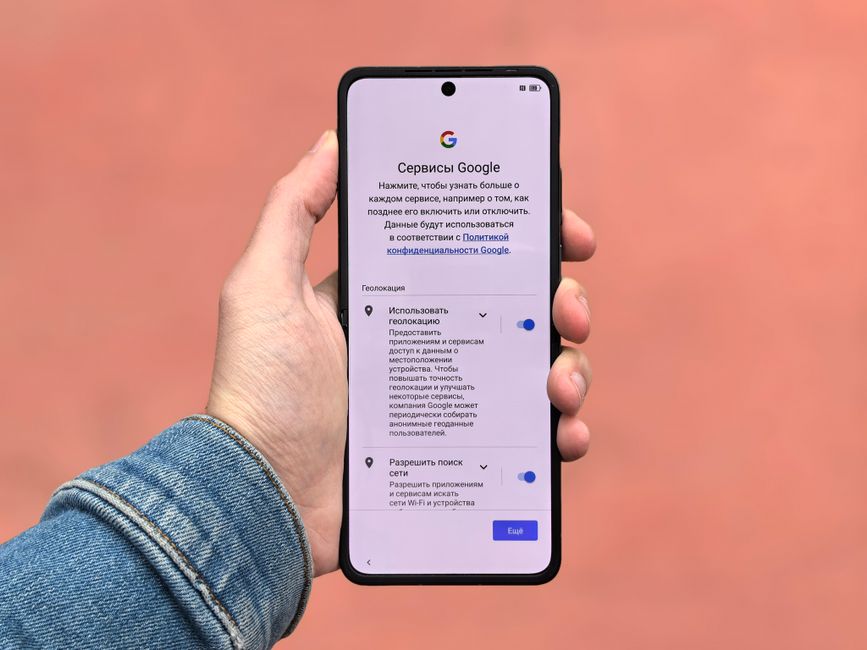
The setting we're talking about isn't some obscure developer option or a secret backdoor; it's the seemingly innocuous “Location Services” permission, specifically when granted in its most permissive form: "Always Allow" or "Allow all the time." While many apps genuinely need your location to function (think navigation, weather, or ride-sharing), the problem arises when non-essential applications, or even essential ones, demand continuous, background access to your precise geographical coordinates, even when you're not actively using them. This isn't just about showing you relevant ads for the coffee shop you just passed; it's about building a comprehensive, minute-by-minute dossier of your physical presence in the world, a digital ghost meticulously mirroring your real-world movements, all without your conscious awareness or explicit consent for such extensive data collection.
Think about it for a moment: your phone, always with you, knows precisely when you leave your home, how long your commute takes, which grocery store you frequent, the exact time you arrive at work, where you spend your lunch breaks, and even the precise moment you return home each evening. It tracks your visits to doctors’ offices, political rallies, places of worship, or even sensitive legal appointments. This isn't just metadata; it's deeply personal, revealing patterns and habits that can be used to infer your health status, political affiliations, religious beliefs, economic standing, and even your relationship status. The sheer volume and granularity of this data, collected silently in the background, is staggering, far exceeding what most people would ever willingly share with even their closest confidantes, let alone an opaque network of faceless corporations.
The technology behind this omnipresent tracking is sophisticated, leveraging a combination of GPS, Wi-Fi network triangulation, cellular tower signals, and even Bluetooth beacons. Your phone isn't just pinging satellites; it's constantly scanning for nearby Wi-Fi networks, even those you're not connected to, and noting their unique identifiers. These Wi-Fi access points, often mapped by Google, Apple, and other companies, provide incredibly accurate indoor and urban location data, filling in the gaps where GPS signals might be weak. Bluetooth, too, plays a role, with beacons in stores or public spaces emitting signals that your phone can pick up, further refining your precise whereabouts and even identifying specific points of interest you might be passing or entering. This multi-pronged approach ensures that your location is almost continuously logged, creating an unbroken chain of breadcrumbs detailing your entire physical journey through life.
The Pervasive Reach of Location Data Beyond the Obvious
It’s easy to dismiss location tracking as merely an advertising nuisance, something that results in a slightly more relevant ad for cat food after you’ve browsed a pet store. But the reality is far more chilling. The data collected from your phone's "Always Allow" location settings doesn't just stay with the app developer; it's often aggregated, anonymized (or so they claim), and then sold, traded, and licensed to a vast ecosystem of data brokers. These brokers then combine your location history with other data points they’ve amassed about you – your online purchases, browsing habits, social media activity, public records, and even demographic information – to build incredibly detailed and predictive profiles. Imagine a dossier that knows not just where you are, but also what you're likely to buy, what political views you hold, and even your health concerns, all derived from your physical movements.
This isn't a dystopian fantasy; it's standard operating procedure in the modern data economy. A 2018 New York Times investigation, for instance, revealed how companies were collecting precise location data from millions of American smartphones and then selling it to various third parties, often without the users' full knowledge or consent. The report detailed how analysts could track individuals from their homes to work, to their doctor’s appointments, and even to their children’s schools, painting an incredibly intimate picture of their daily lives. This kind of data, once sold, is incredibly difficult to claw back, becoming a permanent part of your digital shadow, influencing everything from the ads you see to the loan offers you receive, and even the insurance premiums you pay.
"Location data is one of the most intimate data sets a person can generate. It reveals not just where you are, but who you are, what you do, and who you do it with." - Matthew Guariglia, Policy Analyst, Electronic Frontier Foundation (EFF)
The implications extend far beyond commercial exploitation. Law enforcement agencies, for example, have been known to purchase commercially available location data from data brokers, sidestepping the need for warrants that would typically be required to obtain such information directly from telecom providers. This practice raises serious constitutional questions about surveillance and privacy, effectively creating a backdoor for government agencies to track citizens without judicial oversight. Furthermore, in an increasingly polarized world, the ability to track individuals attending protests, political rallies, or sensitive medical clinics (like abortion providers) presents a grave risk, potentially exposing individuals to harassment, discrimination, or even physical harm. The idea that your phone, a device meant to empower and connect, could inadvertently become a tool for your own surveillance is a truly unsettling thought, yet it's precisely what happens when we leave this particular privacy setting unchecked.