Reclaiming Our Homes From Always-Listening Gadgets
Our homes, once sanctuaries of privacy, are increasingly becoming data collection hubs, thanks to the proliferation of smart home devices. From voice assistants like Amazon Alexa and Google Assistant to smart TVs, security cameras, thermostats, and even connected refrigerators, these gadgets promise unparalleled convenience, automating tasks and simplifying our lives. But beneath their sleek interfaces and helpful voices lies a network of sensors, microphones, and cameras, constantly collecting data about our most private spaces and routines. This always-on, always-listening, and often always-watching capability presents an unprecedented opportunity for AI to observe, learn, and infer details about our lives that extend far beyond what we might ever consciously share, transforming our living rooms into unwitting data laboratories.
Consider the humble smart speaker. Designed to respond to a "wake word," these devices are equipped with highly sensitive microphones that are, by necessity, always listening for that trigger phrase. While companies assure us that recordings are only sent to the cloud *after* the wake word is detected, numerous incidents have revealed the flaws in this system. Accidental recordings, misinterpreted commands, and even human reviewers listening to snippets of conversations have all been documented. When these audio snippets, even short ones, are fed into advanced AI systems, they can be analyzed for voice biometrics, emotional tone, background noises, and even the content of casual conversations. AI can infer the number of people in a household, their routines, their preferred music, their shopping habits, and even their relationships, all from the seemingly innocent interactions with a smart speaker.
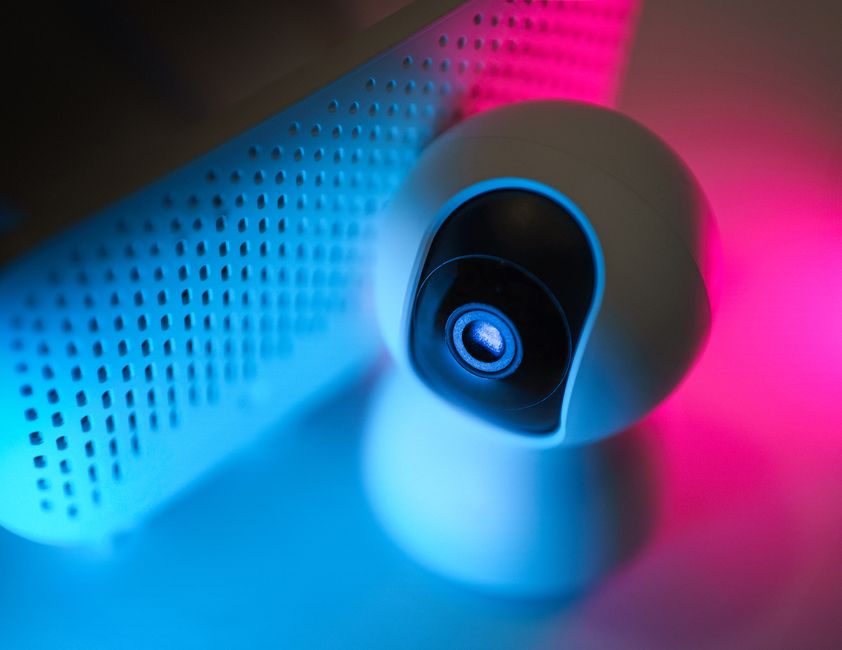
Smart security cameras, while offering peace of mind, also present a significant privacy dilemma. Many modern cameras employ AI-powered features like facial recognition, person detection, and even pet detection. While useful for distinguishing a delivery driver from a stranger, these features mean that the camera is constantly processing visual data, identifying individuals, and tracking their movements within its field of view. This visual data, often streamed to cloud servers, can be used by AI to map out your household's comings and goings, identify visitors, and even infer activities within your home. A recent report from Consumer Reports highlighted how many smart camera companies have lax security and privacy standards, making them vulnerable to breaches and unauthorized access, turning your private moments into potential public spectacles for AI analysis or malicious actors.
The Internet of Things: A Web of Vulnerabilities
The problem extends far beyond just smart speakers and cameras. The broader "Internet of Things" (IoT) encompasses a vast array of connected devices, each with its own data collection capabilities. Smart thermostats learn your temperature preferences and daily schedule. Smart TVs track your viewing habits, what apps you use, and even what advertisements you skip. Smart appliances might monitor your usage patterns, what food you store, or how often you open the fridge. Each of these devices, individually, might seem innocuous, but when their data streams are aggregated and fed into powerful AI algorithms, a shockingly comprehensive picture of your domestic life emerges.
Imagine an AI system that combines data from your smart thermostat (when you're home), your smart TV (what you watch), your smart speaker (what you say), and your smart lights (when they're on). This AI could infer when you wake up, when you leave for work, when you return, who visits you, what your interests are, and even aspects of your health or mood. This isn't just about selling you more products; it’s about creating a predictive model of your entire household, a model that could be exploited for targeted advertising, social engineering attacks, or even more nefarious forms of surveillance. The convenience these devices offer comes at the steep price of continuously broadcasting intimate details of our private lives to unseen algorithms.
"Our smart homes are becoming digital panopticons, designed for convenience but inadvertently creating a constant stream of highly personal data. AI is the unseen guard, learning our every habit and whisper." – Dr. Evelyn Reed, IoT Security Expert.
The vulnerability of these devices is also a major concern. Many IoT devices are rushed to market with inadequate security, making them easy targets for hackers. A compromised smart camera could allow an attacker to spy on your home. A hacked smart thermostat could reveal when you're away. The Mirai botnet, a notorious example, leveraged insecure IoT devices like cameras and routers to launch massive distributed denial-of-service (DDoS) attacks, demonstrating the widespread vulnerabilities in this ecosystem. When these devices are compromised, the data they collect, which AI so eagerly consumes, becomes exposed, turning your personal information into a commodity for cybercriminals or even state-sponsored actors.
Securing Our Digital Domiciles
While the prospect of an AI-powered surveillance state within our own homes is daunting, there are concrete steps you can take to mitigate the risks and reclaim some privacy. It requires a mindful approach to purchasing and configuring smart home technology, prioritizing privacy alongside convenience.
First and foremost, be discerning about what smart devices you bring into your home. Ask yourself: Is this convenience truly worth the potential privacy trade-off? Do I really need a smart toaster, or is a regular one perfectly fine? When you do decide on a smart device, research its privacy policy and security track record. Look for companies that offer clear data retention policies, local processing options (where data is analyzed on the device itself rather than in the cloud), and strong encryption. Some devices, for example, allow you to disable microphones or cameras when not in active use, a feature worth prioritizing.
Next, meticulously configure the privacy settings of all your smart devices. For voice assistants, delve into the app settings. Delete voice recordings regularly – most platforms offer an option to do this automatically or manually. Limit the amount of data sharing with third-party services. For smart cameras, define specific activity zones rather than monitoring your entire home, and disable facial recognition if it's not absolutely essential. Ensure two-factor authentication (2FA) is enabled for all smart device accounts, and use strong, unique passwords. Many devices also have a physical mute button for microphones or a lens cover for cameras; use them when you want absolute privacy.
Finally, segment your smart home network. If you have a technically inclined friend or are comfortable with networking, consider setting up a separate Wi-Fi network (a VLAN) specifically for your IoT devices. This "guest" network can be isolated from your main home network, meaning that if an IoT device is compromised, it can't easily access your computers, smartphones, or other sensitive devices. Regularly update the firmware of all your smart devices. Manufacturers often release security patches to address vulnerabilities, and keeping your devices updated is crucial for maintaining their integrity against evolving threats. By taking these proactive measures, you can enjoy the benefits of smart home technology while significantly reducing the amount of personal data that AI can harvest from within your most private space.