Reclaiming Your Digital Sanctuary: Practical Steps to Protect Your Privacy
Understanding the pervasive nature of smart home data collection can feel overwhelming, like trying to fight an invisible enemy within your own walls. However, you are not powerless. While it's nearly impossible to completely eliminate all data collection in our hyper-connected world without disconnecting entirely, there are concrete, actionable steps you can take to significantly reduce your digital footprint and regain a greater sense of privacy in your home. Think of this as a digital spring cleaning, a systematic approach to fortifying your personal space against unwanted digital intrusion and ensuring that your smart devices serve you, rather than the other way around. It's about being an informed and proactive digital citizen, rather than a passive data subject.
Conduct a Thorough Digital Device Audit
The first crucial step involves understanding exactly what smart devices you have and what data they are capable of collecting. Many people accumulate smart gadgets over time without a clear inventory. Take an afternoon to walk through your home, room by room, identifying every single connected device. This includes obvious ones like smart speakers, cameras, and doorbells, but also less obvious culprits: smart TVs, smart appliances (refrigerators, ovens, washing machines), smart light bulbs, smart plugs, robot vacuums, and even smart pet feeders. For each device, make a note of its brand and model. This audit forms the foundation of your privacy strategy, allowing you to address each potential data leak point individually. It’s impossible to secure what you don’t even know you own, so this initial mapping is paramount to understanding your exposure.
Once you have your list, research each device. A quick online search for "[Device Name] privacy settings" or "[Device Name] data collection" can yield a wealth of information. Pay close attention to the privacy policies of the manufacturers – yes, those lengthy documents nobody reads. Look for details on what data is collected, how it's stored, who it's shared with (third-party advertisers, law enforcement), and for how long. This might feel tedious, but it’s an essential part of becoming an empowered consumer. You might be surprised to learn what kind of information your seemingly innocent smart light bulb is sending back to its manufacturer. Understanding the exact nature of the data being harvested empowers you to make informed decisions about whether a device's convenience outweighs its privacy implications, and how best to configure it.
Master Your Device and App Privacy Settings
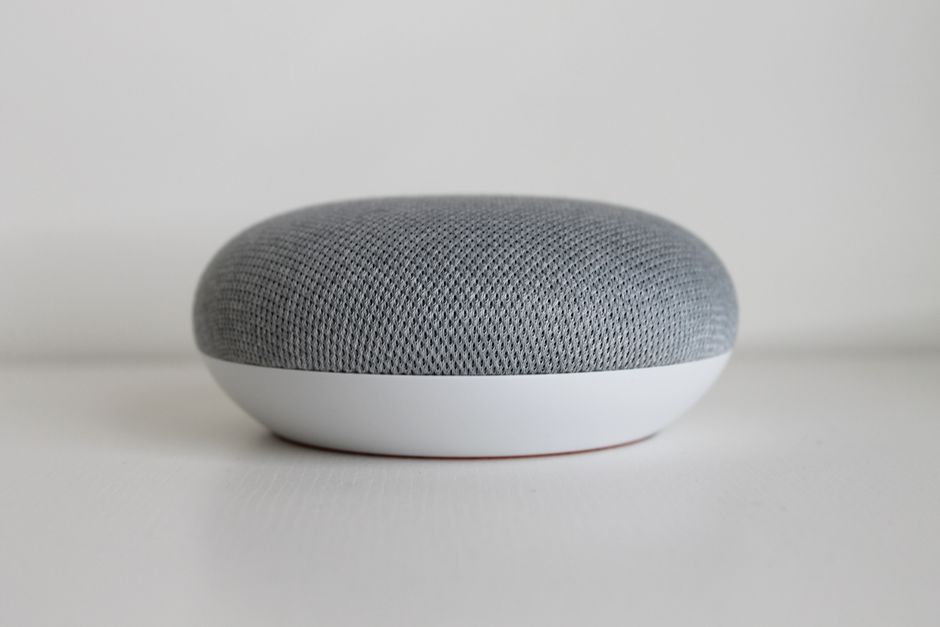
This is where the real work begins, and it requires a meticulous approach. Every smart device and its accompanying mobile app will have a dedicated set of privacy and security settings. Do not assume the default settings are privacy-friendly; they almost never are. Dive deep into these menus. For smart speakers, look for options to disable voice recording storage, delete past recordings, and turn off "personal results" or "voice purchasing" features if you don't use them. Consider disabling the "wake word" functionality entirely and instead using a physical button to activate the device, thereby eliminating its always-listening capability. This might reduce some convenience, but it significantly boosts your privacy by ensuring the microphone is only active when you explicitly intend it to be.
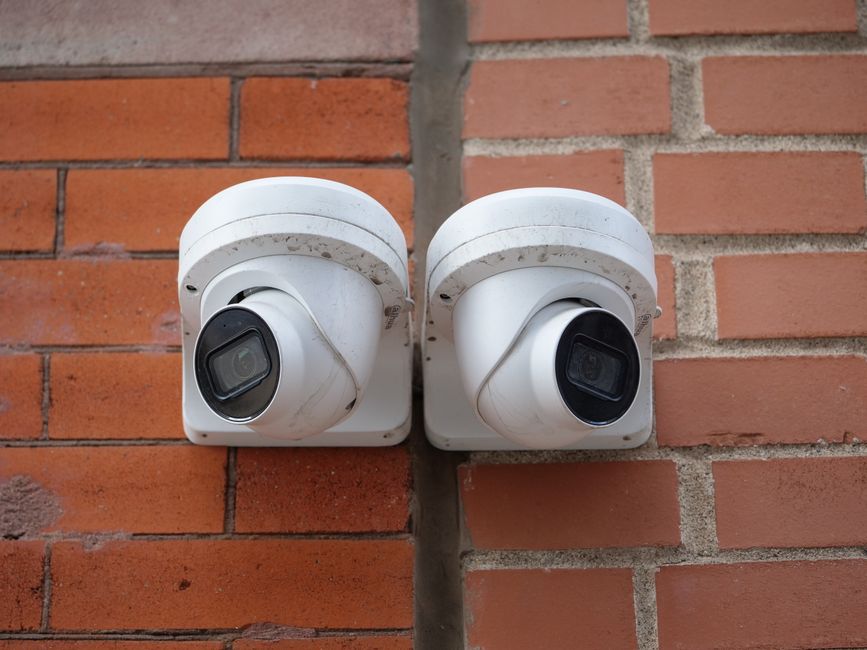
For smart cameras and doorbells, meticulously configure motion detection zones to minimize recording public spaces or your neighbor's property. Adjust sensitivity settings to reduce false alarms and unnecessary recordings. Disable facial recognition features unless absolutely critical for your security needs, and be aware of the implications if you do enable them. Crucially, explore options for local storage (e.g., an SD card) instead of relying solely on cloud storage, which keeps your video footage off remote servers. Many devices also offer specific settings for sharing data with third parties or even law enforcement; ensure you opt out of these wherever possible. Remember, these settings are often buried, so you may need to dig through multiple sub-menus to find them all, but the effort is genuinely worthwhile for peace of mind.
Fortify Your Home Network's Digital Walls
Your smart devices are only as secure as the network they connect to. Your Wi-Fi router is the gateway to your digital home, and it needs to be robustly protected. First and foremost, change the default administrator username and password on your router immediately if you haven't already. These defaults are often publicly known and represent a massive security vulnerability. Use a strong, unique password for your Wi-Fi network itself (WPA3 or WPA2-AES encryption are preferred). Consider setting up a separate "guest network" or a dedicated "IoT network" for your smart devices. This segregates them from your primary network where your computers and phones handle sensitive data, acting as a firewall in case one of your smart devices is compromised. If a smart light bulb gets hacked, the attacker won't immediately have access to your laptop.
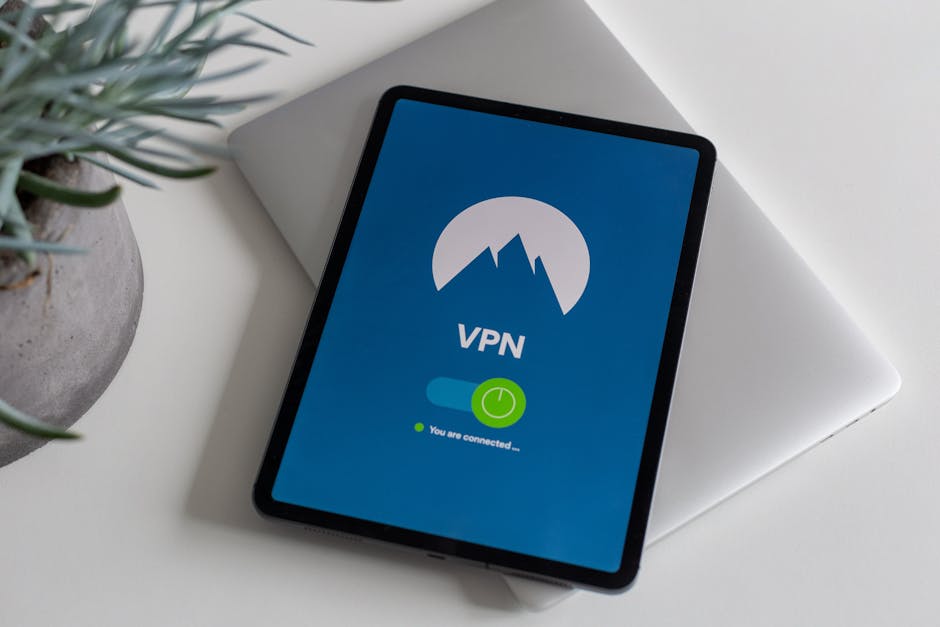
Regularly check your router's firmware for updates. Manufacturers frequently release patches to address security vulnerabilities, and keeping your firmware current is a critical defense against exploits. Think of it like updating your computer's operating system – it's just as vital for your network's brain. For the truly privacy-conscious, consider using a high-quality Virtual Private Network (VPN) at the router level. While a VPN on your individual devices protects their traffic, a VPN configured on your router encrypts all internet traffic passing through it, including that from your smart devices. This adds an extra layer of privacy by obscuring the origin and destination of data from your smart home, making it harder for third parties to track or intercept. It’s an advanced step, but one that offers significant benefits for comprehensive network security.
Embrace Data Minimization and Informed Consumption
A fundamental principle of privacy is data minimization: only share what is absolutely necessary. Before purchasing a new smart device, ask yourself if you truly need its "smart" features. Is the convenience worth the potential privacy cost? Sometimes a traditional, non-connected appliance or device is the more privacy-friendly choice. If you do opt for a smart device, try to limit the permissions you grant during setup. Does a smart light bulb really need access to your location or contacts? Probably not. Be wary of devices that demand excessive permissions seemingly unrelated to their core function.
Furthermore, if a device offers an "offline mode" or the ability to function without an internet connection for its primary features, consider utilizing it. For example, some smart cameras can record to local storage without needing a constant cloud connection. Regularly review the data stored by your smart devices and their associated apps. Many platforms offer tools to view and delete your past voice recordings, video clips, or activity logs. Make this a periodic habit, just like clearing your browser history. By being mindful about what you connect, what permissions you grant, and what data you allow to persist, you actively participate in limiting the extent of your digital dossier. It's about making conscious choices, rather than passively accepting the default settings offered by manufacturers who often prioritize data collection over user privacy.
Stay Informed and Advocate for Better Privacy Standards
The landscape of smart home technology and AI is constantly evolving, which means privacy threats and solutions are also in flux. Make it a habit to stay informed about new device vulnerabilities, privacy breaches, and advancements in data protection. Follow reputable cybersecurity news outlets and privacy advocates. The more you know, the better equipped you are to protect yourself. Beyond individual actions, consider the broader impact. As consumers, our collective voice holds power. Support companies that prioritize privacy and transparency. Demand stronger privacy regulations from lawmakers and tech companies. Speak up when you encounter egregious data collection practices. Your individual choices, combined with collective advocacy, can drive change towards a future where convenience and privacy coexist, rather than being mutually exclusive. The battle for digital privacy in the smart home is an ongoing one, but with diligence and awareness, you can ensure your sanctuary remains truly yours.