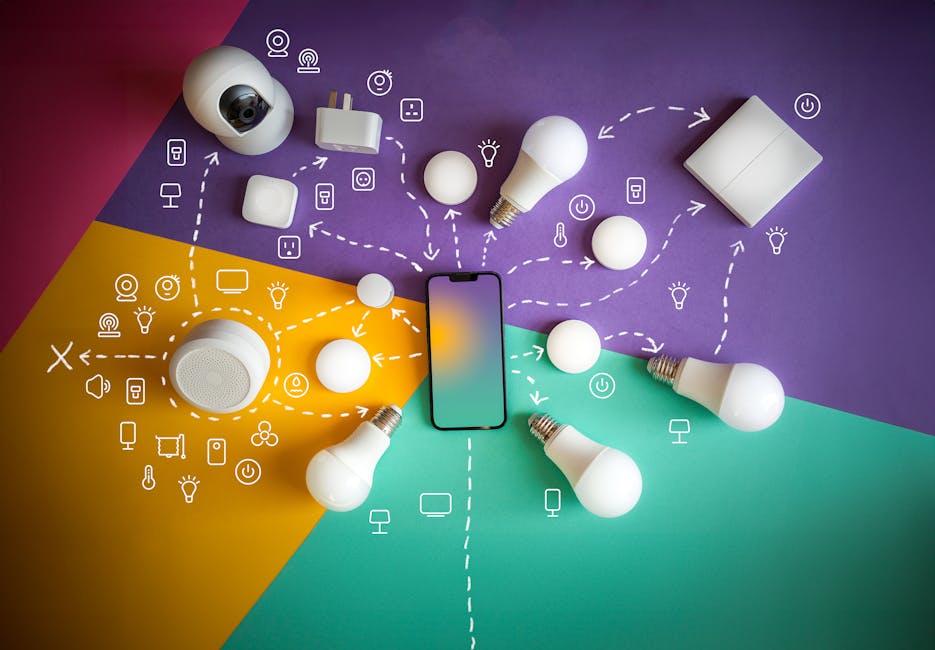
Remember that fleeting moment when you thought the internet was confined to your web browser? A quaint, almost nostalgic idea, isn't it? For years, we’ve been told to clear our cookies, use Incognito mode, and maybe, just maybe, install a VPN to protect our digital footprint. We focused on the websites we visited, the searches we made, and the emails we sent, believing that was the primary battleground for our online privacy. But while we were diligently guarding the gates of our browsers, a silent, pervasive revolution was unfolding right under our noses, creeping into every corner of our homes, our cars, and even our bodies. The truth, far more unsettling than any dystopian novel could conjure, is that your personal data is being siphoned off, analyzed, and traded by an invisible network of smart devices that have become so ubiquitous, so deeply integrated into our daily lives, that we barely even notice them anymore. This isn’t about a rogue website tracking your shopping habits; this is about your refrigerator knowing when you're low on milk, your thermostat understanding your daily schedule, and your smartwatch meticulously logging every beat of your heart, every step you take, and every hour you sleep.
The sheer scale of this data collection is staggering, extending far beyond the digital confines we've traditionally understood. We're talking about devices that listen to our conversations, watch our movements, monitor our health, and even predict our desires before we've consciously formed them. These aren't just convenient gadgets; they are sophisticated sensors, constantly observing, recording, and transmitting intimate details of our existence to corporate servers, often with little transparency and even less genuine consent. The convenience they offer, the promise of a smarter, more efficient life, has become a Trojan horse for an unprecedented level of surveillance capitalism, where our personal information isn't just a byproduct of using a service, but the primary product being harvested and sold. It's a fundamental shift in the relationship between technology and humanity, one that demands our immediate and unwavering attention, because the implications for our autonomy, our security, and the very fabric of our privacy are nothing short of profound.
The Invisible Ears and Eyes of Your Connected Home
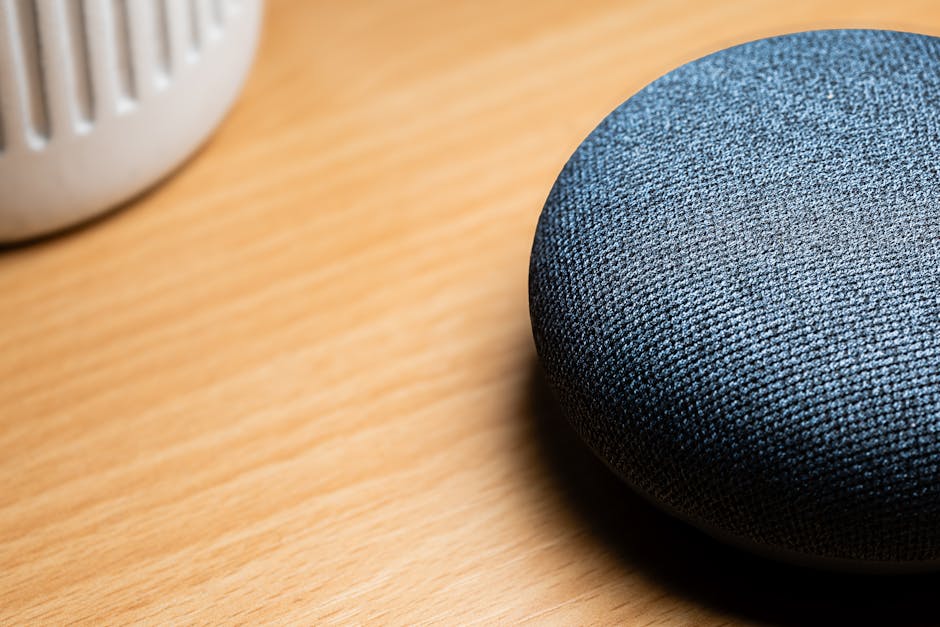
Consider the humble smart speaker, perched innocently on your kitchen counter or bedside table, ready to answer your questions, play your favorite music, or control your smart lights. Devices like Amazon's Alexa, Google Assistant, and Apple's Siri have become indispensable for millions, making our lives undeniably easier. Yet, their very functionality relies on a constant state of readiness, an always-on microphone perpetually listening for their wake word. While companies assure us these devices only record and transmit audio *after* the wake word is detected, numerous incidents have cast a long shadow of doubt over these claims. There have been reports of devices recording conversations inadvertently, sending private chats to contacts, or even being activated by sounds that merely *resembled* the wake word. The sheer volume of data involved is immense; every command, every question, every interaction is recorded, transcribed, and often stored on remote servers indefinitely. This data isn't just used to improve the service; it's a treasure trove of insights into your daily routines, your interests, your family dynamics, and even your emotional state, all fertile ground for targeted advertising and behavioral profiling.
The implications extend far beyond mere advertising. Imagine a scenario where a smart speaker, situated in your living room, inadvertently picks up sensitive information, perhaps a discussion about a medical condition, financial troubles, or even a legal dispute. This audio data, often reviewed by human contractors for quality assurance, could, in theory, be accessed or subpoenaed by law enforcement, insurance companies, or even malicious actors if security protocols are breached. The promise of anonymization often falls short, as even seemingly innocuous snippets of conversation, when combined with other data points, can easily be de-anonymized and linked back to an individual. The convenience of asking your smart speaker to add groceries to your shopping list or dim the lights comes at the cost of a persistent, digital eavesdropper embedded directly into the most private spaces of your home, constantly collecting a rich tapestry of your life, piece by intimate piece. This isn't just about what you say, but the patterns of your speech, your tone, your language, all contributing to an ever-growing digital profile that you rarely get to see, let alone control.
Your Television is Watching You Back
For many, the television is the centerpiece of entertainment, a portal to stories and information. But modern smart TVs, far from being passive display panels, are sophisticated data collection machines, equipped with powerful processors, operating systems, and an array of sensors. Features like Automatic Content Recognition (ACR) technology, often enabled by default, can identify every show, movie, and commercial you watch, regardless of the source – whether it's cable, satellite, streaming apps, or even a Blu-ray player. This isn't just about what's playing; ACR technology can also log the duration of your viewing, the times you watch, and even which ads capture your attention. This granular viewing data is then aggregated, analyzed, and often sold to advertisers, content producers, and data brokers, allowing them to build incredibly detailed profiles of your household’s preferences, demographics, and even political leanings. Companies like Samba TV and Vizio have faced significant scrutiny and legal action for their practices, highlighting just how pervasive and often undisclosed this data harvesting truly is, turning your living room into a lucrative data mine.
Beyond ACR, smart TVs also track your app usage, the websites you visit through their built-in browsers, and even your interactions with voice commands or remote control inputs. Many models include microphones for voice control and sometimes even cameras for video calls or gesture recognition, opening up further avenues for audio and visual data collection. While manufacturers typically state these features are opt-in, the default settings often lean towards maximum data collection, and the privacy policies are typically so labyrinthine and obscure that few users genuinely understand what they are agreeing to. The data collected from your smart TV, including your IP address, device identifiers, and viewing habits, is incredibly valuable. It can be cross-referenced with data from your other smart devices, your browser history, and public records to create an even more comprehensive profile, which is then used to deliver highly personalized advertisements, influence content recommendations, and even inform pricing strategies for various products and services. Your nightly ritual of unwinding with a show is, for these companies, a prime opportunity to gather intelligence on your consumer behavior, transforming your leisure time into a continuous stream of marketable data.