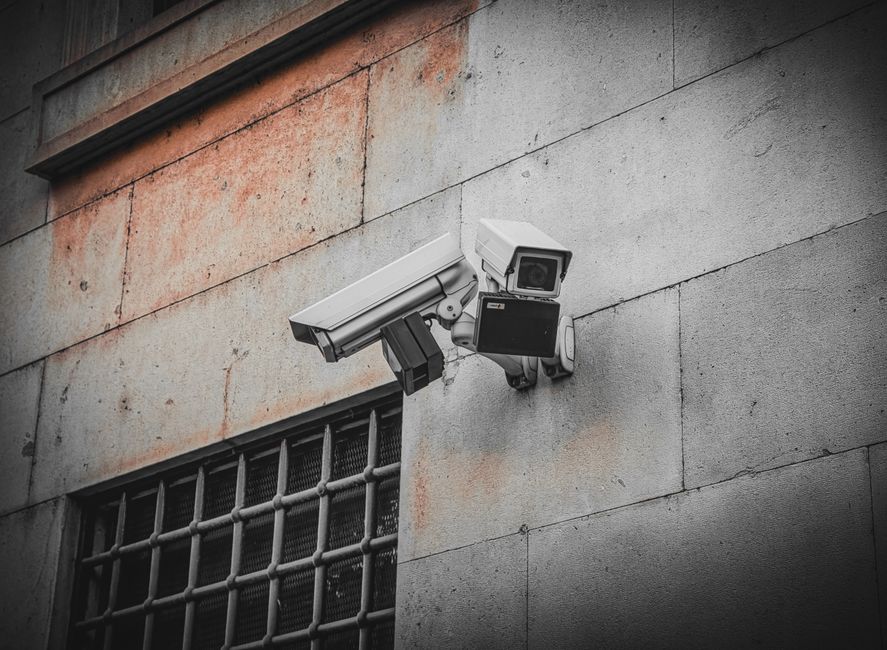
Building a Fortress Around Your Digital Footprint
Understanding the intricate web of tracking is the first step, but the real power lies in taking action. Reclaiming your digital privacy isn't about disappearing from the internet entirely; it's about making conscious choices and employing strategic tools to limit the data you willingly or unwillingly share. One of the most immediate and impactful changes you can make involves fortifying your browser and rethinking your search habits. Your web browser is the primary gateway to the internet, and by default, most browsers are configured to prioritize convenience over privacy, making them prime targets for trackers. The good news is, you don't have to accept this default. Start by ditching mainstream browsers like Chrome or Edge, which are intrinsically linked to advertising ecosystems, and migrate to privacy-focused alternatives such as Mozilla Firefox (with enhanced tracking protection enabled), Brave, or DuckDuckGo's browser. These browsers are built from the ground up with anti-tracking features, ad blockers, and fingerprinting protection as core components, not just optional add-ons.
Beyond switching browsers, supercharge your privacy by installing robust browser extensions. Tools like uBlock Origin or Privacy Badger are essential for blocking third-party trackers, ads, and pop-ups before they even load, significantly reducing the amount of data collected about your browsing behavior. Ghostery is another excellent option that not only blocks trackers but also shows you exactly which trackers are present on each website you visit, providing a fascinating, if sometimes alarming, glimpse into the hidden surveillance network. Remember to configure these extensions properly, ensuring they are active across all sites. Furthermore, make a conscious effort to regularly clear your browser's cache and cookies, and consider enabling "Do Not Track" requests, though many websites unfortunately ignore this signal. It's a cumulative effort, each small step contributing to a larger shield against pervasive online tracking, creating a less hospitable environment for data harvesters.
Finally, fundamentally change your search engine. Google, while undeniably powerful, is a data collection powerhouse, meticulously logging your search queries, location, and click-throughs to build a comprehensive profile. Switch to privacy-respecting search engines like DuckDuckGo or Startpage. DuckDuckGo, for instance, prides itself on not tracking your searches, while Startpage offers Google search results anonymously, acting as a proxy between you and Google. This simple change alone can drastically reduce the data points Big Tech gathers about your interests and intentions. It’s about choosing tools that align with your values, actively opting for services that prioritize your privacy over their profit margins, and recognizing that convenience often comes at the cost of your digital sovereignty.
Taking Back Control of Your Handheld World
Our smartphones are veritable extensions of ourselves, holding an immense amount of personal data, yet many of us treat app permissions with a casual wave of the hand. It's time to become a vigilant gatekeeper of your mobile device. The first step is to conduct a thorough audit of every app installed on your phone, both Android and iOS. Navigate to your phone's privacy settings (often under "Privacy" or "Apps & Notifications" then "Permission Manager" on Android, or "Privacy & Security" on iOS) and review the permissions granted to each application. Ask yourself: does this weather app genuinely need access to my microphone? Why does my gaming app require access to my contacts? If the answer isn't a resounding "yes" for its core functionality, revoke that permission immediately. You might be surprised by how many apps are unnecessarily prying into your digital life.
Beyond revoking permissions, be incredibly discerning about what new apps you install. Before hitting that "install" button, take a moment to read the app's privacy policy (yes, I know, it's often dense legal jargon, but try to skim for keywords like "data sharing" or "third-party access") and check the list of requested permissions. If an app seems overly greedy with its requests, consider if you truly need it or if there's a more privacy-friendly alternative available. Many apps offer similar functionality, but some are built with privacy in mind, while others are simply data vacuums. It's also wise to check app reviews for any mentions of excessive data collection or intrusive behavior, as the user community often flags these issues long before official warnings emerge.
Another powerful technique is to leverage your phone's built-in privacy features. Both Android and iOS now offer options like "Precise Location Off" or "Only while using the app" for location services, which can significantly limit continuous tracking. Consider enabling features like "Limit Ad Tracking" on iOS or "Opt out of Ads Personalization" on Android, which instruct app developers and ad networks not to use your advertising ID for personalized ads. While not a complete panacea, these settings make it harder for advertisers to build a cohesive profile across different apps and websites. Furthermore, periodically check for operating system updates, as these often include crucial security patches and enhanced privacy controls. By actively managing your app permissions and utilizing your phone's privacy settings, you transform your device from a passive data collector into a more secure, controlled environment, turning the tables on those who seek to exploit your mobile presence.
Your Invisible Cloak for the Internet's Wide Open Spaces
When it comes to comprehensive online privacy, few tools offer the robust protection of a Virtual Private Network, or VPN. Think of a VPN as your personal, encrypted tunnel through the internet. Instead of your internet traffic going directly from your device to the websites you visit, it first travels through a secure, encrypted connection to a server operated by your VPN provider. From there, it emerges onto the public internet, making it appear as though you are browsing from the location of the VPN server, not your actual physical location. This simple rerouting and encryption have profound implications for your privacy, effectively cloaking your online identity from the prying eyes of Big Tech and other surveillance entities.
The primary way a VPN helps combat tracking is by masking your IP address. Your IP address is like your internet home address, uniquely identifying your device and often revealing your geographical location. When you connect to a VPN, your actual IP address is hidden, and websites and online services only see the IP address of the VPN server. This makes it incredibly difficult for third-party trackers, advertisers, and even your Internet Service Provider (ISP) to build a consistent profile of your online activities linked back to your real identity. Without a stable, identifiable IP address, the fragmented data points collected by various trackers become much harder to stitch together into a coherent personal profile, essentially breaking the chain of continuous surveillance.
Beyond IP masking, a quality VPN encrypts all your internet traffic. This means that even if someone were to intercept your data – whether it's your ISP, a hacker on public Wi-Fi, or a government agency – they would only see scrambled, unreadable information. This encryption protects your browsing history, your search queries, your online communications, and any personal data you transmit from being monitored or harvested. For instance, when you connect to public Wi-Fi at a cafe, which is often insecure, a VPN creates a secure channel, protecting your sensitive information from potential eavesdroppers. When choosing a VPN, prioritize providers with a strict "no-logs" policy, meaning they do not collect or store any data about your online activities, and opt for services that utilize strong encryption protocols. A reliable VPN isn't just for bypassing geo-restrictions; it's an essential privacy tool, providing a much-needed layer of anonymity and security in an increasingly transparent digital world, allowing you to traverse the internet with a greater sense of freedom and confidence.
Reimagining Your Social Connections with Privacy in Mind
Social media platforms are designed to be sticky and shareable, often at the expense of your privacy. While complete abstinence might not be feasible for everyone, you can significantly reduce your exposure and regain control over your social footprint. The first crucial step is to meticulously audit your privacy settings on every social media platform you use. These settings are often hidden deep within menus and can be surprisingly complex, but they are your primary line of defense. Review who can see your posts, your photos, your friend list, and your personal information. Lock down your profile as much as possible, opting for "Friends Only" or even "Only Me" for sensitive information, rather than the default "Public." Remember that every piece of information you share publicly becomes a potential data point for trackers and can be scraped by anyone, including data brokers.
Beyond visibility settings, pay close attention to the "Ad Preferences" or "Ad Settings" sections on platforms like Facebook and Instagram. Here, you'll often find a bewildering array of categories that the platform believes describe you, based on your activity and inferred interests. While you can't entirely stop these platforms from collecting data, you can often remove interest categories that are inaccurate or too revealing. More importantly, look for options to disable "Off-Facebook Activity" or "Activity outside of [Platform Name]." This crucial setting allows you to sever the connection between your browsing on external websites and apps, and your social media profile, significantly reducing the data these platforms receive from third-party sources. It's a powerful way to limit the extent of their "shadow profiling" and prevent your social media experience from being overly influenced by your non-platform activities.
Finally, consider the information you share directly. Think twice before posting your precise location, your travel plans, or highly personal life events. Remember that anything you post can potentially be used to build your profile, influence ad targeting, or even be exploited by malicious actors. Explore alternative, more privacy-focused social platforms or encrypted messaging apps for sensitive conversations. While these might not offer the same vast networks, they provide a secure space for genuine connection without the constant surveillance. By consciously curating your social media presence, reviewing your settings regularly, and being mindful of your sharing habits, you can transform your social media experience from a public confessional into a more private, controlled garden, nurturing connections without sacrificing your digital autonomy.
The Art of Digital Decluttering and Data Liberation
In our increasingly connected lives, we accumulate digital baggage—accounts we barely remember, old newsletters we never read, and services we used once and forgot. This digital detritus contributes to our overall data footprint, providing more potential entry points for tracking and data breaches. Embracing the art of digital decluttering is a proactive and empowering way to liberate your data and minimize your exposure. Start by making a list of all the online services and accounts you have. This might seem daunting, but tools like "Deseat.me" or "Mine" can help you identify accounts associated with your email address. Once you have this inventory, be ruthless: if you haven't used an account in years and have no intention of returning to it, delete it. Don't just abandon it; actively go through the account deletion process, which often requires navigating through settings and confirming your decision, ensuring your data is properly removed.
Beyond account deletion, consider adopting practices that minimize future data creation. One effective strategy is to use temporary or alias email addresses for signing up for newsletters, trial services, or websites you don't fully trust. Services like ProtonMail (with its alias feature) or dedicated temporary email providers allow you to create disposable email addresses that forward to your main inbox, or simply exist for a limited time. This prevents your primary email address, a key identifier, from being distributed across countless databases and reduces the likelihood of spam and targeted marketing. When your temporary email address inevitably starts receiving unwanted communications, you can simply discard it without impacting your main digital identity. This creates a firewall between your essential online presence and the myriad of transient services you interact with.
Finally, and perhaps most importantly, understand and exercise your data rights. Regulations like the GDPR in Europe and the CCPA in California grant individuals significant power over their personal data. These laws give you the right to know what data companies hold about you, to request access to that data, and to demand its deletion. While navigating these requests can be time-consuming and sometimes challenging, especially with larger companies, persistence pays off. Sending a formal data access or deletion request can force companies to reveal the extent of their data collection and, crucially, to remove your information from their systems. It's a powerful, albeit often underutilized, mechanism for data liberation. By regularly decluttering your digital life, minimizing new data creation, and asserting your legal rights, you transition from being a passive data subject to an active participant in shaping your online privacy, taking significant strides toward reclaiming your digital sovereignty in a world increasingly eager to track your every move.