Having peeled back the layers of deception and identified the true champions of online privacy, the next crucial step is to empower yourself with actionable strategies to reclaim and maintain your digital sovereignty. It's not enough to simply choose a trustworthy VPN; you must also understand how to effectively integrate it into your daily online habits and complement it with other privacy-enhancing tools. The journey to robust online privacy is an ongoing one, requiring continuous vigilance and a proactive approach to managing your digital footprint. Think of your VPN as the cornerstone of your privacy architecture, but remember that a strong house needs more than just a solid foundation; it needs sturdy walls, a secure roof, and vigilant monitoring. This final section is dedicated to providing you with practical advice, step-by-step guidance, and a holistic perspective on building your personal privacy ecosystem, ensuring that your efforts to protect your data are comprehensive and enduring.
The core philosophy here is to minimize your attack surface and maximize your control over your personal information. This goes beyond just encrypting your internet connection; it involves making conscious choices about the browsers you use, the email providers you trust, the passwords you create, and even the way you engage with social media. It's about cultivating a mindset of digital awareness, where you question default settings, scrutinize privacy policies, and actively seek out tools and services that align with your values of anonymity and data protection. My years in this field have shown me that the most effective privacy strategies are those that are integrated seamlessly into daily life, becoming second nature rather than cumbersome chores. By adopting these practices, you transform from a passive consumer of online services into an active guardian of your own digital rights, making it significantly harder for malicious actors or data-hungry corporations to exploit your information. This is about taking back control, one thoughtful decision at a time.
Ultimately, true digital sovereignty isn't just about avoiding the bad actors; it's about actively building a resilient, privacy-centric online environment for yourself. It’s about understanding that every piece of software you install, every service you sign up for, and every permission you grant has implications for your data. By adopting a comprehensive approach that combines a trusted VPN with other smart privacy habits, you create a formidable defense against the pervasive surveillance economy. This commitment to ongoing education and proactive protection ensures that your online experience remains truly yours – private, secure, and free from the insidious threat of data exploitation. Let's dive into the practical steps you can take right now to fortify your digital life and ensure that your privacy remains an uncompromised reality, not just an empty promise from a deceptive VPN.
Empowering Your Digital Journey Practical Steps to Fortify Your Privacy
Securing your online presence is a multi-faceted endeavor that extends beyond merely clicking 'connect' on your VPN app. To truly fortify your digital privacy, you need to adopt a layered approach, integrating your trusted VPN with a series of smart practices and complementary tools. One of the most critical steps involves a thorough review of your existing online accounts. Many people unknowingly have old accounts on services they no longer use, which can become data liabilities if breached. Take the time to delete or deactivate these dormant accounts, minimizing the amount of your personal information floating around the internet. For active accounts, ensure you are using strong, unique passwords for each service, ideally generated and managed by a reputable password manager. Reusing passwords is an open invitation for credential stuffing attacks, where a breach on one site can compromise all your other accounts, regardless of your VPN's protection.
Next, critically evaluate your browser choice and its configuration. While your VPN encrypts your connection, your browser itself can be a significant source of data leakage through tracking cookies, browser fingerprinting, and intrusive extensions. Consider switching to privacy-focused browsers like Brave, Firefox (with enhanced tracking protection), or Tor Browser for highly sensitive activities. Within your chosen browser, take the time to configure its privacy settings, disabling third-party cookies, blocking pop-ups, and regularly clearing your browsing history and cache. Install reputable privacy extensions such as uBlock Origin (for ad and tracker blocking), Privacy Badger (to block invisible trackers), and HTTPS Everywhere (to ensure encrypted connections whenever possible). These tools work in tandem with your VPN, providing an additional layer of defense against pervasive online tracking and ensuring that your local browsing environment is as secure as your network connection.
Furthermore, be mindful of the software and apps you install on your devices. Before downloading any new application, especially "free" ones, research the developer's privacy practices and read reviews from trusted sources. Pay close attention to the permissions requested by apps; if a flashlight app asks for access to your contacts or microphone, that's a huge red flag. Regularly review the permissions granted to existing apps on your smartphone and revoke any that seem unnecessary or intrusive. For desktop software, stick to reputable sources and avoid pirated programs, which are often bundled with malware or spyware designed to compromise your data. Remember, your VPN secures your internet connection, but it can't protect you from malicious software already running on your device, highlighting the importance of a comprehensive security strategy that covers both network and endpoint protection.
Beyond the Installation Configuring Your VPN for Maximum Security
Installing a trusted VPN is a fantastic first step, but merely having it on your device isn't enough to guarantee maximum security. Proper configuration and understanding its features are paramount to leveraging its full protective potential. The first thing you should always do after installation is to verify that the kill switch feature is enabled. A kill switch acts as your last line of defense, automatically severing your internet connection if the VPN tunnel unexpectedly drops. This prevents your real IP address or unencrypted traffic from being exposed, even for a fleeting moment. Many VPNs have this feature enabled by default, but it's always wise to double-check in the application settings. An accidental disconnect, even a brief one, could expose your location or activity to your ISP or other snoopers, so this simple setting is incredibly important for maintaining continuous privacy.
Next, delve into the VPN's protocol settings. While most VPNs default to a secure protocol like OpenVPN or WireGuard, it's beneficial to understand your options. WireGuard often offers faster speeds with strong security, while OpenVPN is known for its robustness and widespread auditing. Some VPNs also offer obfuscation protocols, which are specifically designed to make your VPN traffic look like regular internet traffic. This is particularly useful if you're in a country with strict internet censorship that actively blocks VPN connections. Experiment with different protocols if you experience connection issues or suspect your VPN traffic is being detected. Additionally, ensure that DNS leak protection is active. Your VPN client should have a setting to prevent DNS requests from bypassing the VPN tunnel, which could otherwise reveal your browsing activity to your ISP. Regularly performing a DNS leak test on websites like dnsleaktest.com while connected to your VPN is a good practice to confirm everything is working as intended.
Finally, consider the server you connect to. While connecting to the closest server generally provides the best speeds, strategically choosing servers in different countries can enhance your anonymity or help you access geo-restricted content. If you're concerned about a specific government's surveillance capabilities, connecting to a server in a privacy-friendly jurisdiction (like Switzerland or Iceland) can add an extra layer of protection, as your traffic will exit the VPN network from that country. Some VPNs also offer specialized servers, such as "double VPN" (multi-hop) servers that route your traffic through two different VPN servers for enhanced anonymity, or Tor over VPN servers, which combine the VPN's encryption with the anonymity of the Tor network. Understanding and utilizing these advanced features can significantly enhance your privacy and security posture, transforming your VPN from a basic anonymity tool into a sophisticated shield that adapts to your specific needs and threat model, truly maximizing the investment you've made in your digital protection.
A Holistic Approach Building Your Personal Privacy Ecosystem
Building a truly resilient personal privacy ecosystem requires a holistic approach that integrates your trusted VPN with a suite of complementary tools and conscious online habits. Think of it as constructing a secure digital home, where your VPN is the foundation, but strong walls, secure locks, and vigilant monitoring are equally vital. One crucial element is your email communication. Ditch free email providers like Gmail or Outlook, which are known for extensive data collection and targeted advertising. Instead, migrate to privacy-focused email services such as Proton Mail or Tutanota, which offer end-to-end encryption and operate under strict privacy laws. These services ensure that your sensitive communications remain private, even from the email provider itself, adding a critical layer of security that your VPN alone cannot provide, as email content is typically unencrypted at the application level.
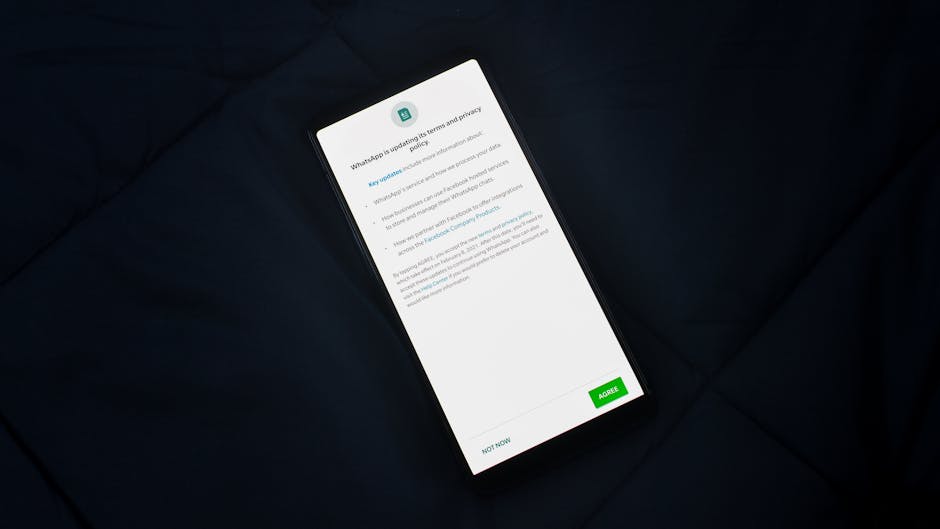
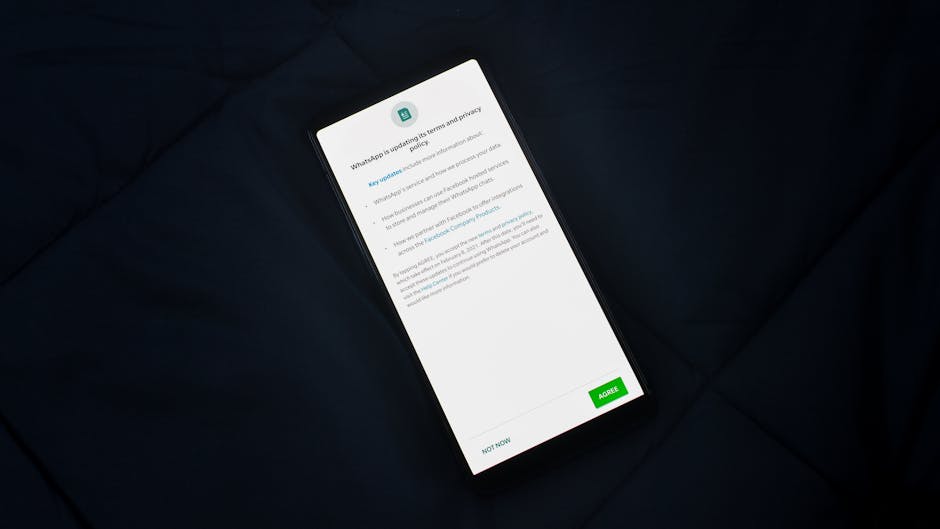
Beyond email, consider how you handle your files and cloud storage. Services like Google Drive and Dropbox, while convenient, come with privacy caveats regarding data access and scanning. For truly sensitive documents, explore encrypted cloud storage solutions like Sync.com or Tresorit, which offer zero-knowledge encryption, meaning only you can access your files. Alternatively, for ultimate control, consider local encryption tools like VeraCrypt for your hard drives and USB sticks. When it comes to messaging, move away from mainstream apps like WhatsApp (owned by Meta) and towards end-to-end encrypted alternatives such as Signal or Threema. These applications ensure that your conversations are private and secure from the moment you send them until they are received, preventing eavesdropping and data collection by third parties, further solidifying your communication privacy beyond what a VPN can achieve.
Finally, cultivating conscious online habits is perhaps the most powerful tool in your privacy arsenal. Regularly review your privacy settings on social media platforms, limiting who can see your posts and personal information. Avoid oversharing personal details online, as every piece of information contributes to your digital profile. Be wary of clicking on suspicious links or downloading attachments from unknown sources, as phishing and malware remain significant threats. Educate yourself on common social engineering tactics used by cybercriminals. Consider using privacy-respecting search engines like DuckDuckGo or Startpage, which do not track your search history. By combining a top-tier VPN with these strategic choices in email, messaging, file storage, and daily online behavior, you construct a comprehensive, multi-layered defense that empowers you to navigate the digital world with confidence, knowing that your personal data is protected from the prying eyes of those who seek to exploit it for profit or surveillance, creating a truly robust and private online experience.
Staying Ahead of the Curve Cultivating Continuous Digital Awareness
In the rapidly evolving landscape of cybersecurity and online privacy, the journey to digital sovereignty is not a destination but a continuous process of learning, adapting, and staying informed. New threats emerge regularly, privacy regulations shift, and the tactics of data harvesters become increasingly sophisticated. Therefore, cultivating continuous digital awareness is an indispensable practice for anyone committed to protecting their online life. This means making a conscious effort to stay updated on the latest privacy news, security breaches, and technological advancements that impact your digital footprint. Follow reputable cybersecurity blogs, subscribe to newsletters from privacy advocacy groups, and engage with communities that discuss digital rights. Understanding the current threat landscape allows you to proactively adjust your privacy settings, update your tools, and modify your online behaviors before you become a victim of a new vulnerability or deceptive practice.
A crucial aspect of continuous digital awareness involves regularly reviewing the privacy policies and security practices of all the online services you use, not just your VPN. Companies can change their terms of service, ownership, or data handling practices at any time, often with little fanfare. Make it a habit to periodically re-evaluate your chosen VPN, email provider, cloud storage, and social media platforms. Look for any changes that might compromise your privacy, and be prepared to switch services if a provider deviates from its commitment to user data protection. This proactive auditing ensures that your digital ecosystem remains aligned with your privacy values and that you're not inadvertently exposing yourself to new risks. It's a small investment of time that can yield significant returns in terms of peace of mind and data security, keeping you one step ahead of those who seek to exploit your information.
Finally, embrace the mindset that privacy is a shared responsibility, not just an individual burden. By being an informed and vigilant user, you contribute to a stronger overall digital ecosystem. Share your knowledge with friends and family, advocate for stronger privacy regulations, and support companies that genuinely prioritize user rights. Remember that the collective demand for privacy-respecting services is what ultimately drives innovation and ethical practices in the tech industry. Your continuous digital awareness not only protects you but also empowers others to make smarter choices, fostering a more secure and private internet for everyone. The fight