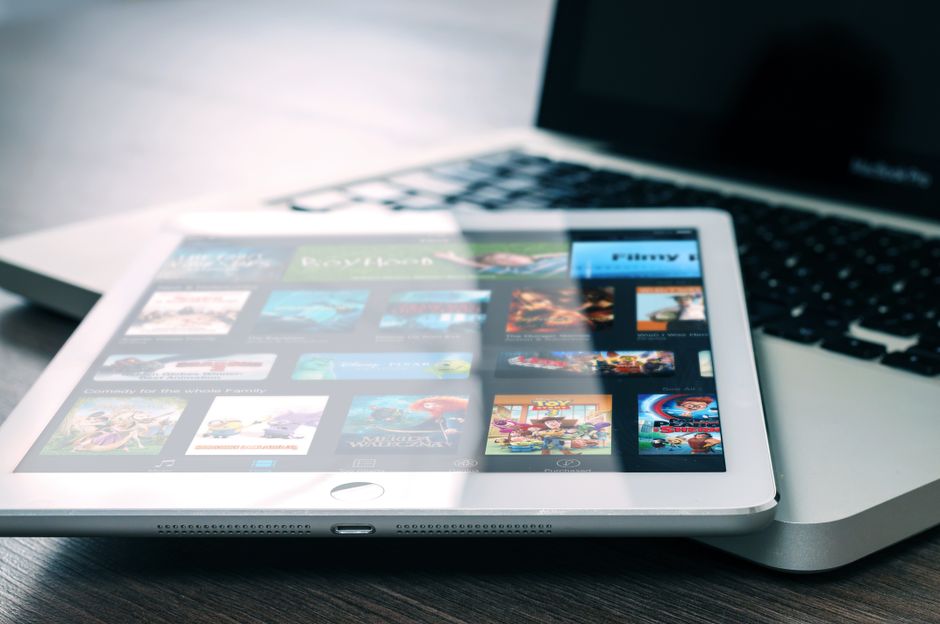
For years, the internet has promised a world without borders, a vast ocean of information and entertainment at our fingertips. Yet, increasingly, we find ourselves bumping up against invisible walls – digital fences erected by broadcasters, streaming platforms, and content distributors. You know the drill: you hear about a fantastic new show on the BBC, a gripping documentary on SBS On Demand, or a cult classic movie available on Tubi, only to be met with that soul-crushing message: "This content is not available in your region." It's enough to make you throw your remote across the room. We live in an era where subscription fatigue is a real phenomenon, where the monthly bills for multiple streaming services pile up faster than laundry on a Sunday morning. Many of us are actively seeking ways to cut down on these recurring costs, perhaps even dreaming of a world where high-quality entertainment doesn't always come with a hefty price tag. Well, what if I told you that dream isn't just a fantasy? What if I told you that with a little digital savvy and the right tool, you could legally unlock a treasure trove of free, high-quality streaming content from around the globe, without ever touching your wallet?
The truth is, while Netflix, Disney+, and Amazon Prime Video dominate the conversation, a vast universe of truly free and legitimate streaming options exists. These aren't shady, pirated sites; these are legitimate broadcasters, public service media, and ad-supported platforms that offer incredible content completely free of charge in their home countries. The catch, of course, is those pesky geo-restrictions. These digital barriers are often put in place due to licensing agreements, copyright laws, or even just strategic business decisions. They dictate who can watch what and where, effectively fragmenting the global internet into national silos. But here's where the magic happens: a Virtual Private Network, or VPN, acts as your digital passport, allowing you to bypass these restrictions by making it appear as if you're browsing from a different geographical location. It's not about tricking the system into giving you something you shouldn't have; it's about exercising your right to access content that is freely offered to a global audience, albeit with a geographical filter. Think of it as walking through a virtual door that was previously locked, not picking the lock to steal something from inside.
My journey into the world of online privacy and cybersecurity began over a decade ago, long before VPNs became a household term. I’ve witnessed firsthand the evolution of the internet from a wild frontier to a highly regulated, often segmented, landscape. The frustration of encountering geo-blocks isn't just an inconvenience; it represents a fundamental challenge to the open, interconnected spirit of the web. As a journalist covering the VPN and cybersecurity niche, I’ve spent countless hours dissecting how these technologies work, testing their limits, and understanding their practical applications for everyday users. One of the most consistently rewarding aspects of this work has been uncovering the legitimate, often surprising, ways VPNs can enhance our digital lives, and unlocking free streaming content stands out as a particularly compelling example. It's a testament to the power of technology when used intelligently and ethically, transforming what seems like a technical hurdle into an exciting opportunity for discovery and entertainment.
Your Digital Passport to Global Entertainment
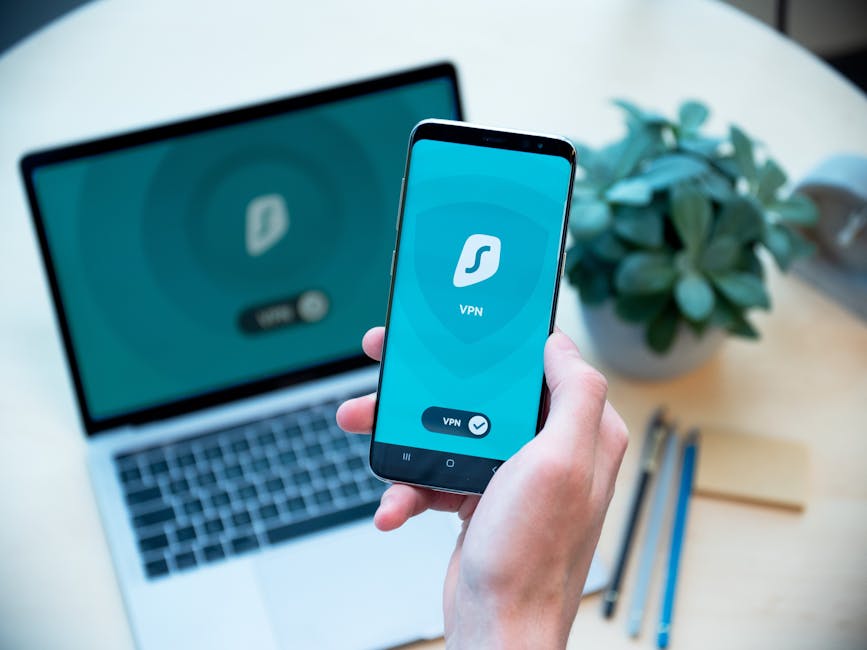
The core concept behind using a VPN to unlock free streaming is remarkably straightforward, yet its implications are profound. When you connect to a VPN server, your internet traffic is routed through that server, effectively masking your real IP address and assigning you a temporary one that corresponds to the server's location. So, if you're sitting in London and connect to a VPN server in New York, websites will perceive your connection as originating from New York. This simple act of virtual relocation is the key that unlocks a vast, otherwise inaccessible world of content. It’s not about piracy; it’s about accessing services that are freely available to anyone physically present in a particular country. Take, for instance, the British Broadcasting Corporation's iPlayer. It’s a phenomenal service offering an incredible array of TV shows, documentaries, and live events, all completely free for anyone in the UK. Many other countries have similar public service broadcasters or ad-supported platforms that provide high-quality programming without a subscription fee. The only barrier for international viewers is their geographical location, and that's precisely what a VPN is designed to overcome.
The legality of using a VPN for this purpose is a frequent point of contention and misunderstanding, but let's be clear: in most jurisdictions, using a VPN itself is perfectly legal. The question then shifts to the *action* you perform while using the VPN. Accessing a free streaming service that is geo-restricted, but otherwise legitimate and free in its home country, generally falls into a grey area of terms of service violations rather than outright illegality. You're not stealing content or bypassing a paywall; you're simply changing your virtual location to access a service that doesn't charge for its content. While a streaming service might technically reserve the right to block VPN users if they detect them, the act of watching legally free content from another region is a far cry from, say, illegally downloading copyrighted material. This distinction is crucial. We're talking about accessing channels like Germany's ARD Mediathek, Australia's SBS On Demand, or Canada's CBC Gem – platforms that are publicly funded or ad-supported and openly offer their content without charge within their borders. A VPN simply allows you to virtually step across that border.
Beyond the simple act of geo-unblocking, a VPN offers additional benefits that enhance the free streaming experience. Internet Service Providers (ISPs) are notorious for throttling bandwidth, especially during peak hours or when they detect high-bandwidth activities like streaming. This can lead to buffering, lower video quality, and an overall frustrating viewing experience. When you use a VPN, your internet traffic is encrypted, making it much harder for your ISP to identify the nature of your online activities. This encryption can, in some cases, help you bypass ISP throttling, leading to a smoother, more consistent streaming experience. Imagine finally getting access to that coveted German documentary series on ARD only for it to constantly buffer – a VPN can potentially mitigate that issue, ensuring your newfound access is truly enjoyable. It's a subtle but significant advantage that often goes overlooked, transforming a potentially choppy viewing session into a seamless cinematic experience.
Beyond the Subscription Trap
The allure of free streaming isn't just about saving money, although that's certainly a powerful motivator in an economy where every penny counts. It's also about expanding your horizons, discovering new cultures, and accessing a diversity of content that simply isn't curated by the major global streaming giants. While Netflix and its ilk offer vast libraries, they are inherently designed for mass appeal, often overlooking niche genres, independent films, or culturally specific programming that thrives on local platforms. By leveraging a VPN to access international free streaming services, you're not just getting more content; you're getting *different* content. You might stumble upon an award-winning Scandinavian drama, a quirky Japanese animated series, or a thought-provoking Australian documentary that would otherwise never cross your radar. This cultural exchange, facilitated by a simple piece of software, enriches our understanding of the world and broadens our entertainment palate in ways that a single subscription service, no matter how large, simply cannot.
Consider the sheer volume of content available. Public broadcasters, in particular, often have decades of archives, live news, sports, and educational programs that are a goldmine for curious viewers. For example, the BBC iPlayer isn't just about the latest drama; it offers everything from natural history documentaries (think David Attenborough's masterpieces) to in-depth current affairs, music concerts, and classic comedies. Similarly, Germany's ARD and ZDF Mediatheken provide a wealth of German-language programming, from critically acclaimed films to regional news and cultural shows. These platforms are often mandated to serve the public interest, leading to a high standard of production and a diverse range of topics. By removing the geographical barrier, a VPN transforms these national treasures into global resources, making high-quality, often award-winning, content accessible to anyone with an internet connection. It’s a powerful democratizing force in the world of media consumption, shifting control back to the individual viewer rather than the content gatekeepers.
The financial argument, however, remains undeniably potent. With the average household now subscribing to multiple streaming services, the monthly expenditure can quickly rival a significant utility bill. A recent survey by Deloitte found that subscription fatigue is growing, with consumers increasingly feeling overwhelmed by the number of services and the associated costs. Many are actively looking to consolidate or cut back. This is where the VPN-powered approach to free streaming becomes not just an option, but a strategic move. By tapping into the vast, legitimate free content available worldwide, you can significantly reduce your reliance on paid subscriptions, potentially even eliminating one or two from your monthly budget. It’s a proactive step towards financial freedom in your entertainment choices, proving that you don't need to break the bank to enjoy premium-quality shows and movies. This isn't about finding loopholes; it's about smart, informed consumption in a digitally fragmented world.