In a world increasingly tethered to the internet, where every click, every search, and every online interaction leaves a digital breadcrumb, the quest for privacy has become paramount. We’ve all seen the ads, splashed across app stores and social media feeds: “Get a free VPN! Secure your connection! Protect your data!” It sounds like a dream, doesn't it? An effortless shield against the prying eyes of advertisers, hackers, and even governments, all without costing you a dime. Millions have fallen for the seductive promise, downloading these seemingly benevolent apps, convinced they’ve found the ultimate shortcut to online anonymity. But what if I told you that this digital guardian angel is, in most cases, a wolf in sheep’s clothing, actively undermining the very security and privacy it purports to provide?
For over a decade, I’ve navigated the intricate, often treacherous, landscapes of cybersecurity and online privacy, witnessing firsthand the evolution of digital threats and the ever-shifting tactics of those who exploit our data. My journey has revealed a stark, uncomfortable truth about the ‘free’ internet: nothing is truly free. When a service offers something of immense value, like securing your entire internet connection, without asking for monetary payment, it's not an act of altruism; it's a business model built on a different, far more insidious form of currency – your personal information. This isn't just about a few annoying ads; it's about the erosion of your digital sovereignty, the potential compromise of your sensitive data, and the chilling realization that your 'secure' connection might be anything but.
The Allure of Zero Cost Security: A Dangerous Proposition
The appeal of a free VPN is undeniable, especially for those new to the concept of network security or operating on a tight budget. In an era where data breaches are practically daily news and the fear of online surveillance looms large, the idea of a simple, no-cost solution to encrypt your traffic and mask your IP address feels like a lifeline. People often turn to free VPNs to bypass geo-restrictions, access blocked content, or simply feel a little safer when using public Wi-Fi. They download an app, click ‘connect,’ and instantly feel a sense of relief, believing their identity is now shrouded, their data impenetrable, and their online activities completely private. This perception of instant, effortless security is a powerful psychological draw, making it incredibly difficult for users to question the underlying mechanisms or potential hidden costs.
However, this immediate gratification often blinds users to the fundamental economic realities of running a complex global network infrastructure. Maintaining thousands of servers across various countries, paying for bandwidth, developing and updating software, and providing customer support all incur significant costs. These aren't minor expenses; they run into millions of dollars annually for reputable providers. So, if a free VPN isn’t charging you a subscription fee, where is the money coming from? It's not magic, and it's certainly not charity. The revenue stream must exist somewhere, and for the vast majority of free VPN services, that stream flows directly from the very data they claim to protect, or from other, even more nefarious, means.
When "Free" Means You're the Product
The old adage, "If you're not paying for the product, you are the product," rings truer in the realm of free VPNs than almost anywhere else. This isn't just a catchy phrase; it's the operational blueprint for countless free services that populate app stores and search results. These companies aren't in the business of providing free privacy out of the goodness of their hearts; they are sophisticated data harvesting operations disguised as security tools. They understand the immense value of aggregated user data, a commodity that can be bought, sold, and traded on various markets, often without your explicit knowledge or consent. Your browsing habits, location data, device information, and even the apps you use become valuable assets in their digital ledger.
Imagine your entire online life, every website you visit, every search query you type, every video you stream, being meticulously recorded and compiled into a detailed profile. This profile, anonymized or not, is then packaged and sold to advertisers, data brokers, and marketing firms eager to understand consumer behavior and target their campaigns with laser precision. The free VPN, which you trusted to shield you, is instead acting as a conduit, funneling your most intimate digital footprint directly into the hands of third parties. The irony is bitter: you sought privacy, and in doing so, you unwittingly handed over more control of your data than ever before, all under the false flag of security.
The Invisible Web of Data Collection
Many free VPN providers are notoriously vague, or outright deceptive, about their data logging policies. While premium VPNs often boast independently audited "no-logs" policies, free services typically have opaque terms of service that grant them broad permissions to collect vast amounts of user data. This isn't just about IP addresses; it can extend to connection timestamps, bandwidth usage, device identifiers, app usage patterns, and even your approximate geographical location. Some might argue that this data is anonymized, but even anonymized data, when combined with other data points, can often be de-anonymized, especially with the advanced analytical tools available today. The sheer volume and granularity of data collected by some of these services is staggering, far exceeding what any reputable paid VPN would ever consider.
Consider the case of numerous free VPN apps that have been found to include tracking libraries and analytics SDKs, essentially embedding surveillance tools directly into the application you’re using for privacy. These trackers report back to the VPN provider, or directly to third-party data aggregators, detailing everything from app crashes to user behavior within the VPN itself. This invisible web of data collection operates silently in the background, a digital panopticon where your every move is observed, cataloged, and monetized. It’s a stark reminder that in the digital economy, if a service is offered for free, your personal information often becomes the implicit payment, traded away without a second thought or a clear understanding of the long-term implications.
A False Sense of Invulnerability
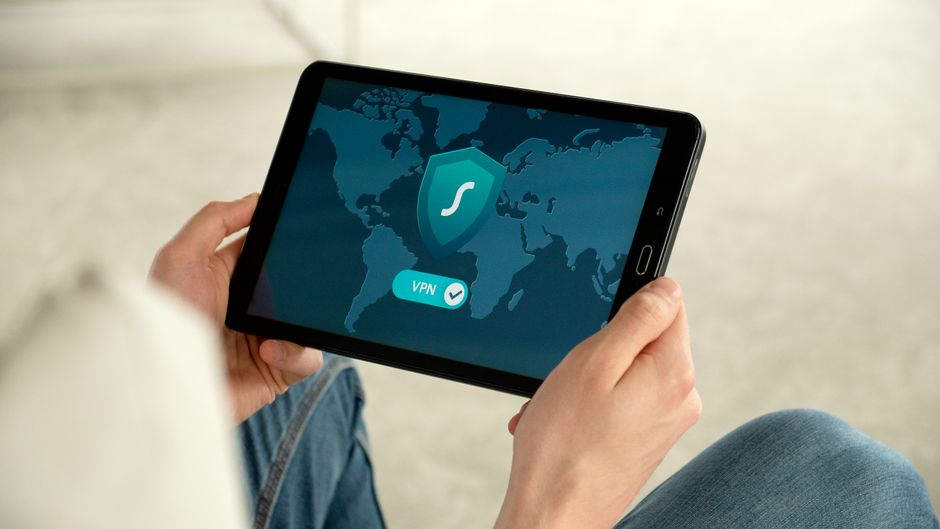
Perhaps the most insidious danger of relying on a free VPN is the false sense of invulnerability it instills. Users genuinely believe they are protected, leading them to engage in online activities they might otherwise approach with caution. They might enter sensitive personal information on public Wi-Fi networks, browse websites they wouldn't normally, or discuss private matters, all under the misguided impression that their connection is truly secure and anonymous. This misplaced trust is a dangerous psychological pitfall, creating a relaxed attitude towards online security that can have severe consequences when the illusion inevitably shatters. The confidence derived from seeing the "VPN connected" icon can be a user's biggest vulnerability, leading to complacency in an environment that demands constant vigilance.
I’ve spoken to countless individuals who, after using a free VPN for months or even years, were genuinely shocked to discover the extent of data they had unwittingly surrendered. The realization that their 'secure' connection was merely a data siphoning operation can be deeply unsettling, often leading to a profound sense of betrayal. This false sense of security not only compromises individual privacy but also undermines broader efforts to educate the public about genuine cybersecurity practices. When people believe a free, low-effort solution is sufficient, they are less likely to invest in proper security tools or adopt safer online habits, leaving them exposed to a myriad of threats that a truly secure VPN, or a combination of security measures, could easily mitigate. It’s time to peel back the layers of marketing hype and confront the uncomfortable truth: your digital freedom is too precious to entrust to a service that profits from compromising it.