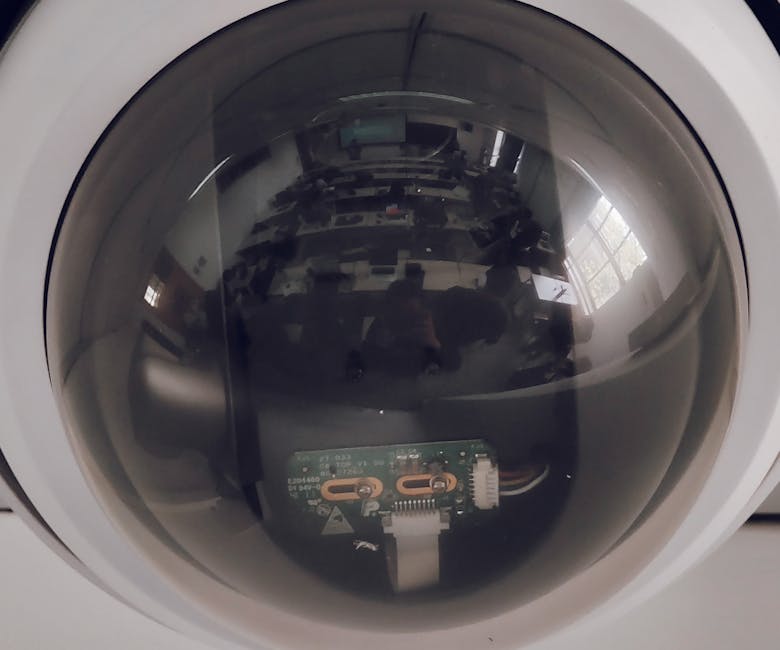
As we push further into the core of Google's data collection practices, it becomes clear that the company's reach extends far beyond our direct interactions with its search engine or YouTube. Our devices themselves, the very hardware and software we rely on daily, act as conduits for a continuous stream of information, feeding into our ever-expanding digital profiles. This often-overlooked aspect of data collection is particularly insidious because it operates at a fundamental level, often without explicit user interaction. For a privacy advocate, understanding these deeper layers is crucial to truly making one's digital presence more invisible. We'll now dissect how Google leverages information from your devices and how your cloud storage and third-party app connections can inadvertently expose even more of your personal life.
The Digital Fingerprint Your Device Information and Data
Every smartphone, tablet, computer, and smart device connected to your Google account contributes to your digital fingerprint. 'Device Information' is a category of data that Google collects, encompassing a broad spectrum of details about the hardware and software you use. This isn't just about knowing you own an Android phone; it includes specifics like your device model, operating system version, unique device identifiers (like IMEI numbers), network information (IP address, Wi-Fi connections, mobile network details), and even battery levels. Google uses this information to ensure its services function correctly on your specific device, to provide device-specific support, and to help protect your account by identifying unusual login attempts. However, like all data, this information also feeds into your broader profile, allowing Google to understand your technology ecosystem, your usage patterns, and potentially even your purchasing power based on the devices you own.
The collection of device information, while seemingly technical and innocuous, plays a crucial role in Google's ability to track you across different platforms and services. Unique device identifiers, for instance, can be used to link your activity across various apps and websites, even if you try to clear cookies or use different browsers. Your IP address provides geographical location data, complementing or even cross-referencing your Location History. Furthermore, understanding your device's technical specifications allows Google to optimize content delivery and advertising for your specific hardware, creating an even more seamless and, by extension, more data-rich experience. For instance, if Google knows you own a high-end smartphone with a large screen, it might serve you richer, more graphically intensive ads or recommend apps that require more processing power. This seemingly technical data contributes to the comprehensive picture Google builds, making it harder to truly disappear within its ecosystem, as your devices themselves are constantly broadcasting signals about your digital presence.
Beyond the Screen What Your Gadgets Reveal
The data stream from your devices isn't just about technical specifications; it’s about understanding your entire digital environment. For example, Google collects information about the apps installed on your Android phone, even those not directly developed by Google. This allows Google to infer your interests, your daily routines, and even your professional life. If you have a suite of productivity apps, a specific news aggregator, or a niche gaming platform, this information becomes another data point in your profile. Moreover, if you use a Google-powered smart home device, like a Nest thermostat or a Google Home speaker, those devices also contribute data – about your home environment, your energy usage patterns, and your interactions within your private space. The network information collected, such as the Wi-Fi networks you connect to, can also be used to infer locations or identify patterns of movement, even when explicit Location History is disabled. This holistic approach to data collection ensures that Google has multiple, overlapping streams of information about you, making it incredibly resilient to single-point privacy interventions.
The security implications of extensive device information collection are also worth considering. Should Google's systems ever be compromised, detailed information about your devices could potentially be exposed, making you more vulnerable to targeted attacks or identity theft. While Google invests heavily in security, no system is entirely impenetrable. Furthermore, the sheer volume of data about your devices makes it harder to maintain anonymity or to create a truly separate digital identity. Every new device you connect, every app you install, every network you join, adds another layer to the digital fingerprint Google maintains. Taking control of what device information is shared, and regularly reviewing connected devices, is a fundamental step in limiting Google's ability to track your movements and interactions across your entire technological landscape. It’s about recognizing that your gadgets aren't just tools; they are active participants in the data economy, and their output needs to be managed with vigilance.
Your Private World in the Cloud Google Photos and Storage Privacy
Google Photos and other cloud storage services like Google Drive offer immense convenience, providing seamless backup, powerful organizational tools, and easy sharing capabilities. Yet, this convenience comes with a significant privacy trade-off. When you upload your personal photos, videos, and documents to Google's cloud, you are entrusting some of your most intimate and sensitive data to a third-party company. While Google assures users of privacy and security, their terms of service typically grant them broad rights to process and analyze the content stored on their servers, primarily for service improvement and feature development. This includes the use of sophisticated AI for facial recognition, object detection, and even scene analysis within your photos and videos, enabling features like automatic grouping of faces, smart search (e.g., "photos of dogs at the beach"), and AI-powered editing suggestions.
The privacy concerns here are multifaceted. Firstly, the sheer intimacy of personal photos and videos means that any unauthorized access or misuse could have devastating consequences. While Google has a strong security record, data breaches are an unfortunate reality of the digital age, and the centralized storage of such sensitive data represents a single point of failure. Secondly, the use of AI for facial recognition, while convenient for organizing photos, raises significant ethical questions. Google's AI can identify and group individuals across countless photos, building a comprehensive database of who appears in your life, when, and where. This technology, if ever misused or accessed by external entities, could have profound implications for personal privacy and surveillance. Imagine a future where facial recognition data from your personal cloud is cross-referenced with public databases, creating an even more granular understanding of your social network and movements. The terms of service often grant Google perpetual, worldwide licenses to host, store, reproduce, modify, and distribute your content to the extent necessary to operate and improve their services, which, while standard, still represents a significant surrender of control over your most personal visual memories.
When Your Memories Become Machine Learning Fuel
The advanced AI capabilities in Google Photos are a testament to Google's technological prowess, but they also serve as a powerful data collection engine. Every face the AI identifies, every object it categorizes (like "tree," "car," "beach"), every location it tags, contributes to the training of Google's broader machine learning models. Your personal photo library, therefore, becomes a vast, diverse dataset that helps Google's AI get smarter, improving its ability to recognize faces, objects, and scenes across all its products. This means your private memories are actively contributing to the very surveillance capabilities that might later be used in less benevolent contexts. While Google stresses the anonymized and aggregated nature of this data for wider model training, the initial processing involves your unadulterated personal content.
Furthermore, the practice of scanning cloud-stored content for illicit material, such as child exploitation imagery, while laudable in its intent, demonstrates Google's technical capability to scan and analyze your private files. This capability, once established, could theoretically be expanded to scan for other types of content, depending on evolving legal frameworks or policy changes. While Google maintains strict internal policies and legal safeguards, the technical infrastructure for such pervasive content analysis is undeniably in place. For those deeply concerned about privacy, the convenience of Google Photos and Drive must be weighed against the fundamental principle of entrusting one's most personal data to a corporate entity with broad processing rights. Regularly auditing what you store in the cloud, encrypting sensitive files before uploading them, and understanding the terms of service are crucial steps in protecting your digital memories from becoming mere data points for an ever-hungry AI.
The Trojan Horse Third-Party App Access and Permissions
One of the most insidious ways your Google account can become a gateway for data leakage is through 'Third-Party App Access.' In our quest for convenience, we often grant various applications and websites access to our Google account for easy sign-in or to integrate services. Think about signing into a new fitness app with "Sign in with Google," or connecting a productivity tool to your Google Drive. While incredibly convenient, each of these grants creates a bridge between your Google account and another entity, potentially allowing that third party to access significant portions of your personal data. The permissions requested can range from basic profile information (name, email) to far more extensive access, such as reading your Gmail, managing your Google Calendar, accessing your Google Drive files, or even controlling your YouTube channel. Many users click "Allow" without a second thought, unaware of the potential privacy implications of these extensive grants.
The danger here is two-fold. Firstly, you are entrusting your data not just to Google but also to every third-party app you connect. The privacy policies and security practices of these third parties can vary wildly, and a breach on their end could expose your Google-linked data. We've seen numerous high-profile data breaches where third-party app vulnerabilities led to the compromise of millions of user accounts. Secondly, even reputable apps might collect and use your data in ways you don't anticipate, selling it to data brokers or using it for their own targeted advertising, all under the guise of "improving user experience." The sheer number of apps and services we interact with daily means that our digital perimeter becomes incredibly porous, with each new connection potentially opening another door for data to escape. Regularly auditing and revoking access for apps you no longer use or those with excessive permissions is a critical, yet often neglected, aspect of maintaining your digital privacy. It's about sealing off the backdoors that can compromise your entire Google ecosystem.
Unseen Permissions and Their Hidden Risks
The permissions granted to third-party apps are often far broader than necessary for their stated functionality. A simple game might request access to your contacts or your microphone, while a photo editing app might ask to manage your entire Google Drive. These excessive permissions create unnecessary risk. Each permission granted is a potential vector for data exploitation, either through malicious intent by the app developer or through a security vulnerability that allows attackers to leverage that access. In 2018, the Cambridge Analytica scandal vividly illustrated how data obtained through a seemingly innocuous Facebook app could be leveraged for political manipulation, highlighting the immense power of third-party access to personal data. While that case involved Facebook, the principle remains the same for Google: granting an app access to your profile data can have far-reaching and unintended consequences.
The problem is exacerbated by the fact that these permissions, once granted, often remain active indefinitely unless explicitly revoked. Many users connect an app once, use it for a short period, and then forget about it, leaving a perpetual data pipeline open. Over time, a user's Google account can become a hub for dozens, if not hundreds, of third-party connections, each with its own set of permissions. This creates a complex web of data sharing that is incredibly difficult to track and manage without a dedicated effort. The solution lies in proactive management: regularly reviewing which apps have access to your Google account, understanding the specific permissions they hold, and ruthlessly revoking access for anything that is no longer needed or that appears to have excessive privileges. This isn't just about protecting your Google data; it's about safeguarding your entire digital identity from the myriad of external entities that seek to tap into your personal information for their own purposes. It’s a crucial step in ensuring your Google account remains a private domain, rather than a public thoroughfare for data collectors.