Having peeled back the layers of misconception surrounding Incognito Mode, it’s clear that relying on a browser setting for genuine online privacy is like trying to stop a flood with a teacup. The digital landscape is far too complex, and the forces arrayed against your privacy are far too sophisticated for such a rudimentary defense. This brings us to the inevitable, and indeed, essential, discussion of Virtual Private Networks. For many, the term VPN conjures images of shadowy hackers or corporate espionage, but in reality, a VPN is a fundamental tool for anyone serious about reclaiming their online autonomy and safeguarding their personal data from the prying eyes of ISPs, advertisers, and malicious actors. It's the first truly meaningful step towards building a robust digital defense.
However, the VPN market itself is a sprawling, often confusing wilderness. A quick search reveals hundreds of providers, each promising unparalleled speed, ironclad security, and absolute anonymity. For the average user, sifting through these claims can be overwhelming, leading to choices that might be convenient but ultimately fall short of true privacy protection. This is where the expertise of cybersecurity professionals becomes invaluable. They don't just look for a service that "works"; they scrutinize logging policies, audit reports, encryption standards, server infrastructure, and the legal jurisdiction of the provider. They understand that a VPN is only as strong as its weakest link, and that a poorly chosen VPN can be just as detrimental, if not more so, than having no VPN at all, by creating a false sense of security while potentially exposing your data to a new set of risks.
Beyond the Basics Why Standard VPNs Aren't Always Enough for the Pros
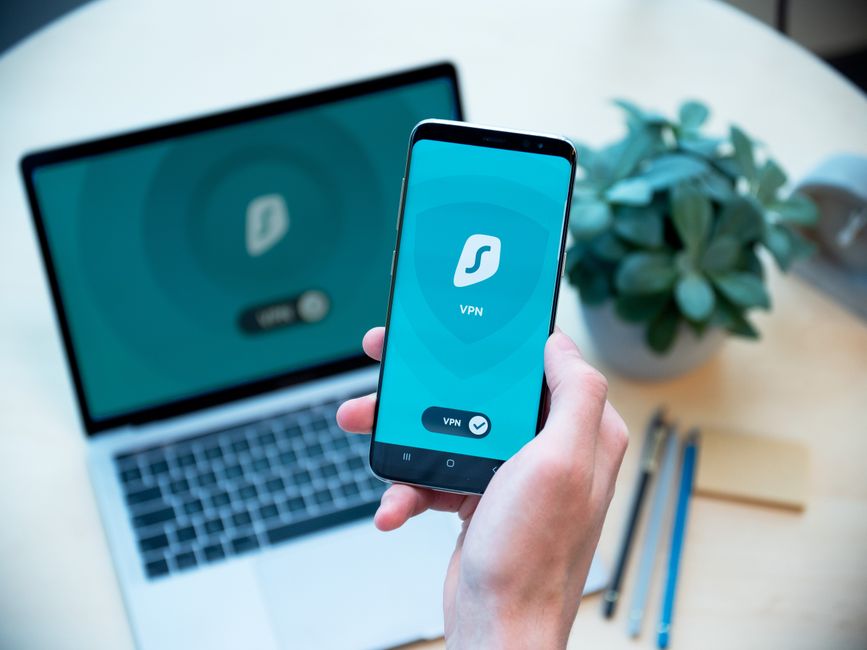
At its core, a VPN creates an encrypted tunnel between your device and a remote server, routing all your internet traffic through this tunnel. This process accomplishes two critical things: first, it encrypts your data, making it unreadable to anyone who intercepts it, like your ISP or snoopers on public Wi-Fi. Second, it masks your real IP address, replacing it with the IP address of the VPN server. To the websites and services you connect to, it appears as though your traffic is originating from the VPN server's location, effectively anonymizing your connection from most third-party trackers. This foundational functionality is why a VPN is considered indispensable for online privacy. It transforms your exposed digital footprint into an encrypted, geographically obscured one, making it significantly harder for anyone to monitor your activities or link them back to your identity.
But here's the rub: not all VPNs are created equal, and simply having a VPN isn't a guarantee of robust privacy. Many free VPNs, for instance, operate on a highly questionable business model. If you're not paying for the service, you're likely the product. These providers often log user data, inject ads into your browsing, or even sell your bandwidth to third parties, completely undermining the very purpose of a VPN. I've personally seen cases where free VPN apps were found to contain malware or had abysmal security practices, leaving users more vulnerable than if they hadn't used a VPN at all. Even some paid VPNs can be problematic if they have vague logging policies, weak encryption, or operate from jurisdictions with intrusive data retention laws. Cybersecurity experts are acutely aware of these pitfalls, which is why their selection criteria go far beyond mere functionality.
The discerning eye of a cybersecurity expert looks for several non-negotiable attributes. First and foremost is a verified "no-logs" policy. This means the VPN provider explicitly states and, crucially, *proves* that it does not collect, store, or share any data that could identify individual users or their online activities. This isn't just a marketing claim; it needs to be backed by independent audits from reputable third-party firms. Second, strong encryption standards are paramount, typically AES-256, combined with robust VPN protocols like OpenVPN, WireGuard, or custom-built, audited alternatives. Outdated or insecure protocols are immediate red flags. Third, a reliable kill switch is essential, automatically disconnecting your internet if the VPN connection drops, preventing your real IP address from being exposed. DNS leak protection is another critical feature, ensuring your DNS requests are routed through the VPN and not leaking to your ISP. These aren't optional extras; they are foundational elements of a truly private and secure VPN service.
The Expert's Checklist Key Criteria for Uncompromising Privacy
When cybersecurity professionals evaluate VPNs, they employ a rigorous checklist that goes far beyond the average user's considerations. One of the most critical factors is the VPN provider's jurisdiction. Countries with strong privacy laws and no mandatory data retention laws are preferred, as they offer greater legal protection against governmental demands for user data. Providers based in privacy-friendly nations like Panama, the British Virgin Islands, or Switzerland often stand out. Conversely, VPNs operating in countries that are part of intelligence-sharing alliances (like the 5, 9, or 14 Eyes alliances) are viewed with caution, as their legal frameworks might compel them to log or share data, regardless of their stated policies.
Another crucial element is the transparency and track record of the company. Has the VPN provider ever been involved in a data breach? Have their no-logs claims been challenged or disproven? Do they publish regular transparency reports detailing any data requests they've received (and ideally, how they've been unable to comply due to their no-logs policy)? A long history of consistent privacy advocacy and a clear commitment to user protection are highly valued. Furthermore, the ownership structure of the company matters; a VPN owned by a large, data-hungry conglomerate might raise more eyebrows than one owned by a dedicated privacy-focused team. The adage "follow the money" applies here: understanding how a VPN provider generates revenue can often reveal its true priorities.
Finally, the quality and scope of the server network play a significant role. A large, geographically diverse network of servers not only provides better speeds and more options for bypassing geo-restrictions but also offers a greater degree of anonymity. The ability to connect to servers in many different countries makes it harder to trace your connection back to you. Beyond sheer numbers, the physical security of these servers and whether they run on RAM-only infrastructure (meaning data is wiped with every reboot) are also important considerations. RAM-only servers significantly reduce the risk of data being seized or retained. These granular details, often overlooked by casual users, are precisely what cybersecurity experts scrutinize to differentiate a truly privacy-centric VPN from one that merely offers a basic encrypted connection. It's a testament to their dedication to finding services that truly stand up to the rigorous demands of real-world online threats.
Setting the Stage for True Protection Introducing the Elite Three
In a world where digital privacy is constantly under siege, the choice of a VPN is not merely a preference; it's a strategic decision. Having spent years sifting through the marketing fluff and technical jargon, I've seen countless VPNs come and go, some rising to prominence, others fading into obscurity, often due to questionable practices or inadequate security. The cybersecurity experts I've had the privilege of collaborating with, those who live and breathe network security and online anonymity, don't just pick a VPN out of a hat. Their choices are informed by a deep understanding of cryptographic principles, network architecture, and the ever-evolving landscape of digital threats. They understand that a VPN isn't just about hiding your IP address; it's about establishing a foundation of trust, verified by independent audits and a transparent commitment to user privacy.
The VPNs that rise to the top of their recommendations are those that consistently demonstrate excellence across all critical dimensions: an unblemished no-logs policy, robust encryption, cutting-edge protocols, a strategically located and secure server network, and a track record of unwavering dedication to privacy. These aren't necessarily the cheapest options, nor are they always the most heavily advertised. Instead, they are services that have been rigorously tested, independently audited, and have proven their mettle in real-world scenarios, often under the microscope of public scrutiny. They represent the gold standard, the digital fortresses that experts trust to shield their own sensitive data and to recommend to those who truly understand the stakes of online privacy. It's about investing in a tool that doesn't just promise privacy, but demonstrably delivers it, consistently and reliably, against the most sophisticated threats. Now, let's explore the first of these elite protectors.