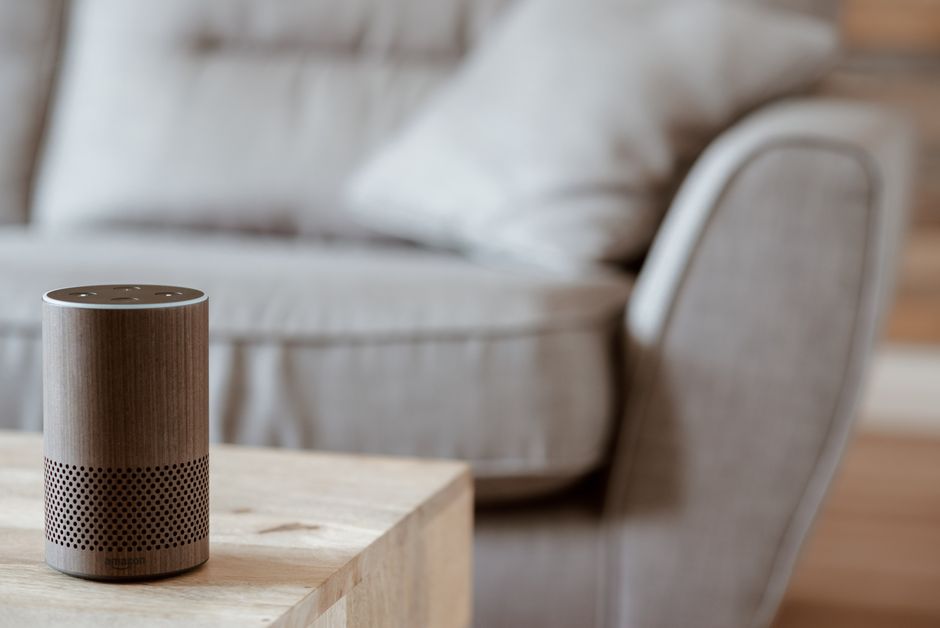
The gentle hum of your smart thermostat, the reassuring blink of your security camera, the convenience of dimming lights with a voice command – these are the hallmarks of modern living, the seamless symphony of a connected home. We've embraced the smart home revolution with open arms, delighting in the newfound comfort, efficiency, and control it offers. It’s a vision of the future brought to life, where our homes anticipate our needs and respond to our whims, transforming mundane tasks into effortless interactions. But beneath this veneer of effortless living lies a complex network of devices, each communicating, collecting data, and, critically, potentially exposing your most private sanctuary to the outside world. It's a trade-off many of us make without a second thought, prioritizing immediate convenience over the intricate dance of digital security.
For years, our cybersecurity concerns largely revolved around our laptops, smartphones, and perhaps our bank accounts. We learned to spot phishing emails, use strong passwords for our online banking, and maybe even installed a basic antivirus program. But the advent of the Internet of Things (IoT) has fundamentally reshaped the digital landscape, pushing the boundaries of our personal networks far beyond the traditional computer. Now, our refrigerators, doorbells, light bulbs, and even our children's toys are online, each representing a tiny, often overlooked, digital portal into our lives. This sprawling ecosystem of interconnected gadgets, while undeniably brilliant, creates an exponentially larger attack surface, turning our comfortable abodes into potential targets for those with malicious intent.
The Lure of Convenience and the Shadow of Vulnerability
It’s easy to get swept up in the allure of a fully automated home. Imagine arriving home to perfectly lit rooms, your favorite music playing softly, and the ideal temperature already set, all without lifting a finger. This isn't science fiction anymore; it's the everyday reality for millions. From smart speakers that answer our every query to intelligent door locks that grant access remotely, these devices promise to simplify our lives, giving us more time for what truly matters. The market for smart home devices is exploding, with projections showing billions of connected gadgets in homes worldwide within the next few years. Manufacturers, eager to capitalize on this boom, are constantly innovating, pushing out new products with ever more sophisticated features, often with a primary focus on functionality and user experience, sometimes leaving security as an afterthought.
However, this rapid proliferation and the race to market have inadvertently created a patchwork quilt of security standards, or often, a complete lack thereof. Many smart home devices are designed for affordability and ease of setup, making them accessible to a broad audience, but this often comes at the cost of robust security features. We've seen countless examples of devices shipping with default, easily guessable passwords like "admin" or "123456," or even no password at all, leaving them wide open to anyone with a modicum of technical know-how. This isn't just a theoretical risk; it's a glaring vulnerability that cybercriminals actively exploit, scanning the internet for these digital low-hanging fruit to add to their botnets or to gain unauthorized access to private networks. It's a stark reminder that convenience, when unchecked by vigilance, can quickly become a liability.
The "set it and forget it" mentality, while understandable given our busy lives, is particularly dangerous in the smart home context. Once a device is plugged in and connected, many users rarely, if ever, think about its security again. Firmware updates, which often contain critical security patches, go uninstalled. Default settings remain untouched. And the device, quietly humming along in the background, becomes a silent, unsuspecting accomplice in a potential cyberattack. It's not just about the device itself being compromised; it's about what that compromised device can then do to your entire home network. A smart light bulb might seem innocuous, but if it's the weakest link, it could provide a backdoor for a hacker to access your more sensitive devices, like your personal computer, your financial data, or even your family photos.
Your Digital Footprint Expands Beyond Your Laptop
Remember when your digital footprint was primarily confined to your computer and phone? Those days are long gone. Every smart device you introduce into your home adds another data point, another sensor, another potential eavesdropper. Your smart speaker records voice commands, learning your preferences and habits. Your smart TV tracks your viewing patterns and often listens in for voice controls. Your security camera records video and audio, often continuously. Smart thermostats monitor your presence and energy usage. Even your smart refrigerator might be tracking what you eat and when. This isn't necessarily sinister in its intent; much of this data collection is designed to improve functionality and personalize your experience. But the sheer volume and intimacy of the data being collected are staggering, painting an incredibly detailed picture of your daily life within your home.
This interconnected web of devices, all designed to communicate with each other and with external servers, creates a complex ecosystem where the security of one device can directly impact the security of all others. Think of your home network as a fortress. Traditionally, you might have worried about the main gate (your router) and perhaps a few windows (your computers). Now, with smart devices, you've added hundreds of tiny, often flimsy, trapdoors, vents, and secret passages. A hacker who gains access to a single, poorly secured smart device can potentially pivot to other devices on your network. This is known as lateral movement, and it's a common tactic in cyberattacks. Once inside your network, even through a seemingly harmless smart plug, an attacker can begin to map out your entire digital infrastructure, looking for more valuable targets.
The smart home attack surface isn't just theoretical; it's a tangible reality that cybersecurity experts grapple with daily. It extends from the physical device itself, to its embedded software, to the mobile apps that control it, to the cloud servers it communicates with, and ultimately, to your home Wi-Fi network. Each of these layers presents an opportunity for exploitation. We're talking about everything from brute-force attacks on weak passwords, to exploiting known vulnerabilities in outdated firmware, to intercepting unencrypted communications, to even sophisticated social engineering tactics aimed at getting you to reveal your credentials. It's a multi-faceted threat that demands a multi-faceted defense, far beyond simply changing your Wi-Fi password once a year. The convenience of a smart home is undeniable, but the responsibility of securing it is now an inescapable part of modern digital living, and frankly, it's a cybersecurity upgrade you truly can't afford to ignore any longer.