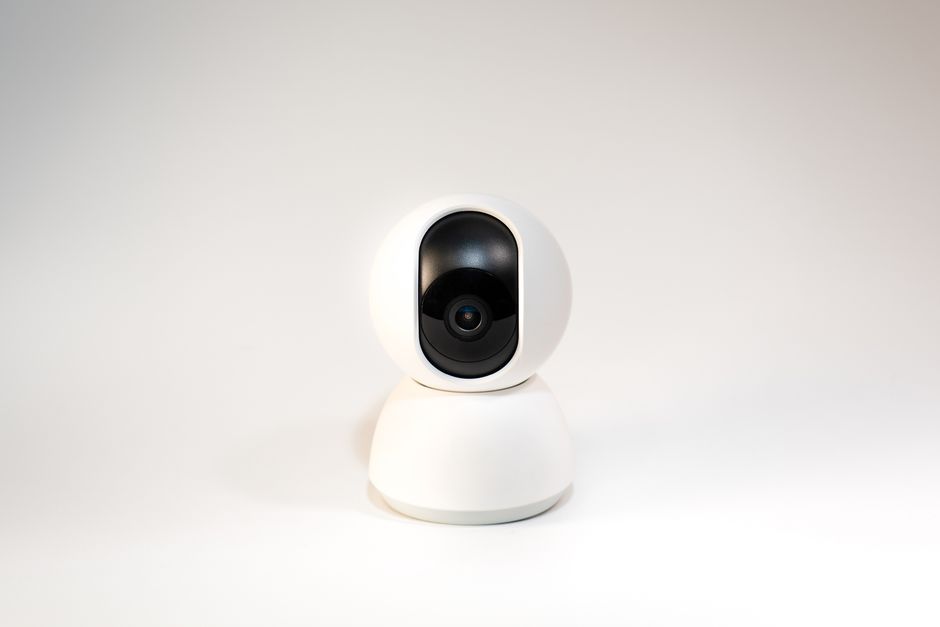
Peering Through the Digital Keyhole How Hackers Target Your Sanctuary
The digital perimeter of our homes has expanded dramatically, and with it, the potential entry points for those looking to breach our privacy or exploit our data. It’s no longer just about protecting our computers; it’s about safeguarding an entire ecosystem of interconnected devices, each a potential vulnerability waiting to be discovered. When we talk about how hackers target smart homes, we're not just discussing sophisticated, state-sponsored cyber espionage, though that’s a possibility for high-value targets. More often, it’s about opportunistic attackers or automated bots scanning the internet for easy prey, for devices left exposed with gaping security flaws, like a digital keyhole left unlocked for anyone to peek through.
One of the most distressingly common attack vectors remains the simplest: weak passwords and default credentials. Many smart devices ship with generic usernames and passwords, or even no password at all, relying on the user to change them during setup. Unfortunately, many users skip this crucial step, either out of ignorance, complacency, or simply because they don't want the hassle of remembering another unique password. Attackers leverage readily available dictionaries of common default credentials and automated tools to scan vast swathes of the internet, attempting to log into devices that haven't had their default settings changed. Once inside, they can gain full control of the device, turning off cameras, unlocking doors, or even using the device as a stepping stone to infiltrate other parts of your network. The Mirai botnet, a terrifying example from 2016, famously exploited default credentials on IoT devices like DVRs and IP cameras to launch massive distributed denial-of-service (DDoS) attacks, demonstrating the sheer scale of the problem when millions of unsecured devices are left vulnerable.
Beyond the low-hanging fruit of weak passwords, unpatched firmware and software vulnerabilities present a more insidious threat. Like any piece of software, the code running on your smart devices can contain bugs or security flaws that, if discovered, can be exploited by malicious actors. Reputable manufacturers regularly release firmware updates to address these vulnerabilities, but the onus is often on the user to actually apply these updates. Many devices don't have automatic update features, or users simply ignore the notifications, leaving their devices perpetually exposed to known exploits. A zero-day vulnerability, one that is unknown to the vendor and therefore unpatched, can be particularly dangerous, allowing hackers to gain access before any defense can be mounted. We've seen instances where vulnerabilities in popular smart cameras allowed attackers to view live feeds or even speak through the device, turning a security tool into a surveillance nightmare for the homeowner.
Furthermore, the communication protocols used by smart devices – Wi-Fi, Bluetooth, Zigbee, Z-Wave – can also be susceptible to interception or manipulation if not properly secured. While modern encryption standards have improved, not all devices implement them robustly, or they might default to less secure modes for compatibility. An attacker within proximity could potentially intercept unencrypted data packets, gaining insights into your home's activity or even injecting malicious commands. Phishing and social engineering attacks, while not directly targeting the device hardware, are often highly effective in gaining access to your smart home ecosystem. A cleverly crafted email or text message, masquerading as a legitimate service provider or a device manufacturer, could trick you into revealing your login credentials for your smart home app, effectively handing over the keys to your digital kingdom without ever touching a single device.
"The biggest vulnerability in any connected system isn't the technology itself, but the human using it. Complacency is the hacker's best friend." - A seasoned cybersecurity analyst (fictional quote, reflecting common expert sentiment)
It's not just about direct attacks either. The supply chain itself can introduce vulnerabilities. Less reputable manufacturers, especially those cutting corners on security testing, might embed insecure components or software from third-party suppliers, creating backdoors that even the end-user can't easily detect or fix. While less common for the average consumer, these types of attacks highlight the pervasive nature of cybersecurity risks in the interconnected world. The sheer number of smart devices in homes is staggering; Gartner predicted over 25 billion IoT devices by 2021, and that number has only continued to climb. With this exponential growth comes an exponential increase in the potential for exploitation, making the discussion about securing our digital sanctuaries more urgent than ever.
The Unseen Data Harvest Your Smart Home's Private Conversations
Beyond the immediate threat of direct access and control, there's a more subtle, yet equally concerning, aspect of smart home technology: the vast and continuous data harvest. Every interaction, every command, every sensor reading contributes to a rich, detailed tapestry of your life within your home. Your smart speaker records your voice commands, yes, but also potentially background conversations. Your smart TV tracks what you watch, how long you watch it, and perhaps even whom you watch it with. Smart security cameras capture video and audio of your comings and goings, and those of your visitors. Smart thermostats log your presence, your preferred temperatures, and your energy usage patterns. Even seemingly innocuous devices like smart light bulbs can track usage patterns, revealing when you're home and when you're away. This isn't just data; it's a digital diary of your domestic life, a profound and intimate record.
The privacy implications of this pervasive data collection are immense and often poorly understood by consumers. Who owns this data? How is it stored? Is it anonymized? Can it be sold to third parties, like advertisers or data brokers, without your explicit consent? These are critical questions that often have murky answers, buried deep within lengthy and often incomprehensible terms of service agreements that few people ever read. The reality is that much of this data, even if anonymized in theory, can often be de-anonymized with relative ease, especially when combined with other data points available online. Imagine your smart home data being aggregated with your social media activity, your purchase history, and your location data – suddenly, a remarkably detailed profile of your habits, preferences, and even vulnerabilities emerges.
This unseen data harvest fuels what some refer to as the "surveillance economy." Companies collect this data not just to improve their products, but to gain insights into consumer behavior, to target advertising with surgical precision, and to build comprehensive profiles that can be incredibly valuable. While targeted ads might seem harmless, the potential for misuse is significant. What if your smart home data reveals sensitive information, such as health conditions (e.g., through smart beds or connected medical devices), religious practices (from smart prayer mats), or even political affiliations (from smart TVs tracking news consumption)? This information, if leaked or stolen, could be used for identity theft, blackmail, discrimination, or even more sophisticated forms of social engineering. The thought of a hacker not just watching your home, but knowing your routines, your vulnerabilities, and your most private moments, is truly chilling.
Moreover, the rise of artificial intelligence (AI) within smart devices, while enhancing convenience, also magnifies these privacy risks. AI algorithms thrive on data, constantly learning and adapting based on the information they collect. While this makes our smart homes more intuitive, it also means they are constantly processing and analyzing highly personal data. If these AI systems or the data they rely on are compromised, the consequences could be far-reaching. Imagine an AI-powered home assistant being tricked into revealing information about your schedule or even unlocking doors. The potential for a breach to not only expose your data but also to manipulate your physical environment becomes a very real and unsettling prospect. It underscores the critical need for not just robust security measures for individual devices, but a holistic approach to protecting your entire smart home network, ensuring that these private conversations remain exactly that – private.