Fortifying Your Digital Castle Essential Steps for Smart Home Security
Alright, so we've established that your smart home, while incredibly convenient, presents a labyrinth of potential security vulnerabilities. It’s a reality we can’t shy away from, but it’s also not a reason to retreat to the digital dark ages. The good news is that with a proactive mindset and some actionable steps, you can significantly bolster your home's digital defenses, turning those open doors into fortified gates. Think of it as an ongoing project, a commitment to vigilance that pays dividends in peace of mind. It’s about building layers of security, recognizing that no single solution is a silver bullet, but a combination of smart practices can create a formidable barrier against most threats.
The foundation of any robust cybersecurity strategy, whether for a smart home or a corporate network, begins with the basics, and often, these are the most overlooked. First and foremost, tackle your passwords. Every single smart device, every associated app, and every online account linked to your smart home ecosystem needs a strong, unique password. I know, it's a pain to remember them all, but this is non-negotiable. Forget "password123" or your pet's name. We're talking about complex combinations of uppercase and lowercase letters, numbers, and symbols, at least 12-16 characters long. The best way to manage this digital jungle is with a reputable password manager. Tools like LastPass, 1Password, or Bitwarden can generate and securely store these complex passwords for you, requiring you to remember only one master password. This simple step alone closes off a vast number of potential entry points that rely on brute-force attacks or dictionary guesses.
Next up, embrace two-factor authentication (2FA) or multi-factor authentication (MFA) wherever it's offered. This adds an extra layer of security beyond just a password. Even if a hacker manages to steal your password, they still won't be able to access your account without that second factor – typically a code sent to your phone, a fingerprint scan, or a confirmation through an authenticator app. Many smart home platforms and individual device apps now support 2FA, and enabling it is a critical safeguard. Think of it as a deadbolt on your front door; even if someone picks the main lock, they still can't get in. This vastly reduces the risk of account compromise, protecting not just the device itself, but the sensitive data and controls associated with it.
Regular firmware updates are another cornerstone of smart home security. Just like your computer's operating system, the software embedded in your smart devices (firmware) needs to be updated periodically. These updates often contain critical security patches that fix newly discovered vulnerabilities that hackers could exploit. Unfortunately, many smart devices don't automatically update, or they require you to manually check for and initiate the process through their respective apps. Make it a habit to check for updates at least once a month for all your smart devices. Neglecting updates is like leaving a broken window in your house, even after the manufacturer has sent you a new, more secure pane of glass. It's an open invitation for trouble, and frankly, a completely avoidable risk that you control.
Finally, consider network segmentation. This might sound a bit technical, but it’s a powerful strategy. Many modern routers offer a "guest network" feature. While designed for visitors, this feature can be repurposed to create a separate network for your smart devices, isolating them from your main network where your computers, phones, and sensitive data reside. If a smart device on the guest network is compromised, the attacker would still have a much harder time accessing your primary devices. Some advanced users even set up a dedicated IoT VLAN (Virtual Local Area Network) for even stronger isolation. This separation acts as a firebreak; if one part of your digital home catches fire, the rest remains protected, preventing the spread of infection. It's a fundamental principle of network security that applies perfectly to the burgeoning smart home landscape.
The Ultimate Shield A VPN for Your Entire Smart Home Network
While strong passwords, 2FA, and regular updates are crucial, they largely focus on securing individual devices and access points. But what about the data itself as it travels across the internet? And what about devices that offer minimal security controls or are simply too numerous to manage individually? This is where a Virtual Private Network (VPN) steps in as the ultimate shield for your entire smart home network, offering a comprehensive layer of protection that many homeowners overlook. Most people associate VPNs with securing their laptop or phone when using public Wi-Fi, but their utility extends dramatically to the smart home, providing a blanket of encryption and anonymity for every connected gadget under your roof.
At its core, a VPN creates an encrypted tunnel for all your internet traffic. Instead of your data traveling directly from your smart device to its destination server, it first goes through a secure VPN server. This process accomplishes two critical things. First, it encrypts all the data flowing in and out of your smart home, making it unreadable to anyone who might try to intercept it – be it your internet service provider (ISP), opportunistic hackers, or even more sophisticated adversaries. This means the "private conversations" your smart devices are having with their cloud services remain truly private, protected from prying eyes. Second, a VPN masks your real IP address, replacing it with the IP address of the VPN server. This makes it significantly harder for attackers to identify and target your specific home network, adding a crucial layer of anonymity to your online presence. It’s like putting on a digital disguise and speaking in code, making you a much less attractive target for cybercriminals who prefer easy marks.
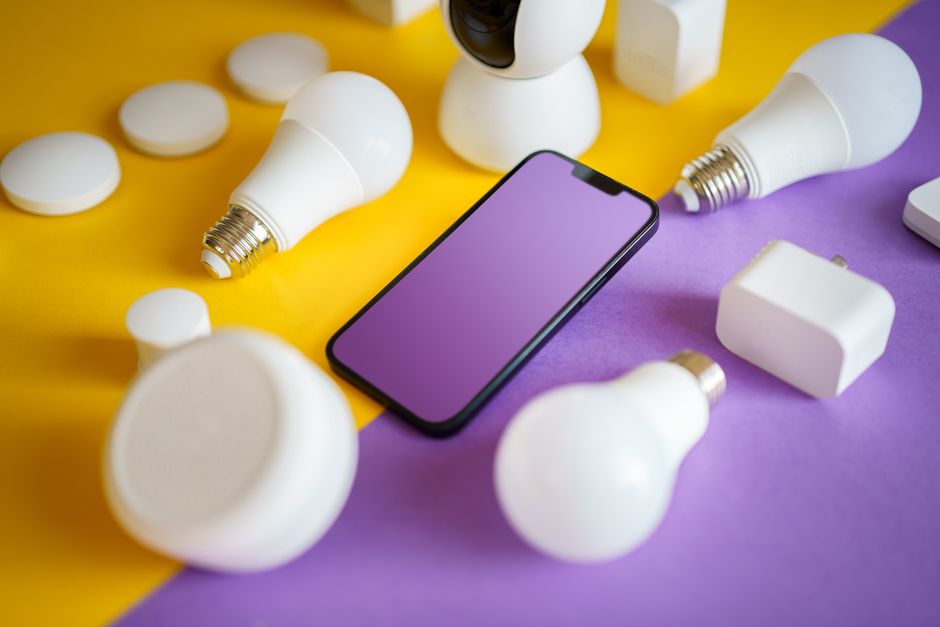
The beauty of using a VPN for your smart home lies in its ability to protect *all* your devices, even those that don't natively support VPN clients. Think about your smart TV, your security cameras, your smart thermostat, or even your smart light bulbs. Most of these devices don't have an option to install a VPN app. However, by configuring a VPN directly on your home router, every device that connects to that router automatically benefits from the VPN's protection. This means that once set up, your entire smart home operates under a secure, encrypted umbrella, without you needing to configure each device individually. It's a "set it and forget it" solution, but this time, in a good way, providing robust security without constant manual intervention. This approach ensures that even the most basic and potentially vulnerable smart gadgets are sending and receiving data securely, neutralizing many common attack vectors that rely on sniffing unencrypted traffic or identifying exposed IP addresses.
Implementing a router-level VPN does require a bit more technical know-how than installing an app on your phone, but it's increasingly accessible. Many modern routers come with built-in VPN client support, allowing you to simply input your VPN provider's credentials. For older routers, you might need to flash custom firmware like DD-WRT or OpenWRT, which unlocks advanced features, including VPN client capabilities. Alternatively, you can purchase pre-flashed VPN routers directly from specialized vendors. When choosing a VPN provider for your smart home, prioritize those with a strict no-logs policy, strong encryption protocols (like OpenVPN or WireGuard), a wide server network for optimal performance, and excellent customer support to help with setup. While a VPN might introduce a slight speed reduction, the enhanced security and privacy it offers for your entire smart home far outweigh this minor inconvenience, transforming your home network from a potential open door into a formidable digital fortress.
Beyond the Basics Advanced Strategies for the Vigilant Homeowner
Securing your smart home isn't just a one-time task; it's an ongoing commitment, a journey that evolves as technology and threats do. Once you've established the foundational security practices and considered a whole-home VPN solution, there are further advanced strategies you can adopt to elevate your vigilance and fortify your digital castle even further. These steps might require a bit more technical curiosity, but they offer deeper insights and control over your home's digital environment, empowering you to become a true guardian of your personal sanctuary.
Consider delving into network monitoring. Tools like Wireshark, if you're technically inclined, can allow you to see exactly what kind of traffic is flowing in and out of your smart devices. This can reveal if a device is communicating with unknown servers, sending unencrypted data, or behaving suspiciously. For a less hands-on approach, some advanced routers or dedicated network security appliances offer built-in traffic analysis and intrusion detection systems, alerting you to unusual activity. Knowing what your devices are "saying" and "who" they are talking to is a powerful way to spot potential compromises early. It's akin to having a security guard who not only watches the doors but also monitors all internal communications, ensuring everything is above board.
Another crucial step is to disable unnecessary features. Many smart devices come with a plethora of functionalities, some of which you might never use. Remote access, for instance, is convenient, but if you rarely need to control your lights from outside your home, consider disabling it. Similarly, if your smart speaker has a camera you never use, or a microphone you only use occasionally, look for options to physically cover the camera or temporarily disable the microphone when not in active use. Every enabled feature is a potential attack surface, and by minimizing these, you reduce the opportunities for exploitation. It's the digital equivalent of closing and locking windows in rooms you don't frequent, reducing the number of entry points for an intruder.
Don't forget the physical security of your devices. While we often focus on digital threats, physical access can compromise a device just as effectively, if not more so. Ensure your router is in a secure location, not easily accessible to unauthorized visitors. Smart locks, security cameras, and other critical devices should be installed in a way that prevents easy tampering. A hacker with physical access to a device can often bypass many software-based security measures. This might seem obvious, but in the rush to install, physical placement and protection can sometimes be overlooked, creating an inadvertent vulnerability that undermines all your digital efforts.
Finally, make regular security audits a part of your routine. This involves periodically reviewing the settings of all your smart devices and associated apps. Check app permissions – does that smart light bulb app really need access to your location or contacts? Review privacy policies, especially after updates, as they can sometimes change. Educate your family members about smart home security best practices, as the human element remains the weakest link in any security chain. A family member unknowingly clicking a malicious link or giving out a password can undo all your hard work. The future of smart home security will undoubtedly involve more sophisticated AI-powered defenses and potentially blockchain-secured devices, but for now, the most effective defense remains a combination of robust technical measures and an informed, vigilant homeowner. Taking these steps transforms your smart home from a potential open door into a sanctuary, allowing you to enjoy the conveniences of modern living without sacrificing your peace of mind or your privacy.