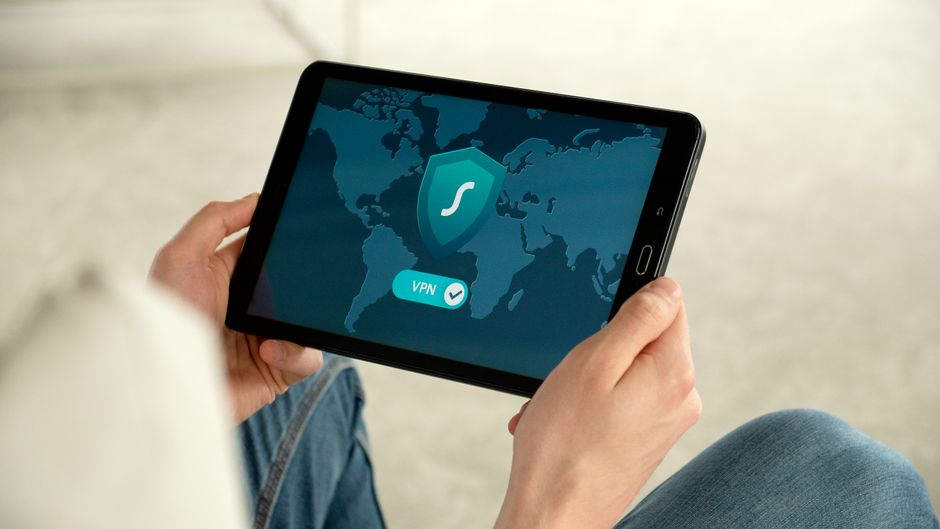
Having peeled back the layers of illusion and confronted the harsh realities of modern VPN services, it's clear that the landscape of online privacy is far more complex and perilous than many initially believed. The good news is that while the threats are evolving, so too are the tools and strategies available to individuals determined to reclaim their digital sovereignty. It's not about abandoning VPNs entirely; it's about making informed choices, understanding their limitations, and integrating them into a broader, more robust framework of digital hygiene. This final section isn't about scare tactics; it's about empowerment, providing actionable advice and practical steps you can take right now to fortify your online presence and ensure your VPN truly serves as a protector, not a liability. It's about moving beyond passive hope and embracing active vigilance, transforming from a potential victim into an informed digital citizen.
Choosing a VPN That Actually Works Your Due Diligence Checklist
Navigating the crowded VPN market can feel overwhelming, with countless providers vying for your attention, each promising unparalleled speed and impenetrable security. However, armed with the knowledge of the threats and vulnerabilities we've discussed, you can now approach this decision with a critical eye, sifting through the marketing fluff to identify services that genuinely prioritize your privacy and security. This isn't just about picking the cheapest or fastest option; it's about selecting a digital partner you can trust with your most sensitive information. Here's a comprehensive checklist to guide your due diligence, helping you distinguish the true guardians from the mere pretenders in the VPN space. Remember, your digital security is an investment, not an expense to be skimped on, and a little research now can save a lot of headaches later.
- A Verifiable No-Logs Policy with Independent Audits: This is non-negotiable. Look for VPNs that not only claim a no-logs policy but have also subjected their claims to independent security audits by reputable third parties. These audits should verify that no identifiable user data is being collected or stored. Transparency reports, detailing requests for user data and how the VPN responded (ideally, by having no data to provide), further build trust. A robust "no-logs" isn't a marketing claim; it's a fundamental promise backed by evidence, and without it, you're flying blind.
- Privacy-Friendly Jurisdiction: Choose a VPN provider registered in a country with strong privacy laws and no ties to the Five, Nine, or Fourteen Eyes intelligence-sharing alliances. Countries like Panama, the British Virgin Islands, Switzerland, and Romania are often cited as good examples. This geographical choice provides a crucial legal shield against compelled data requests, reinforcing the no-logs policy with a supportive legal framework.
- Strong Encryption and Modern Protocols: Ensure the VPN uses industry-standard, strong encryption like AES-256 (preferably GCM mode) and supports secure, modern protocols such as OpenVPN (UDP/TCP) and WireGuard. Avoid providers that prominently feature or default to outdated and vulnerable protocols like PPTP or L2TP/IPSec. The encryption standard isn't just a technical detail; it's the very fabric of your secure connection, and it must be robust against contemporary threats.
- Robust Leak Protection and a Kill Switch: A truly effective VPN must include built-in protection against DNS, WebRTC, and IPv6 leaks. Crucially, it must also feature an automatic "kill switch" that immediately severs your internet connection if the VPN tunnel unexpectedly drops. This prevents your real IP address or unencrypted traffic from being exposed, even for a split second, providing a critical layer of defense against accidental disclosures.
- Advanced Features for Enhanced Security: Look for features like obfuscation technology (e.g., Stealth VPN, Obfsproxy) if you anticipate needing to bypass advanced censorship or DPI. Split tunneling, which allows you to route some traffic through the VPN and some directly through your ISP, can be useful for balancing privacy and performance. Dedicated IP options can also offer advantages for certain use cases, reducing the likelihood of CAPTCHAs or blacklists. These advanced features demonstrate a commitment to user-specific needs and evolving threat landscapes.
- Transparent and Clear Privacy Policy: Read the privacy policy carefully. It should be written in clear, unambiguous language, explicitly stating what data (if any) is collected, how it's used, and how long it's retained. Avoid policies that are vague, overly broad, or buried in legal jargon. A company that truly respects your privacy will make its commitments easy to understand and readily accessible.
- Responsive and Knowledgeable Customer Support: While not directly a security feature, good customer support is vital. If you encounter issues, especially security-related ones, you need to know that you can get timely and expert assistance. Test their support responsiveness before committing to a long-term subscription; it's a good indicator of their overall commitment to user satisfaction and operational excellence.
- Fair and Transparent Pricing: Be wary of "too good to be true" free VPNs, as their business model almost always involves monetizing your data. For paid services, compare pricing plans, but don't let price be the sole determining factor. A slightly higher subscription fee often translates to better infrastructure, stronger security, and a more dedicated commitment to privacy, which is a worthwhile investment for your digital peace of mind.
Beyond the VPN Fortifying Your Entire Digital Presence
While choosing a high-quality VPN is a foundational step, it's crucial to understand that it's just one component of a comprehensive digital privacy strategy. The internet is a complex ecosystem, and protecting yourself effectively requires a multi-layered approach that addresses vulnerabilities across your entire digital presence. Think of it like securing your home: a strong front door (your VPN) is essential, but you also need secure windows, an alarm system, and good habits (your other privacy tools and practices). Relying solely on a VPN is akin to leaving the back door wide open; it leaves you exposed to numerous other tracking and surveillance mechanisms. Here's how you can build a more resilient digital fortress, integrating your VPN with other essential tools and practices for true online sovereignty. This isn't about being paranoid; it's about being prepared and proactive in a world that constantly seeks to collect your data.
- Embrace Secure, Privacy-Focused Browsers: Ditch Chrome and Edge for your everyday browsing. Instead, opt for browsers like Brave, Mozilla Firefox (with extensive privacy hardening), or Vivaldi, which offer built-in tracking protection, ad blocking, and stronger privacy controls. Supplement these with browser extensions like uBlock Origin (for ad and tracker blocking), Privacy Badger (to block invisible trackers), and HTTPS Everywhere (to ensure encrypted connections wherever possible). Your browser is your primary window to the internet, and securing it is paramount.
- Switch to Privacy-Focused Search Engines: Google, while convenient, is a data-mining behemoth. Transition to search engines that don't track your queries or build user profiles. DuckDuckGo and Startpage are excellent alternatives that provide relevant search results without compromising your privacy. This simple switch can significantly reduce the amount of data collected about your interests and online behavior.
- Implement Strong Passwords and Two-Factor Authentication (2FA): This is fundamental cybersecurity 101, yet it's astonishing how many people overlook it. Use unique, strong passwords for every online account, preferably generated and stored by a reputable password manager (e.g., Bitwarden, LastPass, 1Password). Enable 2FA on every service that offers it, using authenticator apps (like Authy or Google Authenticator) or hardware keys (like YubiKey) for the strongest protection. These simple steps are often the first line of defense against account takeovers.
- Harden Your Operating System and Devices: Regularly update your operating system (Windows, macOS, Linux, Android, iOS) and all your applications. Software updates often include critical security patches that fix newly discovered vulnerabilities. Review and adjust your device's privacy settings, disabling unnecessary location tracking, ad personalization, and data sharing with manufacturers or app developers. Take the time to understand what your devices are collecting and sharing, and exert control over that flow of information.
- Utilize Encrypted Email and Messaging Services: For sensitive communications, move beyond standard email providers and messaging apps that lack end-to-end encryption. Services like ProtonMail or Tutanota offer robust encrypted email, ensuring only you and the recipient can read your messages. For messaging, Signal is widely regarded as the gold standard for secure, end-to-end encrypted communication, offering strong privacy features that far surpass mainstream alternatives.
- Practice Good Digital Hygiene and Metadata Awareness: Be mindful of what you share online, even seemingly innocuous details. Every photo, every post, every "like" generates metadata that can be used to build a profile of you. Scrutinize app permissions, consider the privacy implications of new smart devices, and be cautious about connecting to unknown Wi-Fi networks. Understand that once information is online, it's incredibly difficult to erase. A proactive approach to your digital footprint is essential for long-term privacy.
The Future of Online Privacy Staying Ahead of the Curve
The quest for online privacy is not a one-time setup; it's an ongoing journey, a continuous adaptation to an ever-changing digital landscape. New threats emerge, technologies evolve, and the cat-and-mouse game between those seeking to protect and those seeking to exploit your data intensifies. To truly stay ahead of the curve and maintain your digital sovereignty, you need to cultivate a mindset of continuous learning, critical thinking, and active participation. It's about empowering yourself with knowledge, questioning assumptions, and advocating for a more private and secure internet for everyone. The future of online privacy rests not just on the shoulders of developers and policymakers, but on the informed choices and collective action of individual users. This is where we transition from simply being consumers of technology to becoming active stewards of our digital rights.
One of the most powerful things you can do is to continuously educate yourself and adapt your strategies. The advice I give today might be slightly different tomorrow as new vulnerabilities are discovered or new privacy-enhancing technologies emerge. Follow reputable cybersecurity news sources, engage with privacy communities, and don't be afraid to experiment with new tools. Understand that there's no single "perfect" solution; rather, it's about building a layered defense that suits your individual threat model and comfort level. The digital world is dynamic, and your privacy defenses must be equally fluid and responsive. Staying informed is your best weapon against complacency and technological obsolescence.
Furthermore, consider supporting open-source projects and privacy-focused initiatives. Many of the most secure and transparent tools—from VPN protocols like OpenVPN and WireGuard to browsers like Firefox and messaging apps like Signal—are open-source. This means their code is publicly available for anyone to inspect, making it much harder for backdoors or malicious code to hide. By supporting these projects, either through donations, contributions, or simply using their software, you're investing in a more transparent and secure digital future for everyone. It's a collective effort, and every contribution, no matter how small, helps strengthen the foundations of online privacy.
Finally, become an advocate for digital rights and privacy. Engage with discussions about data protection laws, support organizations that fight for online freedom, and make your voice heard on issues that impact your digital autonomy. The regulatory landscape around privacy is still very much in flux, and informed public opinion can play a crucial role in shaping policies that protect individual rights rather than corporate or governmental interests. Your personal vigilance, combined with collective advocacy, creates a powerful force for change. The battle for privacy is far from over, but with the right tools, knowledge, and mindset, you can navigate its complexities and emerge stronger, more secure, and truly free in the digital realm. It's about taking back control, one informed decision at a time, and never settling for a lie when the truth about your digital security is within reach.