Decoding the Deception The Second Pillar of Defense: Analyzing the Message Content and Urgency
Once you’ve performed your initial due diligence on the sender and the source, and perhaps even if that first check passed muster, the second critical step in our email security hack demands a deep dive into the actual content of the message. Phishers aren't just technical tricksters; they are master manipulators of human psychology. Their emails are carefully crafted not just to look legitimate, but to evoke specific emotional responses – fear, urgency, curiosity, greed, or even helpfulness – all designed to bypass your rational thought processes and compel you to act quickly, without critical reflection. This stage of our defense involves dissecting the language, tone, and requests within the email, searching for inconsistencies, red flags, and the tell-tale signs of social engineering tactics.
Legitimate organizations typically adhere to certain standards of communication. Their emails are usually well-written, grammatically correct, and professionally formatted. Phishing emails, particularly those from less sophisticated attackers, often betray themselves through poor grammar, awkward phrasing, or blatant spelling mistakes. While advanced phishers have improved dramatically in this area, even subtle linguistic anomalies can be a giveaway. Look for unusual capitalization, incorrect punctuation, or sentences that simply don't sound natural for the supposed sender. A legitimate bank isn't likely to send an email riddled with typos or using overly casual slang. These seemingly minor errors are often deliberate, aimed at filtering out more observant targets, or simply a sign of a non-native English speaker operating from a different part of the world, a common characteristic of many international scam operations.
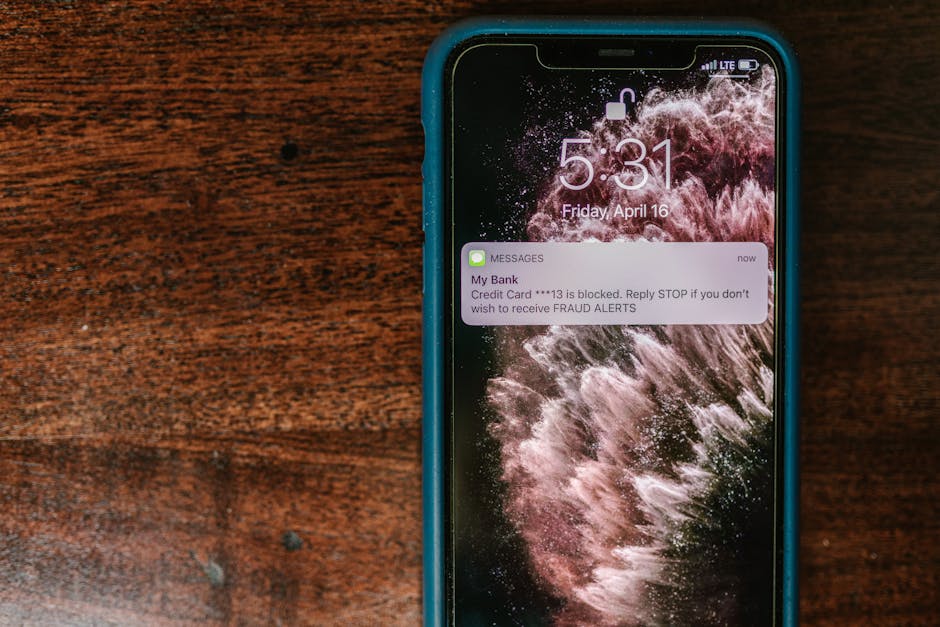
Beyond grammar, pay close attention to the overall tone and emotional appeals. Is the email attempting to scare you into action by threatening account suspension, legal action, or dire consequences if you don't respond immediately? Is it offering an unbelievably good deal or a lottery win that seems too good to be true? Is it appealing to your sense of urgency, claiming a limited-time offer or an immediate need for your attention? These are classic social engineering tactics. Phishers leverage our innate human responses to pressure and opportunity. They know that when we're feeling anxious or excited, our critical thinking skills tend to diminish. A legitimate entity will rarely demand immediate action without providing clear, verifiable context and alternative contact methods that don't involve clicking links in an email.
The Psychology of Persuasion Exploiting Human Vulnerabilities
The success of phishing hinges on its ability to exploit our cognitive biases and emotional vulnerabilities. One of the most potent tools in a phisher's arsenal is the creation of urgency. Emails claiming "Your account will be suspended in 24 hours!" or "Immediate action required for tax refund!" are designed to induce panic, pushing recipients to click links or provide information without adequately scrutinizing the request. This pressure cooker environment bypasses rational thought, leading individuals to react impulsively rather than methodically. I've seen countless instances where even tech-savvy individuals, caught off guard during a busy workday, fell for such urgent appeals, only realizing their mistake moments after disclosing sensitive data.
Another common psychological tactic is the appeal to authority. Phishing emails often impersonate figures of authority, whether it's the CEO of a company, a government official, or a reputable tech support agent. We are naturally inclined to respect and obey authority figures, and phishers exploit this by crafting messages that sound like official directives. This is particularly effective in BEC scams, where an employee might feel compelled to follow an "urgent" instruction from their "CEO" without questioning its legitimacy. Similarly, fake tech support emails often threaten system compromise or data loss if you don't immediately call a provided number or click a link, leveraging fear of a technical disaster to gain remote access to your computer.
Curiosity and greed are also powerful motivators that phishers skillfully tap into. Emails promising exclusive access, secret deals, or unexpected windfalls – "You've won a lottery!" or "Click here to see who viewed your profile!" – prey on our desire for something new, exciting, or beneficial. While these might seem obvious to some, the sheer volume and persistent nature of such scams mean that enough people, at moments of vulnerability or distraction, will eventually fall for them. The key here is to cultivate a healthy dose of skepticism: if something seems too good to be true, it almost certainly is. No legitimate lottery notifies winners via random email, and no bank offers "exclusive" deals that require you to verify your entire account details through an unsolicited link.
Unusual Requests and Generic Greetings The Subtle Red Flags
Beyond the emotional appeals, scrutinize the nature of the request itself. Does the email ask for information that a legitimate entity would never request via email? Banks, for example, will never ask you to confirm your full password, PIN, or Social Security number through an email link. They might ask you to log into your account securely on their official website, but never to provide such sensitive details directly in response to an email. Any request for credentials, personal identification numbers, or financial account details sent through an unsolicited email should be treated with extreme suspicion. This is a fundamental rule of online security that phishers consistently try to break.
Another subtle but often revealing clue lies in the personalization, or lack thereof, in the greeting. Many phishing emails use generic greetings like "Dear Customer," "Dear Valued User," or simply no greeting at all. Legitimate communications from organizations you have an account with will almost always address you by your name, or at least by the name associated with your account. While some sophisticated phishing attempts do manage to personalize greetings, a generic salutation should immediately raise a red flag and prompt further investigation. It suggests that the sender doesn't actually know who you are, or that they are sending out a mass email to a wide, undifferentiated audience, a common tactic for broad-spectrum phishing campaigns.
"Phishing isn't just about technology; it's about exploiting the human operating system. A keen eye for psychological manipulation is your best antivirus." – A cybersecurity psychologist.
Consider the context of the email as well. Is it something you were expecting? Did you recently interact with the sender in a way that would prompt this communication? If you haven't ordered a package, an email about "urgent delivery issues" is highly suspicious. If you haven't applied for a job, an email offering you a position is likely a scam. Discrepancies between the email's claims and your real-world interactions are powerful indicators of fraud. A particularly insidious example I encountered involved a fake invoice for a service that a small business *did* actually use, but the invoice amount was slightly off, and the payment details were different. The owner almost paid it, thinking it was a legitimate, albeit slightly incorrect, bill, until a careful comparison with previous invoices revealed the subtle but critical divergence.
By training yourself to critically analyze the content of every suspicious email, to look beyond the surface, and to question the emotional appeals and the nature of the requests, you add another robust layer to your defense. This step transforms you from a passive recipient into an active investigator, capable of spotting the subtle cues that betray a phisher's intent. It's about developing a healthy skepticism and trusting your gut feeling when something just doesn't seem right. Remember, legitimate organizations want to build trust, not instill panic or coerce you into immediate, unverified action. Their communications will reflect this professionalism and transparency, qualities conspicuously absent in the deceptive world of phishing.