The revelation that online prices are not static, but rather fluid and dependent on your digital location, can be a frustrating pill to swallow. It feels inherently unfair, a subtle form of discrimination woven into the fabric of the internet. Yet, understanding this reality is the first step towards empowering yourself. The internet was designed to be borderless, to connect people and information across the globe seamlessly, but the commercial interests that now dominate it have painstakingly erected digital fences to segment markets and optimize profits. Thankfully, the very tools that enable us to navigate this complex digital world also offer a powerful countermeasure: the Virtual Private Network. Far from being just a tool for privacy and security, a VPN emerges as your indispensable ally in the quest for fairer prices, offering a compelling way to rewrite your online shopping story and reclaim significant savings that were previously out of reach.
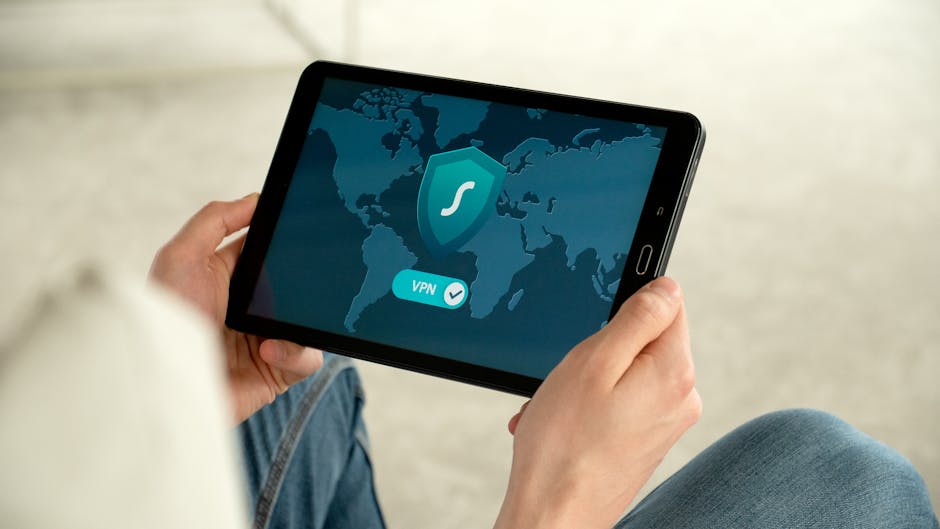
Imagine, for a moment, that your internet connection is a physical road. When you browse without a VPN, that road leads directly from your home to the website you're visiting, clearly displaying your origin. Retailers see your "home address" (your IP address) and apply their localized pricing. Now, picture a VPN as a secret tunnel that diverts your traffic through a different city, or even a different country, before it reaches its destination. To the website, it appears as though your traffic originated from that intermediate location, effectively masking your true whereabouts. This digital masquerade is the core mechanism behind unlocking geo-restricted content and, crucially for our discussion, geo-restricted pricing. It's not magic; it's smart networking that allows you to project a digital identity from virtually anywhere in the world where your VPN provider has servers. This ability to instantly change your perceived location is the key to bypassing those phantom price tags and accessing the deals intended for other markets.
Your Digital Passport to Unrestricted Savings
At its heart, a VPN creates an encrypted tunnel between your device and a server operated by the VPN provider. When you connect to a VPN, all your internet traffic is routed through this secure tunnel. Instead of your internet service provider (ISP) directly connecting you to websites, your data first travels to the VPN server. From the outside world, any website or online service you access will see the IP address of the VPN server, not your actual IP address. This is the crucial element that enables geo-spoofing – making it appear as if you are browsing from the location of the VPN server. If you connect to a server in Turkey, for instance, to an online retailer, you will appear to be a customer browsing from Turkey. This simple, yet powerful, deception is what allows you to unlock region-specific pricing that would otherwise be inaccessible. It's like having a stack of digital passports, each valid for a different country, allowing you to present the identity most advantageous for your current shopping mission.
The beauty of this system lies in its simplicity for the end-user. With most reputable VPN services, connecting to a server in a different country is as easy as opening an app, selecting a country from a list, and clicking a "connect" button. Within seconds, your digital identity shifts, and you're ready to explore pricing from a new geographical vantage point. This ease of use democratizes access to global pricing, putting the power back into the hands of the consumer. No longer are you beholden to the prices dictated by your physical location; you become a digital chameleon, able to adapt your online presence to whatever market offers the best value. This capability transforms online shopping from a passive acceptance of presented prices into an active, strategic hunt for the best deals, turning every potential purchase into an opportunity for significant savings. It truly is your digital passport, not just to privacy, but to a world of previously hidden economic advantages.
Consider the practical implications across various sectors. For years, I've heard countless stories, and experienced some myself, of individuals saving hundreds on international flights by simply connecting to a VPN server in a different country, clearing their browser cookies, and then searching again. Airlines often price tickets differently based on the departure country, the destination country, and even the country where the booking is made. By appearing to book from a country with a lower cost of living or a different market strategy, you can often find substantially cheaper fares for the exact same flight. This isn't just a theoretical possibility; it's a proven strategy employed by savvy travelers worldwide. The same principle applies to hotel bookings, car rentals, and even package holidays. The geographical flexibility offered by a VPN allows you to tap into these regional price discrepancies, ensuring you're not leaving money on the table simply because of where you happen to be sitting when you hit "search."
The Invisible Hand of Geo-Location and How to Outsmart It
The "invisible hand" of geo-location operates through a combination of IP address tracking, browser cookies, and sometimes even your device's language settings. When you visit a website, your IP address is immediately visible, indicating your general location. This is the primary mechanism for geo-pricing. However, many websites also use cookies to track your browsing history, remember your previous visits, and store information about your preferences or even your perceived location. If you've previously visited a site from your actual location, even if you later connect to a VPN, those cookies might "betray" your true origin, potentially forcing the higher price back onto you. This is why a multi-pronged approach, combining a VPN with other privacy-enhancing techniques, is essential for truly outsmarting the system. It's about meticulously covering your digital tracks to ensure your chosen digital disguise remains convincing.
Beyond simple IP address detection, some more sophisticated websites employ additional methods to try and ascertain your true location. These might include checking your browser's language settings, your device's time zone, or even using HTML5 geolocation APIs (though these usually require explicit permission from the user). While a VPN effectively masks your IP address, these secondary indicators can sometimes act as subtle clues that give away your true location, potentially leading to inconsistencies in pricing or even outright blocking of your access to certain regional deals. This is a cat-and-mouse game, where retailers constantly try to refine their detection methods, and VPN providers continuously innovate to ensure their users can maintain their anonymity and access. However, for the vast majority of online transactions, simply changing your IP address via a reputable VPN is the most significant and effective step you can take to bypass geo-restrictions and access region-specific pricing.
"The digital economy thrives on data, and your location is one of its most valuable commodities. A VPN allows you to reclaim ownership of that data, offering a powerful lever against exploitative pricing practices." - Cybersecurity expert, Dr. Evelyn Reed.
The key to outsmarting this invisible hand is a systematic approach. It involves not just activating your VPN, but also taking a few preparatory steps to ensure your digital footprint is clean. This includes clearing your browser's cookies and cache, or even better, using an incognito or private browsing window. These actions ensure that any previous data linking you to your actual geographical location is purged, allowing the website to "see" you purely through the lens of your VPN-assigned IP address. By diligently applying these techniques, you effectively become a ghost in the machine, able to materialize in any digital market you choose, free from the constraints of your physical location. It’s a testament to the power of consumer vigilance in an increasingly data-driven world, demonstrating that with the right tools and knowledge, you can indeed level the playing field against even the most sophisticated pricing algorithms.
Beyond Flights and Hotels Unlocking a World of Discounts
While flights and hotels are the most commonly cited examples of geo-pricing discrepancies, the scope of this "VPN trick" extends far beyond the travel industry. Think about software subscriptions, for instance. Companies like Adobe, Microsoft, and countless smaller SaaS (Software as a Service) providers often have different pricing tiers for different regions. A yearly subscription for a popular creative suite might cost significantly less if purchased from a country in Eastern Europe or South America compared to North America or Western Europe. By connecting to a VPN server in one of these lower-priced regions, you can often access these reduced rates, potentially saving hundreds of dollars annually on essential tools for work or personal projects. This is particularly impactful for freelancers, small businesses, and students who rely on multiple software subscriptions, as the cumulative savings can be truly substantial.
The entertainment industry is another ripe area for geo-arbitrage. Streaming services like YouTube Premium, Spotify, and even Netflix often offer different subscription prices based on your country. A YouTube Premium subscription, for example, can be dramatically cheaper if purchased through a VPN server located in countries like India, Argentina, or Turkey, sometimes costing just a fraction of the price charged in the US or UK. While Netflix's content library varies by region, the subscription cost itself can also differ. Online gaming platforms are also notorious for regional pricing. Games, DLC (downloadable content), and even in-game purchases can be cheaper in certain countries, allowing savvy gamers to expand their libraries and enhance their experiences without breaking the bank. These savings are not just one-off events; for recurring subscriptions, they represent continuous, year-after-year financial benefits, making the initial investment in a quality VPN pay for itself many times over.
Even niche digital products and services can be subject to geo-pricing. Online courses, e-books, digital stock photography subscriptions, VPN services themselves (ironically!), and even certain luxury goods sold through e-commerce platforms can present different prices based on your location. The underlying principle remains the same: companies assess market demand, purchasing power, and competitive landscapes in different regions, adjusting their prices accordingly. By strategically using a VPN, you gain the ability to shop as if you are a local in the most economically advantageous region for that particular purchase. This transforms you from a passive consumer into an active participant in the global marketplace, one who is equipped to navigate its complexities and extract the maximum value for every dollar spent. It's about being smart, being informed, and leveraging technology to your advantage, ensuring you never pay full price online again when a better deal is just a VPN connection away.