When Smart Speakers Spill the Beans: Real-World Eavesdropping Scandals
It’s one thing to theorize about potential privacy breaches; it’s another entirely to face the chilling reality of documented instances where smart devices have unequivocally overstepped their bounds, acting as unwitting informants in our own homes. The most prominent examples often involve smart speakers, those seemingly innocuous cylinders and pucks that sit on our countertops and nightstands, always ready to answer our whims. Consider the numerous reports over the years of Amazon's Alexa and Google Assistant recording private conversations without a wake word, sometimes even sending these recordings to unintended recipients. There was the widely publicized incident in Portland, Oregon, where an Alexa device recorded a private conversation between a couple and then sent the audio file to a random contact in their address book. The couple only discovered the breach when their contact called them back, utterly confused by the snippet of their living room chat. Amazon attributed it to a series of misinterpretations by the device, but the damage to trust was significant and lasting.
These aren't isolated glitches; they are symptoms of a systemic issue inherent in the design and operation of always-on listening devices. Beyond accidental transmissions, there have been revelations that tech giants employ thousands of human contractors to listen to and transcribe anonymized audio snippets from smart speakers. While companies claim this is for improving AI accuracy and understanding diverse accents, the very act of human beings listening to fragments of private conversations, even if anonymized, raises serious ethical questions. Imagine a contractor in a call center, listening to a recording of your child's bedtime story, or a snippet of an argument with your spouse, or a discussion about your financial plans. Even without identifying information, the emotional weight and intrusive nature of this practice are undeniable. It transforms your intimate moments into data points for a vast, faceless corporate machine, stripping away the very essence of privacy and personal dignity within your own home. It’s a stark reminder that when we invite these devices in, we often invite a human element of surveillance we never bargained for.
Furthermore, the data collected isn't always used merely for product improvement. It's often intertwined with extensive data profiling for advertising purposes. Imagine discussing a specific product or service casually with family members, only to find targeted ads for that very item appearing on your phone or computer moments later. While companies vehemently deny that smart speakers actively listen for ad targeting, the coincidences are too frequent and too precise for many consumers to dismiss. This phenomenon, often dubbed "ambient listening for ads," highlights the opaque nature of data flows within these interconnected ecosystems. It's a complex web where your spoken words, your search queries, your browsing history, and your location data can all be aggregated to build an incredibly detailed profile of your preferences, desires, and vulnerabilities, all in the service of delivering more effective, and often more intrusive, advertisements. The line between helpful personalization and invasive surveillance becomes increasingly blurred, leaving consumers feeling monitored and manipulated.
The Prying Eyes of Smart Cameras and TVs
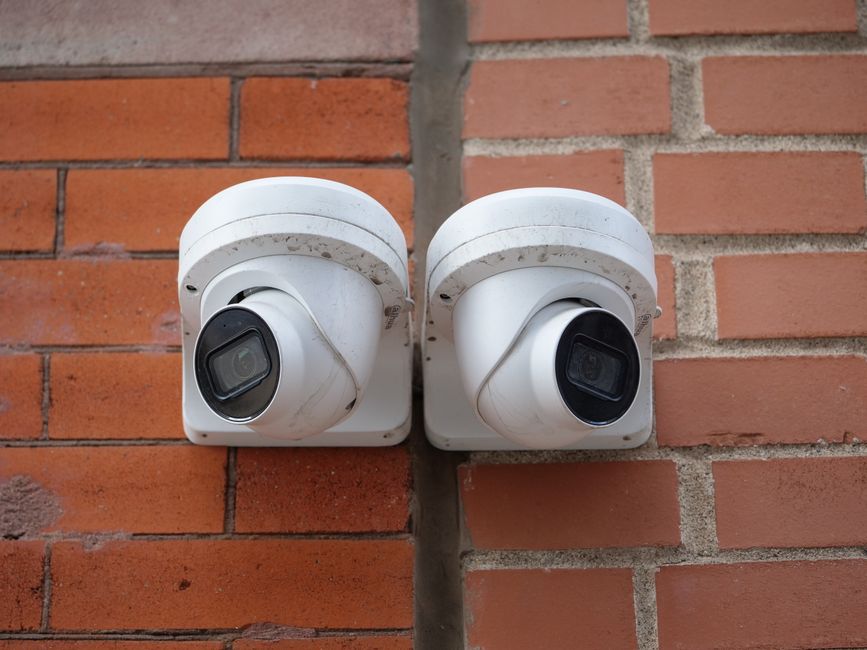
Beyond the auditory realm, smart cameras and televisions present their own unique set of visual privacy challenges. Smart security cameras, while offering genuine security benefits, are also prime targets for hackers and potential vectors for misuse. There have been numerous reports of compromised baby monitors and home security cameras, where strangers gained unauthorized access, allowing them to watch families, speak to children, or even record intimate moments. The vulnerability often stems from weak default passwords, unpatched firmware, or users failing to implement basic security hygiene. The chilling thought of a stranger peering into your child's nursery or observing your living room without your knowledge is enough to make anyone reconsider the convenience these devices offer. It’s a stark reminder that any internet-connected camera is a potential window for those with malicious intent, transforming a tool of protection into a vector for violation.
Smart TVs are another often-overlooked culprit in the smart home surveillance landscape. Many modern smart TVs come equipped with microphones for voice control and, in some cases, even cameras for video conferencing or gesture recognition. While these features enhance the user experience, they also create potential listening and watching posts in your living room. Remember the infamous "Samsung Smart TV privacy policy" scandal from 2015, where a clause stated, "Please be aware that if your spoken words include personal or other sensitive information, that information will be among the data captured and transmitted to a third party through your use of Voice Recognition." While Samsung later clarified and modified the language, it highlighted the inherent data collection capabilities of these devices. Even without explicit voice commands, many smart TVs collect vast amounts of viewing data – what you watch, when you watch it, how long you watch, and even what apps you use. This data is incredibly valuable for advertisers and content providers, allowing them to build comprehensive profiles of your entertainment habits, which can then be used for targeted advertising and content recommendations, further eroding your privacy.
"Every smart device in your home is a potential data point, and every data point can contribute to a mosaic of your life that you never consented to share." – Edward Snowden, Whistleblower and Privacy Advocate.
The convergence of these technologies creates a truly pervasive surveillance environment. Your smart speaker hears your conversations, your smart TV sees what you watch, your security camera tracks your movements, and your smart thermostat logs your presence. Each piece of data, individually, might seem innocuous, but when aggregated, correlated, and analyzed by powerful algorithms, it paints an incredibly detailed and intimate picture of your life. This digital shadow can reveal your routines, your relationships, your health concerns, your political leanings, and your financial habits. It's a level of pervasive data collection that was unimaginable just a couple of decades ago, and it's happening in the very heart of our homes, often with our unwitting participation. The convenience is seductive, but the cost to our personal autonomy and the sanctity of our private lives is becoming increasingly clear, demanding a proactive and informed response from every digital citizen.