The Darker Side of Smart Living: Hacking, Espionage, and Digital Vulnerabilities
Beyond the often-sanitized discussions of data collection for advertising, there exists a far more sinister underbelly to the smart home phenomenon: the very real threat of malicious actors exploiting these devices for hacking, espionage, and even enabling domestic abuse. It's a chilling thought, but every internet-connected device in your home represents a potential entry point for cybercriminals, state-sponsored actors, or even disgruntled individuals with a modicum of technical know-how. The convenience of remote access to your home also means potential remote access for those you certainly don't want peering into your life, transforming your sanctuary into a vulnerable target for surveillance and exploitation. This isn't science fiction; these are documented incidents, and the risks are growing as our homes become increasingly saturated with interconnected, often poorly secured, gadgets.
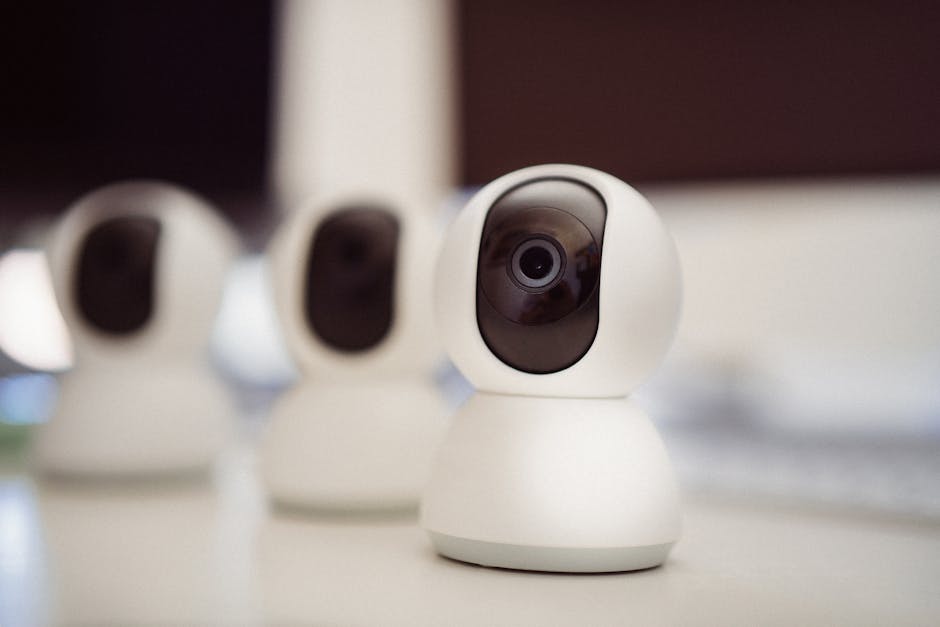
The primary vulnerability lies in the inherent security weaknesses of many Internet of Things (IoT) devices. Manufacturers, in a race to market and often prioritizing features over robust security, frequently ship devices with default passwords that are never changed, unpatched firmware, or insecure communication protocols. These weaknesses are catnip for hackers. Botnets like Mirai, which famously took down large parts of the internet, relied on exploiting default credentials in IoT devices like smart cameras and DVRs. Once compromised, these devices can be used for far more than just surveillance; they can become part of a distributed denial-of-service (DDoS) attack, a staging ground for launching further cyberattacks, or even a gateway into your broader home network, giving attackers access to more sensitive devices like your computer or smartphone. The smart light bulb, seemingly innocent, could be the weak link that allows a sophisticated adversary to infiltrate your entire digital life, all because it shipped with a generic password and never received a security update.
The threat of espionage, both corporate and state-sponsored, is also a very real concern. Imagine a competitor wanting to gain insights into your business strategy, or a foreign intelligence agency seeking information on a target individual. A compromised smart speaker or camera in a home office could provide a constant stream of audio and video, capturing sensitive discussions, revealing documents, or even identifying visitors. For individuals working in sensitive fields, journalism, or government, the smart home can become a serious national security risk. The microphones and cameras, designed for convenience, can be weaponized against the very people they are meant to serve, turning the tools of modern living into instruments of sophisticated surveillance. It’s a stark reminder that in the interconnected world, the physical boundaries of our homes no longer guarantee the privacy we once took for granted, as digital eavesdroppers can transcend walls and distance with ease.
When Technology Facilitates Abuse: The Hidden Dangers
Perhaps one of the most disturbing applications of compromised smart home technology is its potential use in domestic abuse and harassment. We’ve seen a growing number of reports where abusers have weaponized smart devices to monitor, control, and terrorize their victims. This can manifest in various ways: remotely locking or unlocking doors, controlling thermostats to make the home uncomfortably hot or cold, playing disturbing sounds through smart speakers, or constantly monitoring a victim’s movements through connected cameras. The ability to remotely manipulate the home environment, combined with the pervasive surveillance capabilities, creates a deeply insidious form of control that extends beyond physical presence, trapping victims in a digital cage within their own homes.
"The smart home, designed for convenience, can become a pervasive tool for control and abuse when weaponized by those with malicious intent, turning sanctuary into a prison." – Eva Galperin, Director of Cybersecurity, Electronic Frontier Foundation.
Victims often find it incredibly difficult to escape this digital abuse. Changing passwords might be thwarted by the abuser having access to email accounts or administrative portals. Disconnecting devices might lead to further escalation or retaliation. The insidious nature of this technological abuse lies in its subtlety and its omnipresence, making victims feel constantly watched, constantly controlled, and constantly unsafe, even in the presumed safety of their own residence. It adds a terrifying new dimension to domestic violence, highlighting the urgent need for better security measures, more awareness among law enforcement, and robust support systems for victims navigating this complex intersection of technology and abuse. It’s a stark reminder that technology, while offering immense benefits, also carries the potential for profound harm when placed in the wrong hands, particularly within the intimate and vulnerable confines of a personal relationship.
The problem is compounded by the fact that many smart home ecosystems are designed for single-user control, making it difficult for multiple occupants to truly understand or manage the privacy settings. If one household member sets up and manages all the smart devices, they often have administrative control over all data streams, including cameras and microphones. This power imbalance can be easily exploited in abusive relationships, where one party uses their technical savviness to gain complete surveillance over another. The lack of granular permissions or clear transparency within these systems makes it a fertile ground for such misuse. It's a critical design flaw that needs to be addressed by manufacturers, ensuring that smart home technology empowers all occupants, rather than providing a tool for control and intimidation to one individual over another. Our smart homes should be spaces of comfort and security for everyone, not instruments of digital tyranny.