Forging an Impervious Digital Cloak
Building a robust defense against pervasive online tracking isn't about finding a single magic bullet; it's about meticulously layering multiple privacy-enhancing technologies and adopting a disciplined approach to your digital interactions. Think of it as constructing a digital fortress, brick by brick, each element reinforcing the others to create a formidable barrier against prying eyes. This involves consciously choosing tools and services that prioritize your privacy, understanding their limitations, and integrating them into your daily routine. The goal is to obscure your true identity, location, and online activities, making it incredibly difficult for anyone, from advertisers to state-sponsored actors, to accurately piece together your digital footprint. This journey requires dedication, but the peace of mind that comes with knowing you've taken significant steps to protect your autonomy is well worth the effort.
One of the most fundamental aspects of online untraceability is controlling your IP address, which, as we discussed, is often the first and easiest identifier. However, simply masking your IP isn't enough; true untraceability demands a holistic approach that addresses browser fingerprinting, DNS leaks, metadata, and the insidious reach of data brokers. We'll delve into the nuances of each of these areas, providing concrete examples and expert insights to help you navigate the complex terrain of digital anonymity. It's a continuous learning process, as tracking technologies constantly evolve, but by understanding the core principles and employing the right tools, you can significantly tip the scales in your favor, transforming from a transparent target into a digital ghost.
Reclaiming Your Internet Protocol Identity
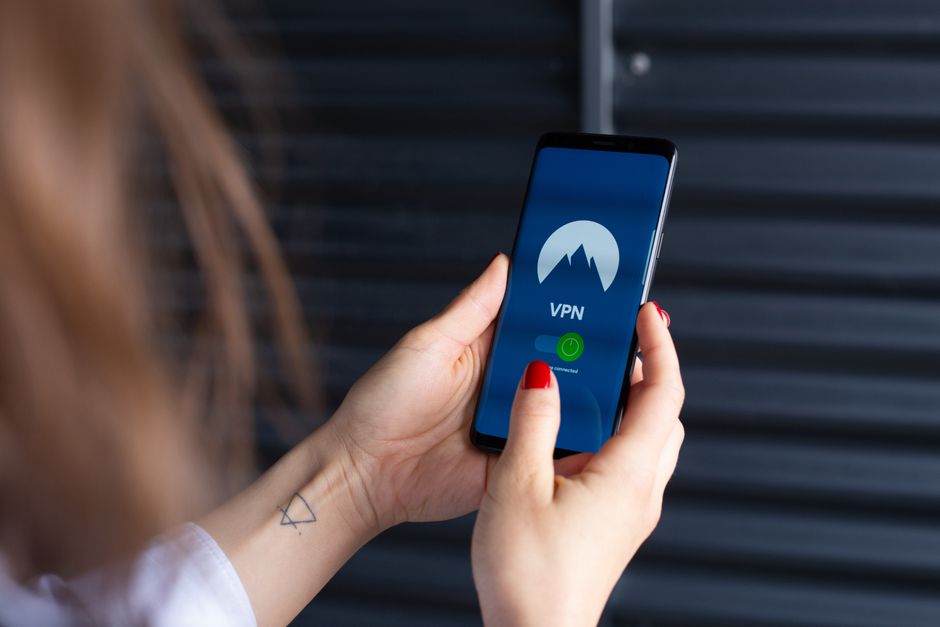
The first and arguably most crucial step in obscuring your online identity is to hide your true IP address. This is where a Virtual Private Network (VPN) becomes indispensable. A VPN encrypts your internet traffic and routes it through a server operated by the VPN provider, effectively masking your real IP address with that of the server. This means that any website or service you connect to will see the VPN server's IP, not yours, providing a significant layer of anonymity and location spoofing. But not all VPNs are created equal; choosing a reputable provider is paramount. Look for services with a strict "no-logs" policy, meaning they do not store any records of your online activities, connection times, or IP addresses. Jurisdiction also matters; VPNs based in privacy-friendly countries outside the "Five Eyes," "Nine Eyes," or "Fourteen Eyes" intelligence-sharing alliances often offer stronger legal protections against data requests.
Beyond the basics, a truly effective VPN setup involves understanding and utilizing its advanced features. A "kill switch," for example, is vital; it automatically disconnects your device from the internet if the VPN connection drops, preventing your real IP address from being accidentally exposed. DNS leak protection is another critical feature, ensuring that your domain name system requests (which translate website names into IP addresses) are also routed through the VPN's encrypted tunnel, rather than being handled by your ISP's potentially logging DNS servers. Split tunneling allows you to choose which apps or websites use the VPN and which connect directly, offering flexibility but also requiring careful configuration to avoid accidental leaks. Choosing robust encryption protocols like OpenVPN or WireGuard further fortifies your connection, making it incredibly difficult for anyone to intercept and decipher your data. Remember, a free VPN might seem appealing, but if you're not paying for the service, you're often the product, with your data being collected and sold, completely defeating the purpose of seeking anonymity.
The Labyrinthine Path of Anonymity Networks
While a VPN provides a solid foundation for privacy, for those seeking a higher degree of anonymity, especially against state-level surveillance, the Tor network (The Onion Router) is an essential tool. Tor works by routing your internet traffic through a worldwide network of volunteer-operated relays, encrypting it multiple times at each hop. Each relay only knows the previous and next relay in the circuit, making it incredibly difficult to trace the traffic back to its origin. This "onion routing" mechanism provides a significantly higher level of anonymity than a VPN alone, making it the go-to choice for journalists, activists, and anyone operating in environments where surveillance is rampant.
However, Tor comes with its own set of considerations. The multi-layered encryption and routing mean that internet speeds can be significantly slower, making it impractical for activities requiring high bandwidth like streaming or large downloads. There's also the "exit node" problem, where the last server in the Tor circuit (the exit node) can see your unencrypted traffic if you're visiting an HTTP (non-secure) website. While your origin remains hidden, the data itself could be intercepted at this point. Therefore, it's crucial to always use HTTPS (secure) websites when browsing through Tor to ensure end-to-end encryption. Combining Tor with a VPN (often referred to as "Tor over VPN") can offer an even greater layer of protection, where your VPN masks your initial connection to the Tor network, making it harder for your ISP to even know you're using Tor. This setup combines the IP masking of the VPN with the multi-hop anonymity of Tor, creating a formidable shield against identification.
Ditching the Data-Hungry Browsers and Search Engines
Your web browser is your primary interface with the internet, and by default, most popular browsers like Google Chrome or Microsoft Edge are designed to collect vast amounts of data about your browsing habits. To truly become untraceable, you need to switch to privacy-focused alternatives and configure them meticulously. Browsers like Mozilla Firefox, especially when hardened with privacy add-ons (such as uBlock Origin, Privacy Badger, and Decentraleyes), offer a significant improvement. Even better are browsers built from the ground up with privacy in mind, like Brave, which blocks ads and trackers by default, or the Tor Browser itself, which is pre-configured to connect to the Tor network and includes robust anti-fingerprinting measures.
Similarly, your choice of search engine has a profound impact on your digital footprint. Google's search engine, while powerful, tracks your queries and uses them to build a profile for targeted advertising. Transitioning to privacy-respecting search engines like DuckDuckGo, Startpage, or Searx is a critical step. DuckDuckGo famously pledges "we don't track you," delivering search results without logging your IP address or search history. Startpage acts as a proxy for Google searches, delivering Google's results but stripping away all tracking before they reach you. Searx is an open-source metasearch engine that aggregates results from various search engines without sharing your query with them, offering even greater anonymity. Making these switches might require a slight adjustment in your search habits, but the trade-off for enhanced privacy is undoubtedly worth it.
The Art of Disappearing from Data Brokers
Even if you meticulously protect your online activities, your personal information might already be floating around in the vast databases of data brokers. These companies collect, aggregate, and sell personal information gleaned from public records (birth certificates, marriage licenses, property deeds), social media, online purchases, and even loyalty programs. Their profiles can be incredibly detailed, encompassing everything from your age and address to your estimated income, political leanings, and health conditions. Disappearing from these databases is a monumental task, but it's not entirely impossible; it requires sustained effort and vigilance.
The process often involves manually identifying data brokers that hold your information and then submitting opt-out requests, one by one. Websites like WhitePages, Spokeo, and Intelius are just the tip of the iceberg, and each has its own, often convoluted, opt-out procedure. Some services, like DeleteMe, offer paid subscriptions to handle this process for you, continuously monitoring and submitting opt-out requests on your behalf. While this can be effective, it's important to understand that data brokers are constantly acquiring new information, so this isn't a one-time fix but an ongoing battle. The key is to minimize the public information available about you and to be extremely cautious about sharing personal details online, even in seemingly innocuous contexts, as every piece of data you willingly provide can eventually find its way into these pervasive databases.