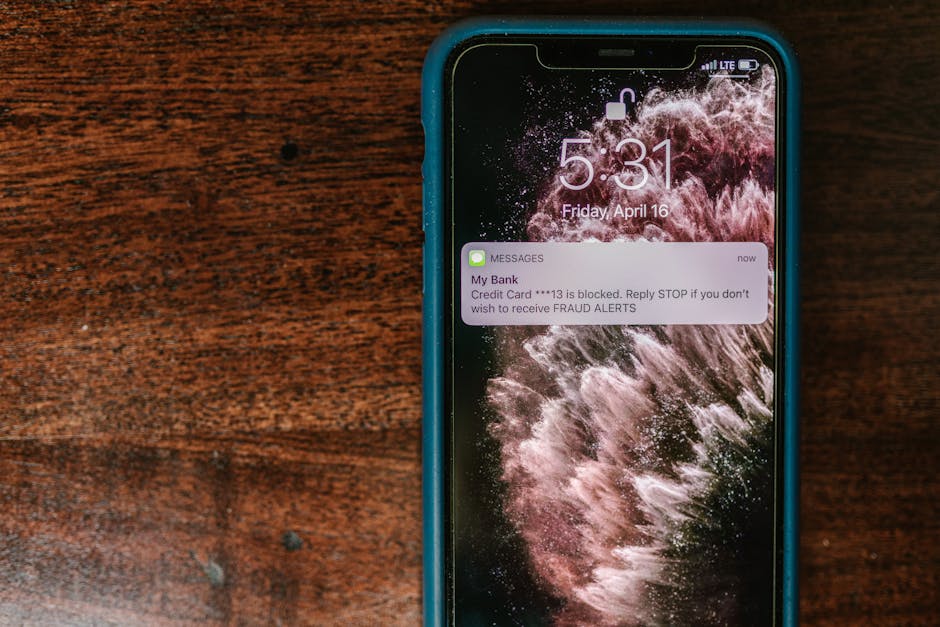
The intricate dance between user convenience and corporate data harvesting is nowhere more evident than in the realm of social media, but it's far from the only stage where our digital lives are under constant scrutiny. While we often focus on the giants, a vast ocean of seemingly innocuous applications lurks on our devices, quietly siphoning off data, often with permissions that stretch far beyond their stated functionality. These are the apps we download without a second thought, lured by the promise of a free service, a fun game, or a simple utility, unaware that we're often paying with our privacy. The problem isn’t just that they collect data; it’s that the data they collect is often irrelevant to their core function, yet incredibly valuable to data brokers and advertisers, creating a shadow economy where our personal lives are the primary commodity.
The Deceptive Allure of "Free" Productivity and Utility Apps
Think about the last time you downloaded a weather app, a flashlight app, a QR code scanner, or even a custom keyboard. These applications often present themselves as indispensable tools, simplifying our daily lives. Yet, many of these seemingly benign utilities are among the worst offenders when it comes to privacy invasion. The business model is simple, yet insidious: offer a free service, then monetize the user by collecting and selling their data, or by injecting intrusive advertisements. The permissions these apps request are often the first red flag, but one that most users scroll past without a second thought. Why does a flashlight app need access to your contacts, call history, or precise location? Why does a weather app require microphone access? The answer, almost invariably, points towards data exfiltration, profiling, and targeted advertising, not towards improving the app's primary function.
A classic example is the proliferation of "free" VPN apps. While a legitimate VPN is designed to enhance your privacy and security, many free VPNs do the exact opposite. They often collect your browsing data, inject ads, and even sell your bandwidth to third parties, turning your device into an exit node for others' traffic. This is a particularly egregious form of spying, as users download these apps specifically for privacy protection, only to find their data being exploited by the very tool meant to safeguard it. A 2018 study by the Commonwealth Scientific and Industrial Research Organisation (CSIRO) found that 75% of free Android VPN apps contained at least one tracking library, and 38% injected malware or adware. This statistic is a stark reminder that 'free' often comes with a hidden, and often hefty, price tag in the world of digital services, transforming what should be a shield into a gaping vulnerability.
The danger with these utility apps isn't just about the data they collect; it's about the precedent they set and the normalization of excessive permissions. When we routinely grant a photo editor access to our entire photo library, or a fitness tracker access to our health data and location history, we become desensitized to the true implications of these permissions. App developers exploit this desensitization, bundling unnecessary data requests into their terms of service, knowing full well that few users will read through pages of legal jargon. This creates a fertile ground for privacy violations, where even legitimate-looking apps can become conduits for surveillance, turning our devices into open books for anyone willing to pay for the insights they offer. The convenience they offer is often a Trojan horse, concealing a sophisticated data-gathering operation designed to profit from our digital footprints.
Decoding Unnecessary Permissions and Their Malicious Intent
Let's delve into the specific types of permissions these apps often demand and what they truly mean for your privacy. Take, for instance, access to your camera and microphone. While a video calling app or a voice recorder clearly needs these, why would a simple calculator or a game request them? Such permissions can allow the app to record your surroundings, capture images or videos without your knowledge, or even listen in on your conversations. Similarly, "read phone status and identity" can grant an app access to your device's unique identifiers (IMEI, advertising ID), your phone number, and even details about your network carrier, which can then be used to track you across different apps and platforms, building a comprehensive profile of your device and its owner. This level of access transforms a simple utility into a potential eavesdropping device, turning your personal space into an open studio for data collection.
"The data you give away for free is never truly free. It’s a transaction where you are the product, and your privacy is the currency." - Unknown. This quote resonates deeply when discussing 'free' apps, highlighting the often-unseen cost of digital convenience.
Another major red flag is "access to contacts." Unless an app's primary function is to manage your contacts or facilitate communication with them, there's rarely a legitimate reason for it to request this permission. When granted, these apps can upload your entire address book to their servers, including names, phone numbers, and email addresses of people who have never even interacted with the app themselves. This isn't just a violation of your privacy; it's a violation of your friends' and family's privacy as well. This practice has led to countless controversies, particularly when these contact lists are then used for spamming or to build social graphs for targeted advertising. The seemingly innocuous act of granting a simple permission can have far-reaching implications, extending the surveillance net beyond just the user and encompassing their entire social circle, often without explicit consent from those individuals.
Furthermore, "precise location access" is another permission frequently abused by utility apps. While a navigation app or a ride-sharing service legitimately needs to know your location, many other apps, from games to wallpaper providers, request this data. This allows them to track your movements in real-time, build a detailed history of places you visit, and even infer your routines and habits. This location data can then be sold to advertisers, used for behavioral profiling, or even, in more extreme cases, used for surveillance by malicious actors. The aggregation of this data over time can reveal incredibly intimate details about your life, including your home address, workplace, doctor's office, and even places of worship. The innocent desire for a local weather forecast can inadvertently lead to a granular, real-time map of your entire existence being created and monetized by unseen entities, transforming your movements into a valuable data stream.