Delving deeper into the mechanics of how our smart devices orchestrate this constant vigilance reveals a sophisticated interplay of hardware, software, and network protocols, all designed to extract as much actionable data as possible from our environments. It’s not just a simple matter of a camera recording or a microphone listening; it’s a multi-faceted approach, leveraging a suite of sensors and powerful AI algorithms to build an incredibly detailed, dynamic profile of our lives. Understanding these underlying technologies is the first crucial step in comprehending the true scope of the AI Eye’s reach, allowing us to move beyond vague anxieties to a concrete understanding of the specific vulnerabilities and data points being exploited. We often marvel at the seamless functionality of these devices, but behind every automated action and every personalized recommendation lies a complex tapestry of data collection that few consumers truly grasp.
The Multitude of Sensors and Their Silent Harvests
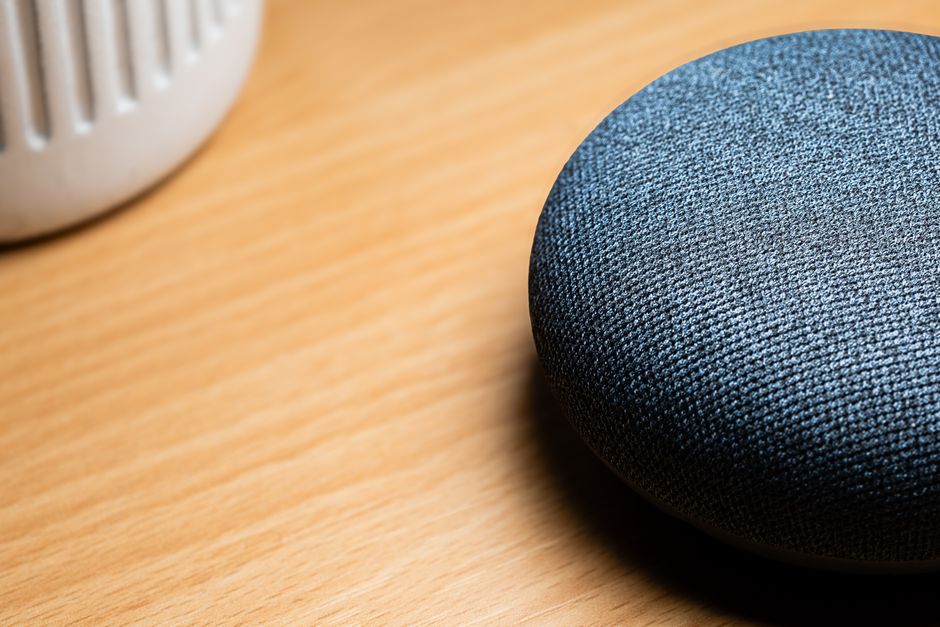
At the heart of every smart device lies an array of sensors, each designed to capture a specific type of information about our physical world and our interactions within it. These aren't just the obvious ones; many devices contain a surprising number of data-gathering components, some of which operate in ways that are far from intuitive. Take, for instance, the ubiquitous smart speaker. Its primary function relies on an array of microphones, often multiple, strategically placed to pick up sound from all directions. These microphones are not just listening for a wake word; they are often continuously buffering audio, processing it locally to detect the trigger phrase. While companies assert that non-wake-word audio is discarded, the very act of constant buffering means that snippets of our private conversations are being captured and analyzed, even if only momentarily. The potential for these snippets to be inadvertently or deliberately transmitted, or even misclassified, has been a recurring privacy nightmare for consumers and a significant area of concern for cybersecurity experts. Remember the instances where human contractors were found reviewing recordings from smart speakers? That’s not a bug; it’s often part of the training process for these AI systems, a chilling reminder that our private utterances can become data points for human ears.
Beyond microphones, many smart devices integrate cameras, transforming our living rooms into potential surveillance zones. Smart TVs, once just screens, now frequently feature embedded cameras for video calls, gesture control, or even facial recognition to personalize content. Smart home security cameras are overtly designed for surveillance, offering live feeds and motion detection, but their capabilities extend further with advanced AI. Many now boast facial recognition technology, capable of identifying individuals, and some can even differentiate between pets, packages, and people. While sold as a security enhancement, this also means these devices are creating a database of who enters and leaves your home, potentially linking faces to identities. Even seemingly simple devices like smart doorbells, which capture video and audio of everyone approaching your front door, contribute to this ever-expanding network of visual and auditory data. This constant visual feed, often stored on cloud servers, creates an immutable record of our comings and goings, a digital diary of our physical presence that can be accessed, analyzed, and potentially exploited by various entities.
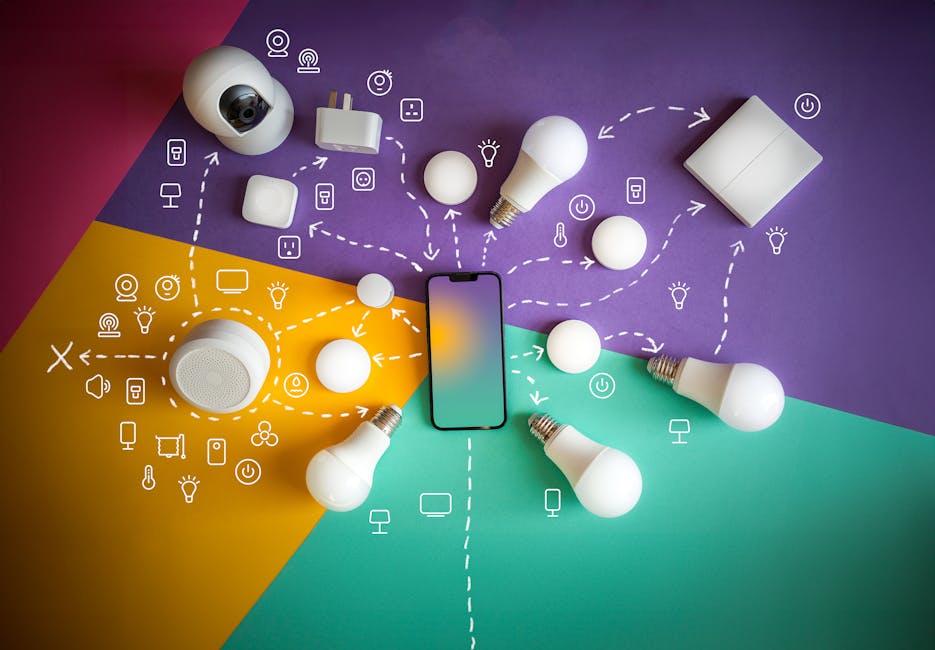
Then there are the less obvious, yet equally potent, data harvesters. Accelerometers and gyroscopes in smartphones and wearables track our movement, posture, and activity levels. GPS and Wi-Fi triangulation pinpoint our precise location, recording every commute, every errand, every visit. Proximity sensors detect when we’re near a device. Infrared sensors measure temperature. Even seemingly benign components like light sensors can contribute to a broader understanding of our environment and habits. For example, a smart light bulb might not just respond to commands; it could also contribute data about ambient light levels, occupancy, and even patterns of energy consumption, all of which can be correlated to infer presence and activity. Each of these sensors, individually, might seem innocuous, collecting only a small piece of the puzzle. But when their data streams are aggregated, combined, and fed into powerful AI algorithms, they collectively paint an astonishingly detailed and comprehensive picture of our daily lives, our physical health, our social interactions, and our most intimate habits. This aggregation is where the true power and peril of the AI Eye lie, turning disparate data points into a cohesive, predictive narrative about who we are.
The Algorithmic Brain Behind the AI Eye
The raw data captured by these myriad sensors would be overwhelming and largely meaningless without the sophisticated algorithmic brains that process it. Artificial intelligence and machine learning are the engines that transform a torrent of raw information—audio waves, pixel data, movement patterns, temperature readings—into actionable insights. These algorithms are designed to identify patterns, make predictions, and infer meaning from data that would be impossible for humans to process at scale. For instance, a smart speaker doesn't just record sound; its AI analyzes vocal patterns, distinguishes between different speakers, filters out background noise, and interprets natural language commands. It learns your voice, your preferences, and even your common phrases, constantly refining its understanding of you. This process is iterative; the more you interact with the device, the "smarter" its AI becomes, and the more nuanced its data collection and interpretation capabilities grow.
Consider the deep learning models employed in facial recognition and object detection within smart cameras. These models are trained on massive datasets of images and videos, allowing them to accurately identify faces, distinguish between humans and animals, and even recognize specific objects like packages or vehicles. This isn't just about identifying a face; it’s about linking that face to a known individual, often cross-referencing with other data sources to build a richer profile. Similarly, the AI in your smart TV doesn't just log what shows you watch; it analyzes *how* you watch—when you pause, rewind, fast-forward, or abandon a show entirely. It can infer your mood based on the genre of content you choose, or even detect if multiple people are watching and make assumptions about their demographics based on viewing habits. This analytical depth allows companies to move beyond simple demographics to highly granular psychographic profiling, understanding not just who you are, but what motivates you, what your interests are, and even what your emotional responses might be to certain stimuli.
"We are moving from a world where data is collected about us to a world where data is collected *from* us, where our very existence generates an incessant stream of information. The algorithms aren't just observing; they're learning, predicting, and subtly influencing our decisions, often without our conscious awareness. This shift fundamentally alters the power dynamic, placing immense control in the hands of those who design and deploy these AI systems." This observation from a hypothetical cybersecurity ethicist underscores the profound transformation occurring in our digital lives. The AI Eye isn't a passive observer; it's an active participant, shaping our digital realities through its continuous learning and predictive capabilities. It's a feedback loop where our data trains the AI, and the AI, in turn, influences our experiences, creating a self-reinforcing cycle that becomes increasingly difficult to opt out of.
The data harvested by these sensors and processed by AI algorithms is rarely confined to the device itself. Most smart devices are designed to be connected to the internet, constantly transmitting data to cloud servers operated by the device manufacturer, third-party service providers, and sometimes even data brokers. This cloud connectivity is essential for many of the "smart" features, enabling remote control, software updates, and the processing of complex AI tasks that require more computational power than the device itself possesses. However, it also means that our most intimate data is leaving our homes, traveling across networks, and being stored in data centers potentially halfway across the world. This journey introduces multiple points of vulnerability, from insecure transmission protocols to lax server security, making our data susceptible to interception, unauthorized access, and breaches. The promise of the cloud is boundless convenience; the reality is a centralized repository of our personal lives, managed by entities whose security practices and data retention policies may not always align with our privacy expectations. This constant transmission forms the backbone of the AI Eye's operational model, ensuring that the insights gleaned from our private spaces are always available to those who seek them.