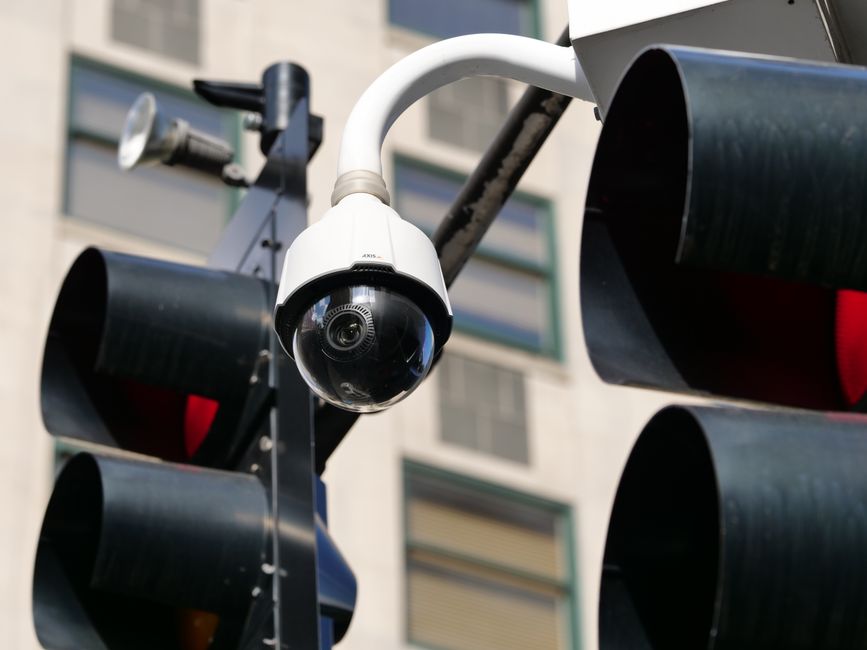
The Legal Labyrinth and Ethical Quandaries Who Is Protecting Us in the Data Deluge
As smart devices proliferate and artificial intelligence becomes increasingly sophisticated in its ability to collect, analyze, and infer from our personal data, the legal and ethical frameworks designed to protect individual privacy are struggling to keep pace. The current landscape is a patchwork of regulations, often reactive rather than proactive, leaving significant gaps and ambiguities that tech companies frequently exploit. It’s a classic David versus Goliath scenario, where individuals, armed with little more than a "terms and conditions" checkbox, are pitted against multinational corporations with vast legal teams and business models predicated on data extraction. The question of "who is protecting us" becomes increasingly urgent when our homes transform into open-source data mines, and our lives are meticulously documented by algorithms.
The inherent tension between innovation and privacy is at the heart of this challenge. Companies argue that extensive data collection is necessary to improve user experience, personalize services, and drive technological advancement. Privacy advocates, on the other hand, contend that these benefits should not come at the cost of fundamental human rights, including the right to privacy and self-determination. Navigating this complex terrain requires a critical examination of existing laws, an honest appraisal of corporate practices, and a robust ethical debate about the kind of digital society we wish to build. Without clear boundaries and meaningful enforcement, the AI privacy nightmare will only deepen, further eroding trust and empowering those who profit from our personal information.
The "Terms and Conditions" Trap The Illusion of Consent
One of the most pervasive and insidious mechanisms by which companies legitimize their data collection practices is through the ubiquitous "terms and conditions" agreement. These lengthy, often inscrutable documents, brimming with legal jargon and vague clauses, are presented as an unavoidable prerequisite for using virtually any smart device or online service. The reality, however, is that very few users genuinely read, let alone comprehend, these agreements. Studies consistently show that the vast majority of people simply click "I agree" to gain immediate access to the functionality they desire, effectively granting broad permissions for data collection and sharing without understanding the full implications.
This phenomenon, known as "consent fatigue," is actively exploited by companies. They bury critical details about data retention, sharing with third parties, and the use of AI for profiling deep within these documents, knowing that most users will never uncover them. The consent obtained through this process is, at best, dubious. Is it truly informed consent when the information is deliberately obscured and the alternative is to forgo the use of a device or service that has become integral to modern life? This legal loophole allows companies to operate in a gray area, claiming user agreement while simultaneously engaging in practices that many would find deeply uncomfortable or unacceptable if fully aware. It transforms a fundamental right—the right to control one's personal data—into a commodity traded for convenience, often without a fair exchange.
Patchwork Privacy Laws GDPR, CCPA, and Their Limitations
In response to growing public concern, several significant privacy regulations have emerged globally, most notably the European Union's General Data Protection Regulation (GDPR) and California's Consumer Privacy Act (CCPA). These laws represent crucial steps forward, granting individuals greater rights over their personal data, including the right to access, rectify, and delete their information, as well as the right to know how their data is being used and shared. GDPR, in particular, introduced stringent requirements for explicit consent, data minimization, and accountability, with hefty fines for non-compliance.
However, even these landmark regulations face significant challenges in the context of rapidly evolving AI and smart device technology:
- Scope and Enforcement: While GDPR has extraterritorial reach, applying to any company processing the data of EU citizens, enforcement can be complex and slow. The sheer volume of data being collected globally makes comprehensive oversight difficult.
- Definition of Personal Data: As AI becomes more adept at inferring sensitive information from seemingly anonymous or aggregated data, the definition of "personal data" itself is constantly being tested. What happens when an AI can deduce your health condition from your grocery list and smart scale data, even if that data isn't explicitly labeled as "health data"?
- The "Black Box" Problem: Many AI algorithms operate as black boxes, making it difficult to explain their decision-making processes. This poses a challenge to rights like "the right to explanation" under GDPR, as companies may struggle to articulate precisely how an AI arrived at a particular conclusion or categorization based on a user's data.
- Interoperability and Data Flow: The interconnected nature of smart devices means data often flows across multiple platforms, jurisdictions, and third-party services. Tracking and controlling this entire data lineage, even with strong regulations, remains incredibly complex for both individuals and regulators.
The United States, notably, lacks a comprehensive federal privacy law akin to GDPR, leaving a fragmented landscape where states like California have taken the lead. This patchwork approach creates inconsistencies and challenges for both consumers and businesses, highlighting the urgent need for a unified and robust legal framework that can effectively address the complexities of the AI-driven data economy.
"Privacy is not about having something to hide. It is about having something to protect. It is about control over who knows what about us, and what they do with that information." - Daniel J. Solove, Professor of Law.
This quote powerfully articulates the essence of the privacy debate: it's about agency and control. Without strong legal and ethical guardrails, the balance of power shifts dramatically towards corporations and algorithms, leaving individuals vulnerable to exploitation and manipulation. The current legal labyrinth, coupled with the ethical dilemmas posed by AI's capabilities, demands a more proactive and holistic approach to protecting fundamental rights in the digital age.
The Ethical Dilemma Convenience Versus Control
Beyond the legalities, the rise of AI and smart devices forces us to confront profound ethical questions about the kind of society we are building. How much convenience are we willing to trade for privacy? What are the long-term societal implications of pervasive surveillance, even if it's "consented" to? Who bears the responsibility when AI systems make biased decisions or when data breaches expose our most intimate details?
- Corporate Responsibility: Do tech companies have an ethical obligation to prioritize user privacy over profit, designing products with "privacy by design" principles from the outset? Or is their primary duty to shareholders, maximizing data extraction within the bounds of the law?
- Government's Role: What is the appropriate role of government in regulating this space? Should it be a heavy hand, potentially stifling innovation, or a lighter touch, risking further erosion of privacy? How do we balance national security concerns with individual liberties in an era of pervasive data?
- Individual Agency: In a world where opting out means foregoing essential services or desired conveniences, how much genuine agency do individuals truly have? Is it fair to place the burden of understanding complex data flows and adjusting intricate privacy settings entirely on the consumer?
These are not easy questions, and there are no simple answers. However, ignoring them, or simply allowing technological advancement to outpace ethical consideration, is a recipe for a future where individual autonomy is significantly diminished. The AI privacy nightmare is not just a technical problem; it is a fundamental challenge to our values, our rights, and the very definition of what it means to be a private individual in the 21st century. Engaging in this ethical debate, demanding transparency, and advocating for stronger protections are essential steps in shaping a more privacy-respecting digital future.