Understanding the intricate web of data collection and monetization is the first step, but knowledge alone is not enough. The pervasive nature of social media and the digital economy means that completely opting out is often impractical, if not impossible, for many. However, we are not entirely powerless in this digital landscape. By adopting a proactive and informed approach, we can significantly reduce our digital footprint, safeguard our privacy, and reclaim a degree of control over our personal information. It requires a shift in mindset, treating our data not as a free commodity to be given away, but as a valuable asset that deserves protection.
Reclaiming Your Digital Sovereignty One Setting at a Time
The idea of "digital sovereignty" might sound like a grand concept, but it boils down to asserting control over your own data and online identity. It’s about making conscious choices about what you share, with whom you share it, and under what conditions. This isn't just about tweaking a few privacy settings; it's about fundamentally re-evaluating your relationship with technology and the platforms that mediate so much of your daily life. It means understanding that convenience often comes at the cost of privacy, and deciding where your personal line in the sand lies. While it might seem daunting, taking small, consistent steps can lead to significant improvements in your overall online privacy posture.
Embracing digital sovereignty also means becoming a more discerning consumer of online services. Before signing up for a new app or platform, take a moment to consider its business model. If it's "free," how is it truly making money? Is it through advertising? Data sales? Or a combination? A quick search for reviews regarding its privacy practices can often reveal red flags. Remember, your personal information is valuable, and you have the right to decide who gets to profit from it. This proactive vigilance is crucial in an ecosystem designed to subtly extract as much data as possible from every interaction, turning your digital life into a perpetual data stream for others to tap into.
Fortifying Your Social Media Defenses with Strategic Adjustments
Many social media platforms do offer a bewildering array of privacy settings, often buried deep within menus and sub-menus. Navigating them can feel like a chore, but it's arguably the most impactful step you can take. Think of it as installing locks and alarms on your digital home. Here’s a basic, actionable guide to get you started:
- Review and Restrict App Permissions: Go into the settings of each social media app on your phone and tablet. Turn off permissions for things like location services, microphone, camera, and contacts unless absolutely essential for the app's core functionality. Many apps request these permissions purely for data collection.
- Audit Connected Third-Party Apps: Within your social media account settings (e.g., Facebook, Google, Twitter), find the section for "Apps and Websites" or "Connected Apps." Revoke access for any apps you no longer use or don't recognize. These third-party apps are often major conduits for data sharing.
- Adjust Ad Preferences and Data Sharing: Look for sections like "Ad Preferences," "Your Information," or "Off-Facebook Activity" (or equivalent on other platforms). Opt out of personalized ads and turn off data sharing with third-party advertisers wherever possible. While this won't stop all data collection, it can limit the extent of targeting.
- Strengthen Your Profile Privacy: Set your profile to "private" on platforms like Instagram and Twitter, meaning only approved followers can see your content. For Facebook, meticulously review who can see your posts, photos, and personal information, setting it to "Friends" or "Only Me" for sensitive details.
- Limit Location Sharing: Disable location tracking within the social media apps themselves and on your device's operating system for those apps. Be cautious about geotagging photos or checking into public places, as this creates a precise map of your movements.
- Use Strong, Unique Passwords and Two-Factor Authentication (2FA): This is fundamental cybersecurity advice, but it bears repeating. A strong password, combined with 2FA, acts as a robust barrier against unauthorized access to your accounts, protecting your valuable personal data.
Regularly revisiting these settings is paramount, as platforms frequently update their privacy policies and introduce new features that might inadvertently expose more of your data. Think of it as a periodic digital spring cleaning, ensuring your defenses are always up-to-date and robust. It's an ongoing commitment, not a one-time fix, but the peace of mind gained is immeasurable.
Beyond the Apps Thinking Differently About Your Online Presence
While configuring your social media settings is crucial, true digital sovereignty extends beyond the confines of individual platforms. It involves a broader shift in how you navigate the internet and interact with digital services. Consider these strategies:
- Embrace Privacy-Focused Browsers and Search Engines: Ditch Chrome and Google for alternatives like Brave Browser or Mozilla Firefox with enhanced tracking protection, and search engines like DuckDuckGo or Startpage. These tools are designed to minimize data collection and tracking as you browse the web.
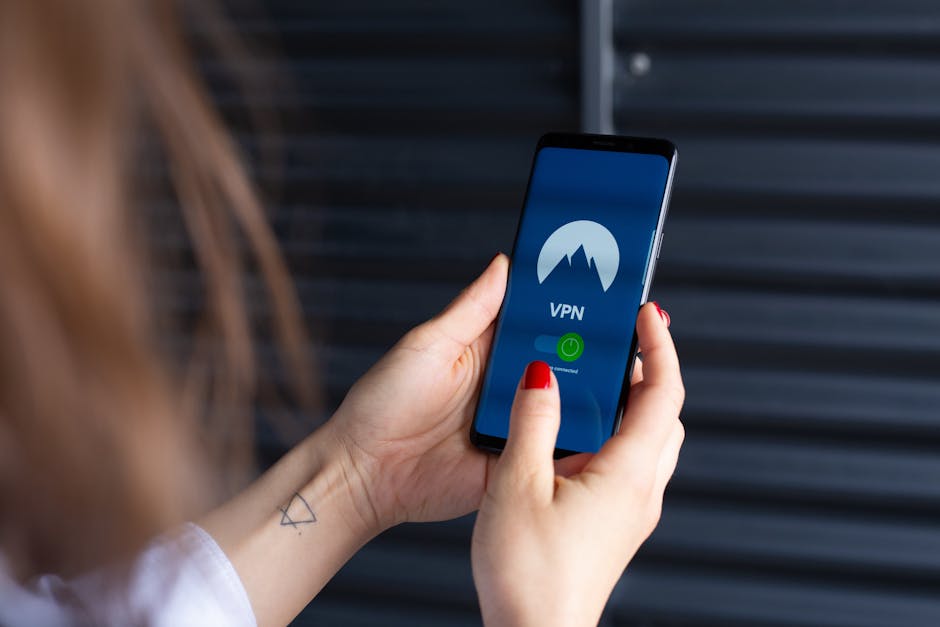
- Utilize a Reputable VPN (Virtual Private Network): As someone who reviews VPNs, I cannot stress this enough. A VPN encrypts your internet connection and masks your IP address, making it significantly harder for websites, advertisers, and even your ISP to track your online activities. It's an essential layer of privacy for anyone serious about protecting their data.
- Be Mindful of What You Share: Before posting anything online, pause and consider the potential implications. Does it reveal too much personal information? Could it be used out of context? Remember, once something is online, it's incredibly difficult, if not impossible, to truly delete it. The internet has a long memory, and data brokers have even longer archives.
- Consider Alternative Platforms: Explore social media alternatives that prioritize privacy and user control, often operating on open-source principles or subscription models rather than data monetization. While they might not have the same user base, they offer a more ethical and secure environment for digital interaction.
- Educate Yourself Continuously: The landscape of online privacy and cybersecurity is constantly evolving. Stay informed about new data collection techniques, privacy breaches, and emerging tools that can help protect your information. Knowledge truly is power in this ongoing battle for digital autonomy.
"Privacy is not something that I'm merely entitled to, it's an absolute prerequisite." - Edward Snowden. This sentiment perfectly encapsulates the importance of taking active steps to protect your digital life, recognizing that privacy isn't a luxury, but a fundamental right in the digital age.
Making these changes might feel inconvenient at first, requiring a conscious effort to break old habits. However, the long-term benefits of enhanced privacy, reduced exposure to manipulative advertising, and a greater sense of control over your digital identity far outweigh the initial effort. It’s about building a healthier, more intentional relationship with technology, one where you are the master of your data, not its unwitting servant.
The Power of the Privacy-Conscious Consumer and Collective Action
Ultimately, the power to shift the paradigm rests not just with individual actions, but with collective demand for greater privacy and ethical data practices. As consumers, our choices send signals to the market. By actively seeking out and supporting companies that prioritize privacy, by opting out of data-hungry services, and by advocating for stronger data protection regulations, we can collectively exert pressure on the industry to change its ways. This means engaging with policy discussions, supporting organizations that champion digital rights, and holding platforms accountable for their data practices.
The journey to reclaim our digital sovereignty is an ongoing one, filled with challenges and constant vigilance. But by understanding the dark side of social media's data economy and by taking deliberate, informed actions, we can move towards a future where technology serves humanity, rather than exploiting it. It’s about more than just personal data; it’s about the future of free thought, informed decision-making, and the very essence of what it means to be an autonomous individual in an increasingly interconnected world. The time to act, to protect what is inherently yours, is now.